 Skip to the content

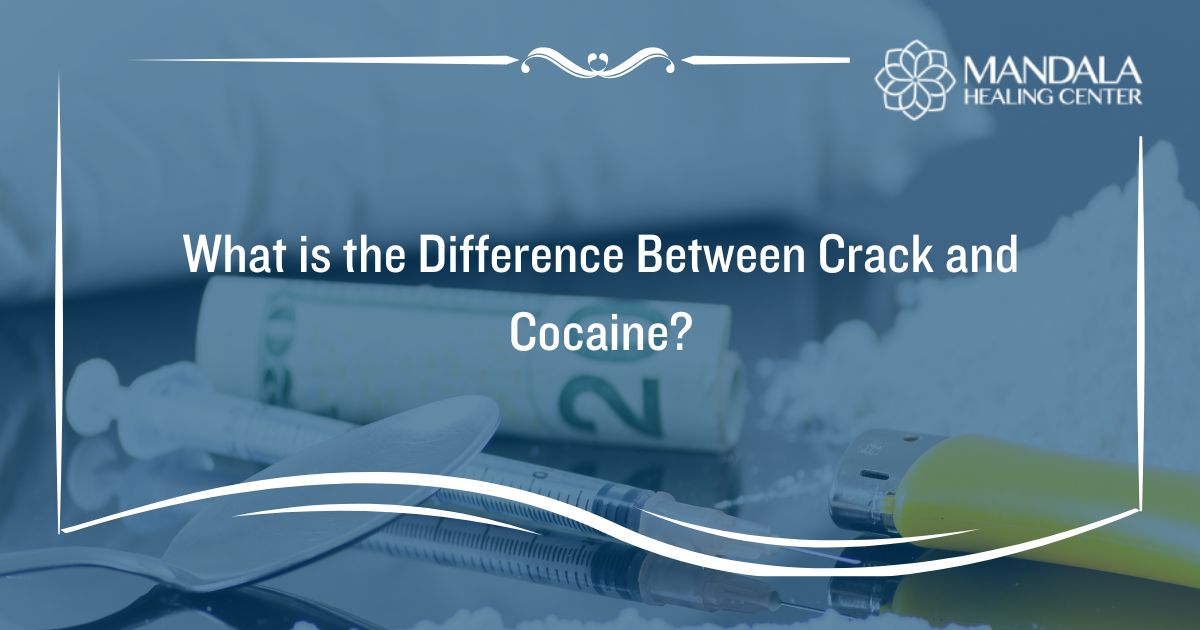
When it comes to drug abuse and addiction, understanding the substances involved is crucial for making informed decisions about treatment and recovery. One commonly misunderstood topic is the difference between crack and cocaine.
Though they come from the same drug—cocaine hydrochloride—their form, method of use, effects, and risks vary significantly. If you or someone you love is struggling with crack cocaine or cocaine addiction, learning about these two forms of the same substance can help lead to the right path toward healing.
Understanding the Source: The Coca Plant
Both crack and powder cocaine are derived from the coca plant, a shrub native to South America. Indigenous people have chewed coca leaves for centuries for their mild stimulant effects. However, the modern form of cocaine is far more potent and dangerous.
People use specific chemical processes to refine the coca leaves into cocaine hydrochloride. This is a powerful stimulant drug that affects the central nervous system.
Key Differences: Crack vs Cocaine
While both crack and cocaine come from the same substance, their chemical composition, appearance, usage, and effects differ in meaningful ways. Here are the key differences.
Form and Appearance
Powder cocaine (cocaine hydrochloride) is a fine white powder. Crack cocaine is processed with baking soda and water, then heated to form solid “rocks” that can be broken into smaller pieces.
Method of Use
Cocaine is typically snorted or injected. Snorting cocaine irritates the nasal tissues and can lead to a chronic runny nose and even nasal collapse.
Crack is typically smoked, which allows the drug rapidly to reach the brain. Smoking crack produces an intense high, often within seconds.
Intensity and Duration
Crack use results in a rapid onset of effects, with a short but intense high that lasts 5–10 minutes. Powder cocaine’s effects develop more slowly but last longer, typically 15–30 minutes when snorted.
Cost and Accessibility
Crack is often cheaper and sold in smaller quantities, making it more accessible in low-income areas. Powder cocaine is usually more expensive and associated with higher-income social circles.
Knowing the differences between crack and cocaine can help you identify use, seek resources, and find treatment to address abuse.
How Crack and Cocaine Affect the Brain
Both crack and cocaine hijack the brain’s reward system, leading to intense cravings and reinforcing compulsive use. They increase levels of dopamine, a chemical responsible for pleasure and motivation. Over time, this artificial stimulation alters brain function, leading to cocaine dependence.
Whether snorting powder cocaine, smoking crack, or injecting cocaine, the risk of severe addiction is real. Users often chase the high while ignoring the mounting physical, emotional, and mental health consequences.
[elementor-template id=”173075″]
Health Risks of Crack vs Cocaine
Both substances come with serious health risks, though some vary depending on the method of use. Here is a quick overview of the health risks of crack and cocaine use.
Crack use can lead to:
- Lung damage
- Respiratory infections
- Chronic cough
- Respiratory issues
- Violent behavior
- Severe psychological effects
Cocaine users who snort may suffer from:
- Chronic runny nose
- Nasal tissue damage
- Neurological damage
- Increased blood pressure
- Heart attacks and strokes
Both drugs raise the risk of mental health disorders, such as:
- Depression
- Anxiety
- Paranoia
- Hallucinations
Crack and cocaine are dangerous stimulant drugs with a high risk of addiction. If you or someone you love struggles with crack or cocaine abuse, seek treatment right away.
The Legal Consequences
Although crack and powder cocaine are chemically similar, the federal sentencing guidelines have historically punished crack cocaine offenses more severely. This led to widespread criticism and inequality in sentencing.
In 2010, the Fair Sentencing Act aimed to address this imbalance, reducing the sentencing disparity between crack and powder cocaine offenses. Still, legal consequences for both remain serious, and drug-related convictions can significantly hinder one’s future.
Why Are Crack and Cocaine So Addictive?
Crack and cocaine are both highly addictive because of the intense but short-lived high. The brain quickly adapts, requiring more of the drug to achieve the same effect.
This leads to:
- Severe cravings
- Withdrawal symptoms
- Compulsive drug use
Cocaine withdrawal can cause:
- Fatigue
- Depression
- Anxiety
- Sleep disturbances
- Suicidal thoughts
These symptoms make it difficult to stop without professional help. The cycle of use, crash, and craving is particularly dangerous, often leading to severe addiction.
Addiction Treatment Options
Facing cocaine addiction or crack addiction is daunting, but effective treatment options are available. Seeking help is the first and most crucial step.
Here is what to expect in an addiction treatment program.
Detox and Medical Supervision
The first phase in addiction treatment is often detox, where the body clears itself of the drug. This process should be medically supervised due to potential complications like depression or suicidal ideation during cocaine withdrawal.
Behavioral Therapies
Cognitive Behavioral Therapy (CBT) is one of the most effective treatments for crack and cocaine addiction. It helps clients:
- Identify triggers
- Develop coping strategies
- Prevent relapse
Other behavioral therapies include contingency management and motivational interviewing.
Dual Diagnosis Treatment
Because of the strong link between mental health and substance abuse, many clients benefit from dual diagnosis treatment. This approach addresses both addiction and co-occurring mental health disorders like anxiety or PTSD.
Support Groups
Ongoing peer support is vital. Groups like Narcotics Anonymous provide community, accountability, and shared experience.
The Recovery Process
Recovery from cocaine use is a journey, not a destination. It involves addressing physical cravings, psychological dependencies, and rebuilding one’s life with support and structure.
The recovery process often includes:
- Individual counseling
- Group therapy
- Family support
- Life skills development
- Aftercare and relapse prevention planning
Treatment isn’t one-size-fits-all. The most appropriate treatment plan will consider your specific history, health, and goals.
Taking the First Step: Getting Help
If you or a loved one is struggling with crack vs cocaine addiction, don’t wait. Reach out to a trusted addiction treatment provider. Many centers have an admissions team ready to guide you through the process and answer questions about insurance, timelines, and treatment programs.
Help is available, and recovery is possible. With professional care, community support, and a commitment to change, you can regain control and reclaim your life.
Find Treatment and Support Now
Crack cocaine and powder cocaine are both physically dangerous and psychologically addictive, but they are treatable. Through therapy, community, and evidence-based care, recovery is within reach.
If you or someone you love struggles with substance abuse or addiction, you are not alone. Find treatment, recovery resources, and support at the Mandala Healing Center. Learn about our holistic treatment approach, explore your treatment programs, or schedule an intake appointment by contacting our specialists today.
Frequently Asked Questions About Crack and Cocaine
1. Can you overdose on crack or cocaine the first time you use it?
Yes. Both crack and cocaine carry a high risk of overdose, even with first-time use. Because they are powerful stimulant drugs, they can cause dangerous spikes in heart rate, blood pressure, and body temperature, potentially leading to seizures, heart attack, or stroke. The risk is especially high when the purity or dose is unknown.
2. How is crack made from cocaine?
Crack is produced by mixing powder cocaine with baking soda and water, then heating it until it solidifies into “rocks.” This process removes the hydrochloride, allowing the drug to be smoked rather than snorted or injected. The result is a more potent form that acts faster in the body.
3. Is crack more addictive than powder cocaine?
Crack is often considered more addictive due to the intense and rapid high it produces when smoked. The effects come on quickly but fade fast, which can lead users to take repeated doses in short periods, increasing the risk of severe addiction. However, cocaine use in any form can lead to dependence and addiction over time.
4. Can someone recover from long-term crack or cocaine addiction?
Absolutely. Recovery is possible even after years of crack or cocaine use. While long-term use can cause serious mental and physical health damage, comprehensive treatment programs—including therapy, medical care, and support groups—can help individuals heal and lead healthy, fulfilling lives.
5. What should I do if a loved one is using crack or cocaine but refuses help?
Start by educating yourself on substance abuse and cocaine addiction. Approach your loved one with compassion, not judgment. Consider speaking with an addictions counselor or intervention specialist. Sometimes, involving a professional can help the person see the need for change and accept appropriate treatment.
6. Are there any medications approved to treat cocaine or crack addiction?
Currently, there are no FDA-approved medications specifically for crack or cocaine addiction. However, medications may be prescribed to manage withdrawal symptoms, mental health disorders, or co-occurring conditions. Behavioral therapies like Cognitive Behavioral Therapy (CBT) remain the gold standard in treatment.
Solutions
Learn more about cocaine addiction treatment.
Previous in this series: What is Pink Cocaine · Next: What to Expect From a Cocaine Addiction Treatment Center in Florida


-

How to Get Into Rehab Quickly in Florida
September 30, 2026
-

Can You Go to Rehab Without Detoxing First?
September 24, 2026
-
Can You Become Addicted to Alcohol Without Drinking Every Day?
September 19, 2026
-

Inpatient vs. Outpatient Rehab: Which One Is Right for You?
September 14, 2026
-

What to Look for in an Addiction Treatment Center in West Palm Beach
September 9, 2026