
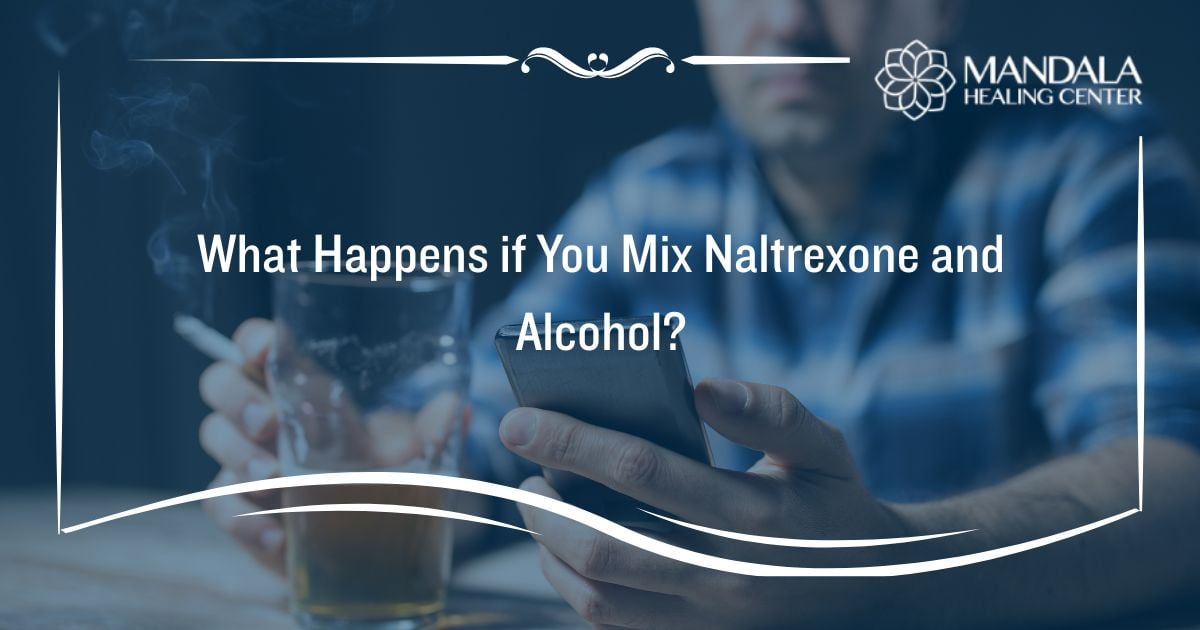
For those seeking to overcome alcohol dependence, naltrexone treatment has become a well-known and trusted option. But what happens if you drink alcohol while taking naltrexone? Understanding the interaction between naltrexone and alcohol is essential—not just for those in recovery, but also for their families, healthcare providers, and support systems.
This article will walk you through how naltrexone works, what to expect if you combine naltrexone with alcohol, and how it fits into the broader journey of treating alcohol dependence.
Understanding Naltrexone: Blocking the High
Naltrexone is part of a class of medications known as opioid antagonists. It works by blocking opioid receptors in the brain—specifically the ones that create pleasurable effects when someone uses alcohol or opioid drugs.
Originally developed to treat opioid dependence, naltrexone use has expanded to address alcohol use disorders. It can be prescribed in two forms:
- Oral naltrexone (daily tablets)
- Intramuscular naltrexone (a monthly injection)
By blocking opioid receptors, naltrexone makes it challenging to feel the “buzz” or “high” from drinking. This dulls the reward system, helping to reduce alcohol cravings and supporting those who want to stop drinking.
Can You Drink Alcohol While Taking Naltrexone?
Technically, yes—you can drink alcohol while on naltrexone. However, the results are not what many people expect.
When someone tries to drink alcohol while on naltrexone, they usually find that the effects of alcohol—such as euphoria, relaxation, or pleasure—are significantly reduced or eliminated. That’s because the medicine is actively blocking opioid receptors, stopping the brain from releasing feel-good chemicals like dopamine.
This experience can be confusing and even disheartening. Some may attempt heavy drinking to “override” the naltrexone treatment. However, this often leads to serious problems, including:
- Liver damage, especially in those with pre-existing conditions
- Increased alcohol consumption without the desired effects
- Risk of depression, mood swings, or emotional distress
- Poor decision-making due to frustration or confusion
So while taking naltrexone does not cause an immediate, dangerous reaction like disulfiram (Antabuse) might, it removes the incentive to drink by removing the pleasurable effects of alcohol.
Why Do People Drink on Naltrexone?
There are several reasons someone might continue to drink alcohol while taking naltrexone. These include:
- Testing the medication – Wanting to see if the “high” is really gone.
- Emotional relapse – Using alcohol to cope with stress, grief, or trauma.
- Unrealistic expectations – Believing the medication will do all the work.
- Lack of support – Not having access to therapy, community, or mental health services administration resources.
This is why naltrexone use should always be part of a broader treatment plan that includes counseling, support groups, and medical supervision.
[elementor-template id=”173075″]
What Are the Risks of Combining Naltrexone and Alcohol?
While naltrexone and alcohol do not cause a chemically dangerous reaction when mixed, the potential risks are still significant.
Here is an overview of the potential complications of mixing naltrexone and alcohol.
Liver Disease
Naltrexone is processed by the liver, and so is alcohol. Taking both can increase strain on this vital organ, leading to liver damage over time. People with chronic pain or existing liver issues must be carefully monitored.
Worsening Mental Health
Mental health symptoms may worsen, especially if someone expects to feel good after drinking and doesn’t. They may experience depression, trouble sleeping, or mood swings—especially in the first week of starting naltrexone.
Increased Consumption
Some individuals may try to drink more to overcome the blocked opioid receptors, which only leads to heavier drinking without reward. This increases the risk of alcohol poisoning, accidents, and relapse.
Decreased Response Time
Even though the “buzz” is gone, motor coordination and reaction time can still be impaired. This makes it dangerous to operate machinery or drive, even if the drinker doesn’t feel intoxicated.
What Does Naltrexone Feel Like?
When starting naltrexone, many people report:
- Fewer alcohol cravings
- Mild nausea or headaches
- Feelings of emotional numbness
- A general disinterest in drinking
These are not signs of failure—they’re signs that the medicine is working.
However, every person responds differently. Some individuals may require higher doses, while others may see results more quickly. That’s why working with a healthcare provider is critical when managing naltrexone treatment.
Can You Take Opioids While on Naltrexone?
The interaction between naltrexone and other drugs is a critical concern–particularly opioids. Some common opioid drugs include:
- Heroin
- Opioid painkillers (like oxycodone or hydrocodone)
- Prescription medications for chronic pain
Because naltrexone is an opioid antagonist, it will cause opioid withdrawal if taken too soon after using opioid drugs. This can lead to dangerous withdrawal symptoms like vomiting, sweating, cramps, and anxiety.
To avoid this, a naloxone challenge test is sometimes used to ensure there are no opioids in the system before starting naltrexone.
Is Naltrexone Safe for Everyone?
Some people wonder if naltrexone is universally safe. The short answer is: Not necessarily. Naltrexone may not be safe for individuals who:
- Have advanced liver disease
- Are currently using opioids
- Are pregnant or breastfeeding
- Have serious mental health disorders without support
People with physical dependence on alcohol or opioids should detox under supervision before starting the medication. Alcohol withdrawal and opioid withdrawal can be life-threatening if not treated properly.
How Effective Is Naltrexone?
According to the National Institute on Alcohol Abuse and Alcoholism, naltrexone has shown consistent results in reducing alcohol cravings and preventing relapse.
An analysis of multiple clinical studies found that individuals using naltrexone treatment had significantly slowed rates of relapse, especially when combined with therapy and behavioral support.
What’s the Best Way to Use Naltrexone?
Success with naltrexone depends on several key factors. Here are some factors that contribute to the success of naltrexone treatment.
Commitment to Quit Drinking
Naltrexone helps people quit drinking, but it doesn’t do the work for them. A person must be ready to stop or at least reduce alcohol intake for the treatment to be successful.
Support Systems
A strong recovery network—including counseling, peer support, and access to mental health services administration—makes a huge difference.
Medical Supervision
Working with a doctor ensures that the dosage is correct, side effects are monitored, and liver function is protected.
What If You Slip Up?
If someone relapses and drinks while on naltrexone, it’s not the end of the road.
Because the effects of alcohol are blunted, the cravings may decrease over time. More importantly, each experience offers a learning opportunity. Relapse is part of many people’s journey out of substance abuse—not a sign of failure.
Find Naltrexone Treatment
Naltrexone and alcohol don’t mix in the same way alcohol mixes with other medications. Rather than causing immediate illness, naltrexone changes how the brain reacts to drinking—making it less rewarding, less satisfying, and ultimately less tempting.
If you or someone you love is considering naltrexone treatment for alcohol use, speak with a trusted healthcare provider. With the right support, many people can stop drinking, reclaim their health, and rebuild their lives.
If you’re ready to take the first step in your recovery journey, know that help is available at the Mandala Healing Center. Reach out to our specialists to learn more about our holistic treatment programs or to schedule an intake appointment.
Frequently Asked Questions (FAQ) About Naltrexone
1. Is it dangerous to suddenly stop taking naltrexone?
No, naltrexone does not cause physical dependence, so stopping it suddenly does not typically result in withdrawal symptoms. However, discontinuing it without a plan may increase the risk of relapse, especially if cravings return. Always consult your healthcare provider before stopping naltrexone treatment.
2. Can I take naltrexone if I’m still drinking regularly?
Yes, naltrexone can be started even if you’re still drinking, but its primary benefit comes from reducing the desire to drink over time. For best results, it should be used as part of a treatment plan that includes a commitment to reduce or quit drinking, along with therapy or support services.
3. Does naltrexone help with binge drinking or occasional heavy drinking?
Yes, studies suggest that naltrexone can help reduce the frequency and intensity of binge drinking episodes. It may be particularly effective for individuals who don’t drink every day but have difficulty controlling their alcohol intake once they start.
4. What happens if I take opioids after stopping naltrexone?
If you’ve recently stopped naltrexone, your body may be more sensitive to opioid drugs than before. This lowered tolerance can lead to accidental overdose, especially if you return to your previous dose of opioid painkillers or substances like heroin. It’s critical to consult a doctor before using any opioid after naltrexone use.
5. Can naltrexone be used alongside antidepressants or anxiety medications?
In many cases, yes. Naltrexone does not typically interact negatively with most antidepressants or anti-anxiety medications. However, your doctor should review your full medication list to monitor for any serious problems or rare side effects, especially related to mood or liver function.
6. How long should I stay on naltrexone treatment?
Treatment duration varies based on individual goals and progress. Some people take naltrexone for a few months, while others benefit from longer-term use. Your healthcare provider will help determine the best timeline based on your history, alcohol use, and response to the medication.
Sources
-

How Long Does Buprenorphine Stay in Your System?
May 19, 2026
-
How Much Does a Detox Program in West Palm Beach Cost?
April 28, 2026
-
How Long Do South Florida Rehab Programs Typically Last?
April 21, 2026
-
What Does Freebasing Mean?
April 13, 2026
-
How to Get Florida Medicaid to Pay for Drug & Alcohol Rehab Services
April 10, 2026