 Skip to the content

If drinking has moved past your control, you do not have to stop alone. Our alcohol addiction treatment program in West Palm Beach pairs medical detox with residential care.
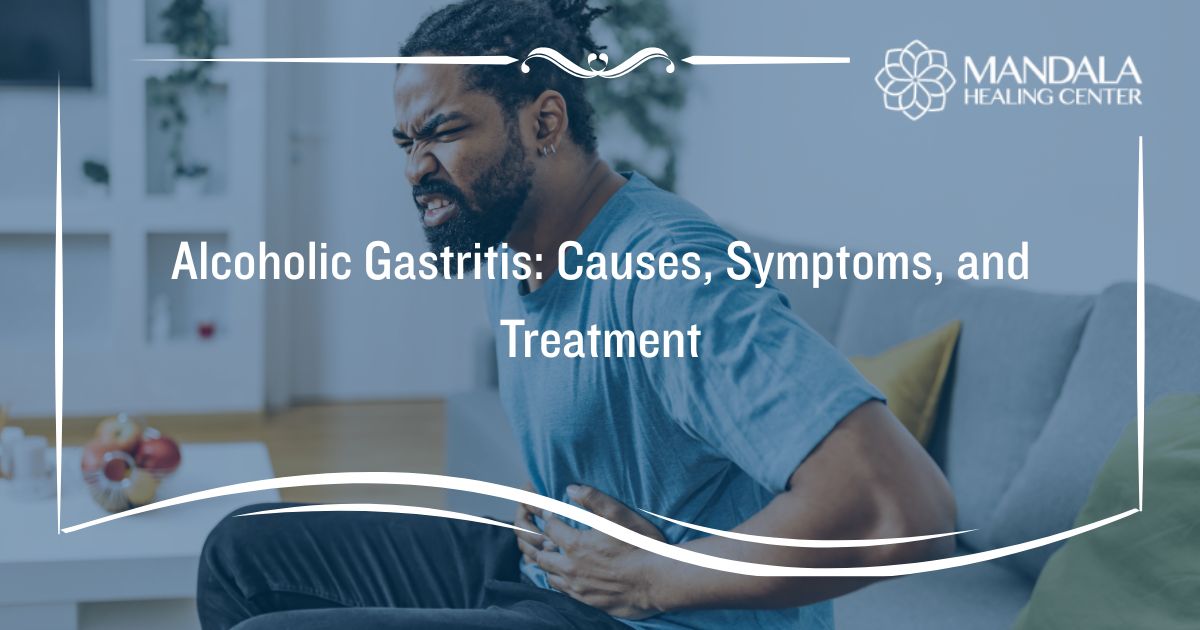
Alcoholic gastritis is a painful and potentially dangerous condition that affects the stomach lining as a result of excessive alcohol consumption. It can lead to inflammation of the stomach, ulcers, and in severe cases, gastrointestinal bleeding or even stomach cancer if left untreated.
As alcohol continues to be widely consumed—often in excessive amounts—understanding alcoholic gastritis, its symptoms, causes, and treatment options is more relevant than ever.
What is Alcoholic Gastritis?
Alcoholic gastritis is a form of gastritis—an inflammation or erosion of the stomach lining—caused by the irritating effects of alcohol. Unlike other types of gastritis caused by bacterial infections (like Helicobacter pylori or pylori infection) or autoimmune disorders, alcoholic gastritis is directly linked to alcohol use.
When you drink, alcohol passes through your digestive system and comes into direct contact with the stomach lining. Over time, especially with heavy drinking, alcohol damages this protective layer, leaving the stomach lining vulnerable to stomach acid, which can trigger inflammation, peptic ulcers, and internal bleeding.
Causes of Alcoholic Gastritis
The primary cause is prolonged alcohol abuse, which irritates the stomach lining. But several contributing factors can exacerbate or accelerate the development of alcoholic gastritis:[1]
- Binge drinking or heavy alcohol use
- Combining alcohol with nonsteroidal anti-inflammatory drugs (NSAIDs) like ibuprofen
- Eating acidic foods or spicy foods
- High caffeine intake
- Smoking
- Stress and poor diet
- Co-existing health issues like autoimmune disorders
Regular alcohol intake weakens the stomach’s natural defense mechanisms, increases stomach acid production, and triggers a chronic immune response that leads to chronic irritation and inflammation.
Types of Gastritis Related to Alcohol Use
1. Acute Gastritis
Acute gastritis has a sudden onset and is caused by binge drinking or high-volume alcohol use over a short period. The symptoms may appear quickly and intensely.
2. Chronic Gastritis
Chronic gastritis is characterized by long-term inflammation from repeated alcohol exposure. This type is more difficult to diagnose, but it leads to chronic inflammation, stomach ulcers, and even stomach tumors in severe cases.
[elementor-template id=”173075″]
Symptoms of Alcoholic Gastritis
The symptoms of alcoholic gastritis can vary in intensity depending on the severity and duration of alcohol use. Common symptoms include:[2]
- Persistent abdominal pain or severe stomach cramping
- A burning ache in the stomach, especially between meals
- Nausea and vomiting
- Loss of appetite
- Acid reflux or gastroesophageal reflux disease (GERD)
- Vomiting blood or material that looks like coffee grounds (a sign of internal bleeding)
- Dark, tarry stools (from GI bleeding)
- Severe pain in the upper abdomen
- Bloating and indigestion
In chronic gastritis, symptoms may be milder but persistent. If left untreated, this can lead to more severe symptoms and life-threatening complications, including stomach cancer.
Diagnosis of Alcoholic Gastritis
Proper diagnosis is essential to differentiate alcoholic gastritis from other gastrointestinal tract conditions. Doctors may use the following tools:
- Physical examination and symptom history, including alcohol consumption
- Blood tests to detect anemia, low red blood cells, or infection
- Endoscopy to visualize the stomach lining and detect ulcers or inflammation
- Stool tests to identify gastrointestinal bleeding
- Biopsy during endoscopy if cancer or serious damage is suspected
Once alcoholic gastritis is diagnosed, a treatment plan will be created. While there are a lot of steps to addressing this condition, quitting alcohol use is vital. Thankfully, you can receive support from a medical detox and alcoholism treatment center.
Treatment for Alcoholic Gastritis
1. Immediate Steps: Stop Drinking Alcohol
The first and most critical step in alcoholic gastritis treatment is to stop drinking alcohol. Continued alcohol use will worsen the inflammation and delay healing. For individuals struggling with alcohol addiction, medically supervised alcohol addiction treatment may be necessary.
Medical detox can help manage alcohol withdrawal symptoms. Long-term treatment for alcohol use disorder may involve therapy, medication, and support groups
2. Medications
Alcoholic gastritis is controlled with medications, including:
- Proton pump inhibitors (PPIs): Reduce stomach acid to allow the lining to heal
- H2 blockers: Another class of acid reducers
- Antacids: Provide quick relief by neutralizing stomach acid
- Antibiotics: If H. pylori infection is present
- Cytoprotective agents: Help protect the stomach lining from acid damage
These medications can reduce stomach acid, ease symptoms, and support healing of the stomach and digestive system.
3. Dietary and Lifestyle Changes
Some dietary and lifestyle changes are necessary to control alcoholic gastritis. You should:
- Avoid acidic, spicy foods, and caffeine
- Eat smaller, more frequent meals
- Avoid NSAIDs and anti-inflammatory drugs
- Quit smoking
- Hydrate well and prioritize a balanced diet
Long-Term Risks and Complications
When alcoholic gastritis goes untreated, it can lead to severe outcomes:
- Peptic ulcers: Deep sores in the stomach wall
- GI bleeding: From ulcers or damaged esophageal blood vessels
- Stomach cancer: Chronic irritation increases cancer risk
- Anemia: Due to internal bleeding
- Severe complications: Involving the abdominal cavity or spreading infection
In severe cases, patients may require hospitalization for blood transfusions, IV fluids, or surgical intervention.
Alcohol Addiction and Gastritis
There is a direct relationship between alcohol use disorder and gastritis. Many people with alcohol-induced gastritis struggle with alcohol addiction, making long-term recovery dependent on addressing the root cause.
A comprehensive approach to alcohol addiction treatment may include:
- Medical detox
- Inpatient rehab
- Outpatient therapy
- Medication-assisted treatment (MAT)
- Support groups like AA (Alcoholics Anonymous)
Stopping drinking alcohol not only helps heal the stomach but also prevents recurrence and other alcohol-related diseases, including liver damage, pancreatitis, and mental health disorders.
When to See a Doctor
If you experience persistent stomach pain, nausea, or vomiting blood, seek medical attention immediately. These may signal severe complications of alcoholic gastritis or other serious gastrointestinal conditions.
Even in mild cases, chronic gastritis symptoms should not be ignored, especially if you’re consuming too much alcohol or using NSAIDs regularly.
Get Connected to Treatment for Alcohol Use Disorder
Alcoholic gastritis is both preventable and treatable. If you or someone you know is suffering from alcohol abuse, recognizing the signs of stomach irritation and seeking help early can prevent life-threatening complications.
Effective treatment combines alcohol cessation, medical intervention, and long-term addiction support. Protecting your stomach lining starts with understanding the risks of alcohol consumption and making informed decisions for your health.
If you suffer from alcoholism, the Mandala Healing Center is here to help you. We offer evidence-based treatments to ensure you can develop the skills you need to quit alcohol once and for all. Contact us today for more information on how our program works.
Frequently Asked Questions (FAQs)
1. Can alcoholic gastritis go away on its own if I stop drinking?
In some mild cases, stopping alcohol consumption may allow the stomach lining to begin healing naturally. However, without medical evaluation and treatment, there’s a risk that the condition could persist or progress. Healing also depends on how long and how heavily a person has been drinking. Always consult a healthcare provider to ensure proper recovery.
2. Is alcoholic gastritis reversible?
Yes, alcoholic gastritis can often be reversed, especially in early stages. With complete abstinence from alcohol, appropriate medication, and dietary changes, the stomach lining can regenerate. However, long-term or repeated damage may cause permanent changes, such as scarring or an increased risk of ulcers and cancer.
3. How long does it take for the stomach lining to heal after quitting alcohol?
Healing time varies depending on the severity of the gastritis and individual health factors. Mild gastritis may begin to improve within a few days to weeks after stopping alcohol. More severe or chronic cases could take several months and may require ongoing medical management.
4. Can alcoholic gastritis cause anxiety or mood changes?
Yes, chronic gastrointestinal inflammation, discomfort, and alcohol withdrawal can all contribute to mood disturbances. The gut and brain are closely linked via the gut-brain axis, and ongoing stomach issues can exacerbate stress, anxiety, and even depression. Treating both the physical and psychological aspects is important for full recovery.
5. Are there non-alcohol-related causes that make alcoholic gastritis worse?
Yes. Certain behaviors and conditions can worsen the effects of alcoholic gastritis, including poor diet, chronic stress, smoking, high caffeine intake, and the use of NSAIDs. These factors can further irritate the stomach lining and slow healing, even after alcohol use has stopped.
6. Can you drink alcohol again after recovering from alcoholic gastritis?
It’s strongly advised not to return to alcohol consumption after recovering. Even small amounts can re-irritate the stomach and restart the inflammatory cycle. For individuals with a history of alcoholic gastritis or alcohol use disorder, long-term or permanent abstinence is often the safest path forward.
References:
- The National Library of Medicine (NLM): Amelioration of alcohol-induced gastric mucosa damage by oral administration of food-polydeoxyribonucleotides
- Science Direct: Alcoholic Gastritis
Previous in this series: Potential Complications of Alcohol Withdrawal · Next in this series: Beacon Health Insurance Coverage for Drug and Alcohol Rehab
Previous in this series: Alcohol Withdrawal Complications · Next: Anxiety and Alcoholism



-

Does Insurance Cover Drug and Alcohol Rehab in Florida?
October 13, 2026
-

Signs Your Drinking May Be Becoming a Problem
October 8, 2026
-

How to Get Into Rehab Quickly in Florida
September 30, 2026
-

Can You Go to Rehab Without Detoxing First?
September 24, 2026
-

Can You Become Addicted to Alcohol Without Drinking Every Day?
September 19, 2026