 Skip to the content

In recent years, a product commonly referred to as “Galaxy Gas” has gained attention across social media platforms, smoke shops, and online marketplaces. While it may appear to be a harmless novelty item, the reality is more complicated. Galaxy Gas is closely linked to nitrous oxide, a chemical compound widely used in medical procedures and the food industry. When used improperly—especially by inhaling nitrous oxide gas for recreational effects—it can lead to serious health risks.
This article explains what Galaxy Gas is, how it relates to nitrous oxide products, why it has become a dangerous trend among young adults and young people, and the associated risks.
What Is Galaxy Gas?
“Galaxy Gas” is a commercial brand name often associated with nitrous oxide gas sold in gas canisters designed for whipped cream dispensers. Nitrous oxide is a colorless, non-flammable gas that has legitimate uses in both culinary and medical settings. However, it has increasingly been marketed in ways that make it appealing for recreational use.
Nitrous oxide is commonly known as laughing gas. In medical and dental settings, it has long been used for pain management and sedation during medical procedures. According to the National Institute on Drug Abuse, nitrous oxide works by slowing activity in the central nervous system, producing mild sedation and euphoric effects.
In legitimate contexts, nitrous oxide products are tightly controlled and administered by trained professionals. In contrast, Galaxy Gas and similar products are often sold in large gas canisters or whipped-cream chargers, which can be easily misused.
The Legitimate Uses of Nitrous Oxide
To understand why Galaxy Gas exists, it helps first to understand the legitimate use of nitrous oxide.
Medical and Dental Applications
Nitrous oxide has been safely used for over a century in medical and dental settings. Dentists frequently administer controlled doses during procedures because the gas helps reduce anxiety and pain. In hospitals, it may also be used during certain medical procedures.
When used correctly in medical and dental settings, the gas is mixed with oxygen to ensure that patients receive enough oxygen to reach the brain and other organs.
Culinary and Food Industry Uses
Nitrous oxide also plays an important role in the food industry. It is commonly used in whipped cream dispensers to aerate cream, producing the light, airy texture of whipped cream.
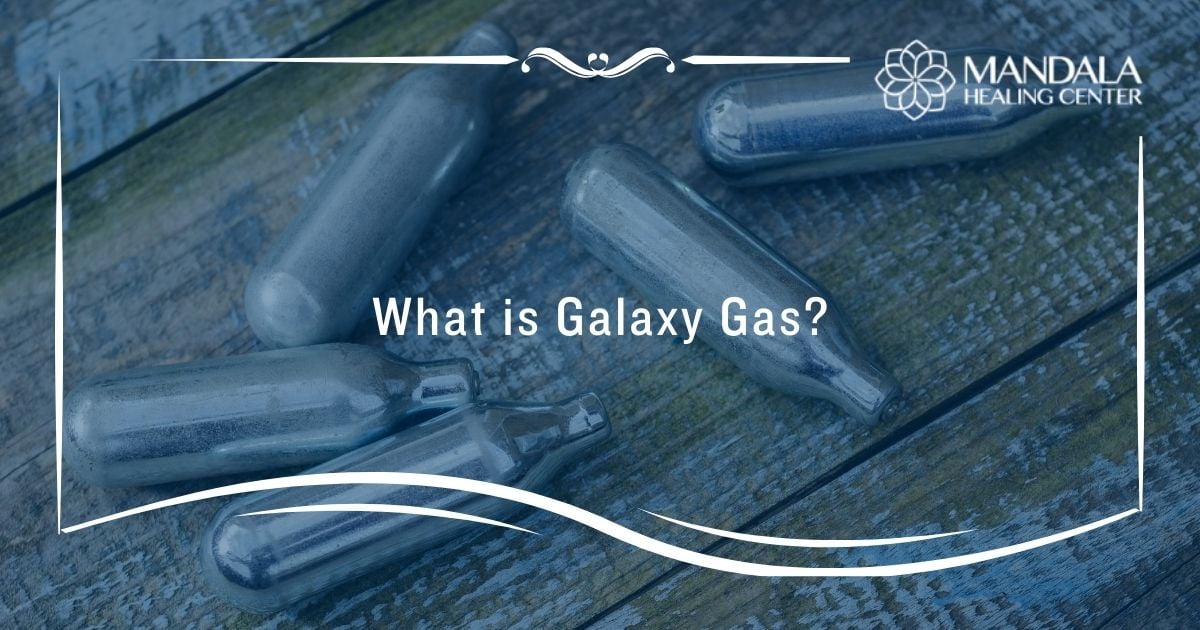
Small steel cylinders called whipped cream canisters or whipped cream chargers contain pressurized nitrous oxide gas. When inserted into whipped cream dispensers, the gas dissolves into the cream, creating the familiar foam used in desserts.
Nitrous oxide is approved for this culinary use and is considered safe when used as intended in food preparation.
Why Galaxy Gas Is Becoming a Dangerous Trend
Although nitrous oxide has legitimate purposes, products like Galaxy Gas have become increasingly popular in party settings and among young adults. Social media trends have amplified awareness of these products, often portraying them as harmless fun.
Many videos circulating on social media platforms show individuals inhaling nitrous oxide from balloons or directly from gas canisters to achieve brief euphoric effects.
This recreational use can quickly become nitrous oxide misuse or nitrous oxide abuse.
Several factors contribute to the spread of this trend:
- Nitrous oxide is easily accessible in smoke shops and online.
- Products can be purchased online with minimal oversight.
- Large tanks marketed as Galaxy Gas contain far more gas than standard whipped cream chargers.
- Social media trends often downplay the associated risks.
Because the gas is legal for culinary use, it is often nitrous oxide sold in ways that blur the line between legitimate use and inhalant abuse.
How People Abuse Galaxy Gas
People who are abusing Galaxy Gas typically inhale the gas through balloons, masks, or directly from dispensers. This process is known as inhaling nitrous oxide gas.
When individuals inhale repeatedly, the gas enters the lungs and rapidly affects the brain. The euphoric effects can include:[1]
- Lightheadedness
- Relaxation
- Altered perception
- Temporary feelings of euphoria
However, these effects usually last less than a minute. Because the high is short-lived, some individuals begin to inhale repeatedly in the same way multiple times in one session.
This pattern increases the likelihood of habitual use, substance use, and eventually substance abuse.
The Immediate Health Risks
While nitrous oxide may seem harmless, misusing nitrous oxide can cause significant harm. One of the primary dangers involves oxygen deprivation.
When someone inhales pure nitrous oxide without oxygen, the body may not receive enough oxygen, reaching vital organs. This can result in severe complications.
Short-term health risks include:
- Dizziness
- Confusion
- Headaches
- Loss of consciousness
- Abnormal blood pressure
- Fainting
In extreme cases, nitrous oxide can lead to respiratory failure, sudden death, or even death.
According to the Centers for Disease Control and Prevention, inhalant abuse—including nitrous oxide misuse—has been associated with fatal accidents and sudden cardiac complications.[2]
Long-Term Health Consequences
The more concerning risks appear with repeated use and chronic exposure.
Frequent inhalation interferes with the body’s ability to use vitamin B12, a nutrient essential for nerve health and blood cell production.
Vitamin B12 Deficiency
Repeated exposure to nitrous oxide can cause vitamin B12 deficiency, which may lead to:[3]
- Nerve damage
- Numbness in the hands and feet
- Difficulty walking
- Problems with balance
In severe cases, B12 deficiency can damage the spinal cord and the broader nervous system.
Research published by the National Institutes of Health has linked heavy nitrous oxide abuse to neurological complications and irreversible nerve injury.
Brain and Nervous System Damage
Long-term misuse can also lead to:[4]
- Permanent brain damage
- Impaired memory and cognition
- Difficulty concentrating
- Emotional instability
These conditions occur because prolonged oxygen deprivation and nutrient deficiency harm the central nervous system.
Other Serious Health Problems
Other potential complications include:[2]
- Heart rhythm abnormalities
- Weakened immune function
- Chronic fatigue
- Nerve damage affecting mobility
In extreme cases, severe neurological damage may require hospitalization and long-term rehabilitation.
Psychological Dependency and Addiction
A common question is whether abusing Galaxy Gas can lead to addiction.
Nitrous oxide does not typically produce the same chemical dependence as opioids or alcohol. However, psychological dependency is possible.
Some individuals use nitrous oxide repeatedly to escape emotional pain or stress. Over time, habitual use may form patterns similar to other substance abuse disorders.
Signs of dependency may include:
- Frequent cravings for the euphoric effects
- Repeated use despite serious health risks
- Using the substance in risky environments
- Mixing nitrous oxide with other substances
When this occurs, professional help such as medical detox and substance use treatment may be necessary.
The Growing Concern Among Young People
Public health experts are particularly concerned about the popularity of Galaxy Gas among young people and young adults.
Several factors make this group more vulnerable:
- Strong influence from social media trends
- Easy access through smoke shops
- Perception that the gas is harmless
- Lack of awareness about long-term risks
The dangerous trend is spreading quickly in online communities where users share videos of inhaling nitrous oxide for entertainment.
Unfortunately, these videos rarely mention the severe health consequences, including brain damage, respiratory failure, or sudden death.
Legal Status and Age Restrictions
Nitrous oxide itself is not illegal in most jurisdictions because it has legitimate medical and culinary uses.
However, many states and countries have introduced age restrictions or regulations regarding sales.
These laws often prohibit retailers from knowingly selling nitrous oxide for recreational inhalation. Despite these efforts, enforcement remains difficult because the products can still be marketed for culinary use.
This gray area allows large tanks marketed as Galaxy Gas to remain widely easily accessible.
Comparing Nitrous Oxide to Other Inhalants
Nitrous oxide falls into a broader category of substances known as inhalants.
Other inhalant drugs include:
- Aerosol sprays
- Solvents
- Gasoline fumes
- Certain cleaning products
Although nitrous oxide is sometimes perceived as safer than other inhalants, misuse can produce equally dangerous outcomes.
Like other inhalants, inhaling nitrous oxide gas deprives the brain of oxygen and disrupts normal nervous system function.
Recognizing the Warning Signs of Abuse
Early identification of nitrous oxide abuse can help prevent severe health consequences.
Warning signs may include:
- Frequent possession of gas canisters or whipped cream chargers
- Balloons or dispensers are used to inhale gas
- Confusion or memory problems
- Numbness in the limbs
- Difficulty walking or maintaining balance
When these symptoms appear alongside repeated inhalation, medical evaluation is strongly recommended.
Treatment for Nitrous Oxide Abuse
Treatment for individuals misusing nitrous oxide typically focuses on both medical stabilization and behavioral support.
Doctors may treat vitamin B12 deficiency with supplements or injections. In severe cases, neurological rehabilitation may be required to address nerve damage affecting the spinal cord or nervous system.
Behavioral treatment can include:
- Substance abuse counseling
- Mental health therapy
- Medical detox
- Addiction recovery programs, such as inpatient or outpatient rehab
Some individuals also require supervised medical detox if they have been using nitrous oxide alongside other substances.
Get Connected to Treatment for Galaxy Gas Addiction
Galaxy Gas is not a new chemical compound—it is simply a branded form of nitrous oxide products originally intended for legitimate culinary applications. However, the way these products are marketed and used has created a growing public health concern.
While nitrous oxide is safe in controlled medical settings and approved for culinary use, inhaling nitrous oxide for recreational effects carries significant dangers. Oxygen deprivation, vitamin B12 deficiency, nerve damage, and even sudden death are real risks associated with abusing Galaxy Gas.
As awareness spreads, health professionals continue to warn that what appears to be a harmless trend can lead to serious health problems, including permanent brain damage and respiratory failure.
Understanding what Galaxy Gas is—and the serious risks tied to nitrous oxide misuse—is an important step in preventing harm, especially among young people exposed to misleading social media trends.
If you or a loved one abuses Galaxy Gas, it’s time to seek professional help. At the Mandala Healing Center, we can provide you with the tools and support you need to achieve long-term sobriety from nitrous oxide abuse. Contact us today for more information on how we can support you.
Frequently Asked Questions (FAQ)
1. Is Galaxy Gas legal to buy in the United States?
Yes, products marketed as Galaxy Gas can often be legally purchased because nitrous oxide products have legitimate purposes in the food industry and certain industrial applications. For example, whipped cream chargers and whipped cream dispensers use nitrous oxide to create aerated whipped cream.
However, laws typically prohibit selling nitrous oxide gas specifically for recreational inhalation. Some states and cities have introduced age restrictions or penalties for knowingly selling nitrous oxide for recreational use. Despite these regulations, the gas may still be easily accessible in smoke shops or through retailers where it can be purchased online, which has contributed to ongoing concerns about misuse.
2. How quickly do the effects of inhaling nitrous oxide occur?
The effects of inhaling nitrous oxide gas usually begin within seconds because the gas is absorbed rapidly through the lungs and enters the bloodstream. It quickly affects the central nervous system, which is why users may experience immediate euphoric effects, dizziness, or altered perception.
Because these effects wear off quickly—often within 30 to 60 seconds—some individuals attempt to inhale repeatedly to prolong the sensation. This pattern significantly increases the risk of oxygen deprivation, fainting, or accidents, particularly when the gas is used in unsafe environments.
3. Why is nitrous oxide often inhaled from balloons?
People who misuse nitrous oxide commonly release the gas from gas canisters into balloons before inhaling it. The balloon acts as a temporary container that allows users to inhale the gas more slowly.
However, this method does not eliminate the health risks. The gas still displaces oxygen in the lungs, which can reduce the amount of oxygen reaching the brain. Even when inhaled from a balloon, misusing nitrous oxide can still lead to dizziness, impaired coordination, or more severe complications if exposure is repeated.
4. Can mixing nitrous oxide with other substances increase the risks?
Yes. Combining nitrous oxide use with other substances, such as alcohol or sedatives, can significantly increase the likelihood of serious health problems. Multiple depressants acting on the central nervous system may intensify sedation and impair breathing.
This combination can also increase the risk of accidents, loss of consciousness, or respiratory failure. Health professionals strongly warn against mixing nitrous oxide with other drugs, particularly in party settings where substances are often used together.
5. Are there warning signs of neurological damage from nitrous oxide exposure?
Yes. Long-term repeated exposure to nitrous oxide may affect the nervous system, and certain symptoms can signal developing neurological injury.
Potential warning signs include:
- Tingling or numbness in the hands or feet
- Muscle weakness
- Difficulty walking or maintaining balance
- Persistent fatigue or confusion
These symptoms may indicate nerve damage related to vitamin B12 deficiency, which can occur when someone is repeatedly misusing nitrous oxide. Early medical evaluation is important because untreated neurological damage can worsen over time.
6. Why are public health officials concerned about social media and nitrous oxide?
Public health experts are concerned because social media trends often present nitrous oxide inhalation as harmless entertainment. Videos showing people inhaling nitrous oxide can spread rapidly on social media platforms, especially among young adults and young people.
This online exposure can normalize risky behavior and obscure the serious risks involved. Health organizations warn that the viral nature of these trends may encourage experimentation without fully explaining the potential severe health consequences, including brain damage, nerve damage, and even sudden death.
References:
- The National Library of Medicine (NLM): In brief: What is nitrous oxide (laughing gas) and what effects does it have?
- JAMA Network: Nitrous Oxide Misuse
- Cureus: Nitrous Oxide-Induced Vitamin B12 Deficiency Resulting in Myelopathy
- NLM: Impact of Nitrous Oxide on Neuropsychiatric Impairment in Adolescents: A Scoping Review
Learn more about residential addiction treatment.
Previous in this series: What is Freebasing Side Effects Risks · Next: What is Galaxy Gas




-

Does Insurance Cover Drug and Alcohol Rehab in Florida?
October 13, 2026
-

Signs Your Drinking May Be Becoming a Problem
October 8, 2026
-

How to Get Into Rehab Quickly in Florida
September 30, 2026
-

Can You Go to Rehab Without Detoxing First?
September 24, 2026
-

Can You Become Addicted to Alcohol Without Drinking Every Day?
September 19, 2026