 Skip to the content

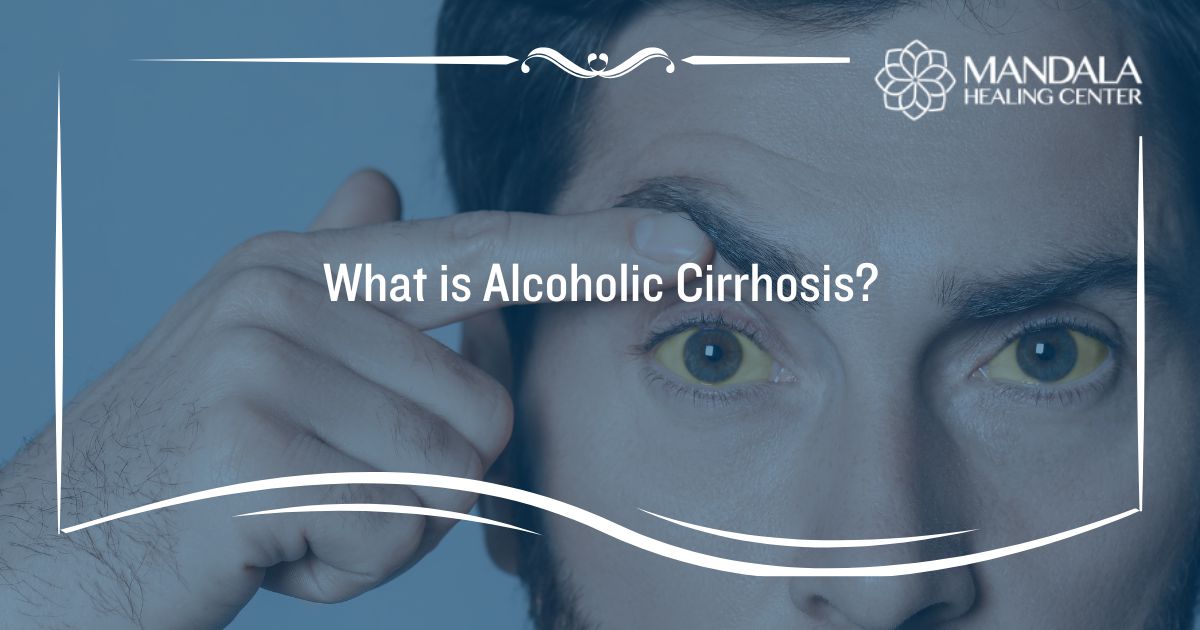
Alcoholic cirrhosis is the most severe form of alcoholic liver disease, a condition that develops after years of excessive alcohol use. It is a life-threatening illness that causes permanent scarring and loss of liver function. For many, alcoholic cirrhosis marks the final stage in the progression of chronic liver disease, following fatty liver and alcoholic hepatitis.
While the damage is serious, hope is not lost. With the right medical treatment, lifestyle changes, and emotional support, individuals can stop the progression of the disease — and in some cases, become candidates for liver transplantation.
Understanding the Liver and Its Role
The liver is a vital organ responsible for many essential bodily functions. It helps digest food, stores sugar, filters toxins, and produces proteins critical for blood clotting. A healthy liver is resilient and capable of regeneration.
However, when someone drinks alcohol heavily over time, it can lead to alcohol associated liver disease and eventually to alcoholic cirrhosis. Chronic alcohol consumption causes liver cells to become inflamed and damaged. Over time, the liver replaces healthy liver tissue with scar tissue, leading to a decline in its ability to function — a condition known as liver cirrhosis.
How Alcoholic Cirrhosis Develops
Alcoholic fatty liver disease is often the first sign of alcohol-related liver damage. It’s caused by fat buildup in the liver and can develop after just a few days or weeks of heavy drinking.
If heavy alcohol intake continues, the condition can worsen into alcoholic hepatitis — a more severe form of inflammation. Severe alcoholic hepatitis can be life-threatening and may occur suddenly, with symptoms like vomiting blood, enlarged liver, and acute inflammation.
Without intervention, these conditions can lead to alcoholic cirrhosis, where permanent scarring and liver tissue loss impair the organ’s ability to function correctly.
Symptoms of Alcoholic Cirrhosis
In the early stages, alcoholic cirrhosis may not cause any noticeable symptoms. However, as the disease progresses, the symptoms may worsen and become more apparent.
Signs of cirrhosis may include:
- Fatigue and weakness
- Loss of appetite and weight loss
- Abdominal swelling (ascites)
- Jaundice (yellowing of skin and eyes)
- Gastrointestinal bleeding or vomiting blood
- Confusion or drowsiness (hepatic encephalopathy)
- Portal hypertension (increased pressure in the vein that carries blood to the liver)
- Spontaneous bacterial peritonitis (infection in abdominal fluid)
These are serious signs that the liver is struggling or failing to function — also known as decompensated cirrhosis.
Diagnosing Alcoholic Cirrhosis
Doctors may use several tools to diagnose alcoholic liver cirrhosis. These include:
- Blood tests such as liver function tests, complete blood count, and markers of inflammation or infection
- Imaging tests like ultrasound or CT scans to detect an enlarged liver or fat buildup
- Liver biopsy to examine tissue and confirm the presence of scar tissue
- Medical history and assessment of alcohol misuse or chronic alcohol use
In many cases, symptoms combined with test results provide a clear picture of the damage.
Risk Factors for Alcoholic Cirrhosis
Several risk factors increase the likelihood of developing alcoholic cirrhosis.
These may include:
- Chronic alcohol use over many years
- Drinking more than 2–3 drinks per day
- Genetics and family history of liver disease
- Co-existing liver conditions like hepatitis B, hepatitis C virus, or autoimmune hepatitis
- Conditions like primary sclerosing cholangitis, primary biliary cholangitis, or glycogen storage disease
- Gender (women may be more sensitive to alcohol’s effects on the liver)
- Nutritional deficiencies
Even if you don’t feel symptoms, liver damage can quietly worsen over time. That’s why early diagnosis and action are key.
[elementor-template id=”173075″]
Stages of Alcohol-Related Liver Disease
Liver disease is typically progressive, occurring in stages. Here is an overview of the stages of alcohol-related liver disease.
Fatty Liver Disease: Often reversible if you stop drinking alcohol early.
Alcoholic Hepatitis: Inflammation and possible liver cell death. May improve with anti-inflammatory medicines and abstinence.
Alcoholic Cirrhosis: End-stage liver disease characterized by severe scarring, liver failure, and potentially the need for a liver transplant.
Each stage builds upon the damage of the last, making early intervention critical.
Treatment Options
Treatment of alcohol-related liver disease requires a comprehensive approach. Here is an overview of what steps people must take to manage this serious condition.
Stop Drinking Alcohol
The most critical step is to stop drinking alcohol altogether. This not only halts further damage but can also allow working liver tissue to heal. For many, this may require professional help to address alcohol addiction through therapy, medication, or inpatient care.
Medical Treatment
Medical treatment for liver-related disease can include:
- Diuretics to reduce fluid retention
- Beta-blockers to manage portal hypertension
- Lactulose or other medications for hepatic encephalopathy
- Nutritional support for deficiencies
- Treating infections like spontaneous bacterial peritonitis
People may require inpatient care to manage the effects of cirrhosis and move forward in recovery.
Liver Transplantation
In severe cases or end-stage liver disease, a liver transplant may be the only option. Candidates must meet specific criteria, including a commitment to long-term sobriety. Liver transplantation can restore life expectancy, but it’s a major medical procedure with lifelong implications.
Complications of Alcoholic Cirrhosis
When cirrhosis becomes decompensated, it can cause a range of life-threatening complications. These may include:
- Liver failure
- Kidney failure (especially in those who develop hepatorenal syndrome)
- Severe infections
- Bleeding from varices (enlarged veins in the esophagus and stomach)
- Increased risk of liver cancer
Because alcoholic cirrhosis damages normal liver tissue beyond repair, these complications can quickly escalate. Some may need emergency interventions like endoscopies to shrink swollen veins or intensive care hospitalization.
Living with Alcoholic Cirrhosis
Receiving a diagnosis of alcohol associated cirrhosis can be overwhelming. But with medical guidance, peer support, and addiction treatment, many people go on to live fulfilling lives.
Ongoing care typically includes:
- Regular monitoring with liver function tests
- Managing symptoms and avoiding triggers
- Staying up to date on vaccines (especially for viral hepatitis)
- Eating a balanced diet low in sodium and fat
- Avoiding medications that harm the liver
- Maintaining total abstinence from alcohol
It’s essential to work closely with a hepatologist and addiction counselor who understand the unique challenges of alcohol related cirrhosis.
You Can Make a Change Today
If you or someone you love struggles with alcohol misuse, it’s never too late to seek help. Reducing or eliminating alcohol intake can prevent the progression of alcohol associated liver disease — even after damage has begun.
Remember: you are not alone. Many others have walked this path — and healing starts with one step forward. Find the treatment and recovery support you need to address alcohol misuse or addiction at the Mandala Healing Center. Learn about our programs or schedule an intake appointment by contacting our specialists today.
Frequently Asked Questions (FAQ) About Alcoholic Cirrhosis
1. Can alcoholic cirrhosis be reversed if I stop drinking?
Unfortunately, alcoholic cirrhosis cannot be reversed because the liver scarring is permanent. However, stopping alcohol use can prevent further damage and improve your overall liver function. Early medical intervention and sustained sobriety can stabilize your condition and reduce complications.
2. How long do you have to drink heavily to get cirrhosis?
There’s no exact timeline, as it varies by individual. Some people may develop alcoholic cirrhosis after 10–20 years of heavy drinking, while others are more susceptible and show liver damage sooner due to genetics, diet, or coexisting liver conditions. Women and those with hepatitis B or C are especially at higher risk, even with shorter periods of alcohol use.
3. Is moderate drinking safe if I’ve had fatty liver or alcoholic hepatitis before?
No. Once you’ve developed any form of alcoholic liver disease, it’s strongly advised to avoid alcohol entirely. Even small amounts of pure alcohol can accelerate liver injury in someone with a history of fatty liver disease or alcoholic hepatitis. Lifelong abstinence is usually recommended.
4. Can you have cirrhosis without symptoms?
Yes. Many people have compensated cirrhosis — meaning the liver is damaged but still functioning — without any obvious symptoms. This is why routine checkups, especially for people with a history of chronic alcohol use, are essential. Cirrhosis often remains silent until it becomes advanced or decompensated.
5. Does cirrhosis only affect the liver?
While cirrhosis begins in the liver, it can have widespread effects on the body. It may lead to complications like kidney failure, bleeding disorders, brain fog or confusion (hepatic encephalopathy), and increased vulnerability to severe infections. It also disrupts blood flow and digestion, which affects nutrient absorption and energy levels.
6. Is alcohol the only cause of cirrhosis?
No. Cirrhosis can also result from viral hepatitis (like hepatitis B or C), autoimmune hepatitis, non-alcoholic fatty liver disease, primary sclerosing cholangitis, primary biliary cholangitis, genetic disorders like cystic fibrosis, or glycogen storage disease. However, alcohol remains one of the most common preventable causes worldwide.
Sources
- NIH: Alcohol-Associated Liver Disease
- US Department of Veterans Affairs: About Alcohol-Associated Liver Disease
- Mayo Clinic: Cirrhosis
- CDC: Chronic Liver Disease and Cirrhosis
Learn more about alcohol addiction treatment.
Previous in this series: What is Alcohol Detox Like in West Palm Beach · Next: What is Alcoholic Nose Understanding Rhinophyma More



-

Does Insurance Cover Drug and Alcohol Rehab in Florida?
October 13, 2026
-

Signs Your Drinking May Be Becoming a Problem
October 8, 2026
-

How to Get Into Rehab Quickly in Florida
September 30, 2026
-

Can You Go to Rehab Without Detoxing First?
September 24, 2026
-

Can You Become Addicted to Alcohol Without Drinking Every Day?
September 19, 2026