 Skip to the content

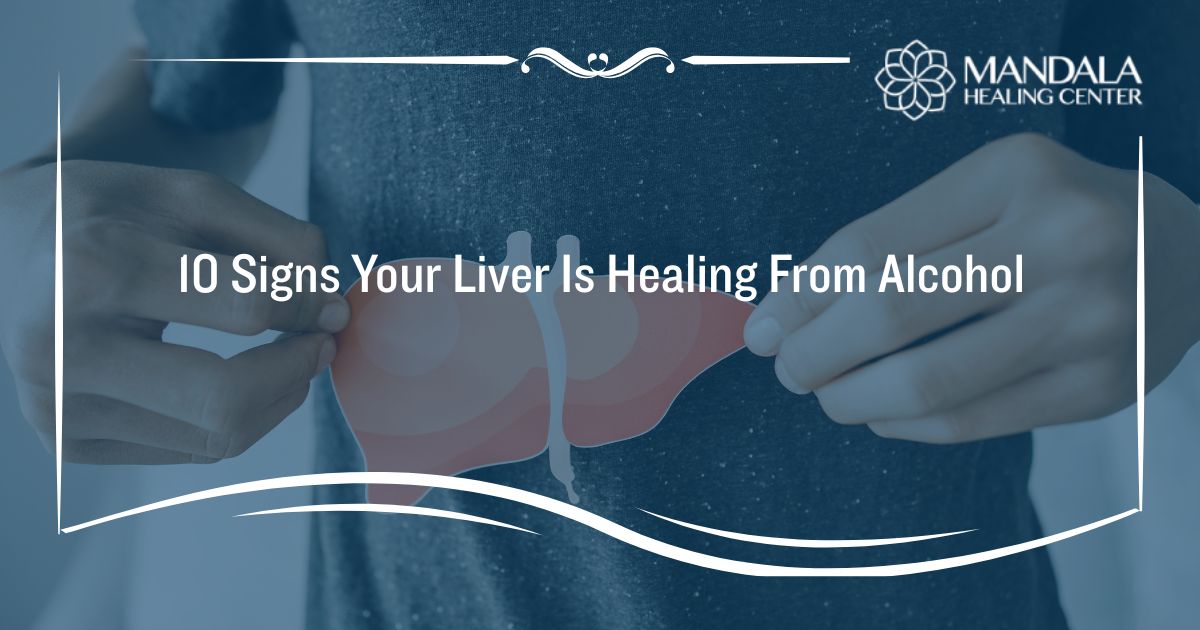
For those on the path to recovery from alcohol addiction, understanding what’s happening inside your body can be both motivating and empowering. The liver, one of the most resilient organs in the human body, has a remarkable ability to heal—even after prolonged alcohol use. But how can you tell when your liver is truly recovering?
Here are 10 signs your liver is healing from alcohol—and what that means for your overall health and recovery journey.
1. Improved Liver Function Test Results
One of the first measurable signs your liver is healing from alcohol is improved liver function tests. These blood tests evaluate enzyme levels, such as ALT, AST, ALP, and GGT, which indicate how well your liver is working.
When alcohol-related liver damage is present, these enzyme levels are often elevated. As you stop drinking, your liver enzyme levels may begin to normalize—often within weeks. This is a strong sign that liver cells are regenerating and liver function is improving.
But why is this significant? Healthy enzyme levels suggest reduced liver inflammation and liver scarring, both common consequences of alcohol related liver disease.
2. Increased Energy and Reduced Fatigue
Liver health is closely tied to your energy levels. A damaged liver struggles to metabolize nutrients and filter toxins, leading to fatigue and weakness. As the liver is healing, many people experience more consistent energy and better stamina.
This improvement is due to the liver’s restored ability to produce glycogen, process nutrients, and remove waste efficiently. If you’re feeling more energetic after quitting alcohol, it’s a clear sign your liver is beginning to bounce back.
3. Better Digestion and Appetite
Prolonged alcohol use can cause fatty liver disease, which impairs bile production and disrupts digestion. During liver recovery, your digestive system starts to normalize, and issues like bloating, nausea, or loss of appetite begin to improve.
A healthy liver produces bile that helps break down fats and absorb fat-soluble vitamins. As your liver function improves, so does your body’s ability to properly digest food—often leading to a healthier appetite and more balanced eating habits.
4. Reduction in Abdominal Pain and Tenderness
One of the more distressing symptoms of alcoholic hepatitis, liver inflammation, or liver scarring is persistent or severe abdominal pain in the upper right quadrant. As your liver begins to heal, you may notice a reduction in pain or discomfort in this area.
While liver tenderness doesn’t disappear overnight, a gradual easing of abdominal symptoms is a good indicator that chronic inflammation is subsiding and that healthy liver tissue is replacing damaged areas.
[elementor-template id=”173075″]
5. Decreased Fluid Retention
In severe cases of alcohol related liver disease, the liver’s inability to regulate fluids can lead to fluid accumulation in the abdomen (ascites) and swelling in the legs and feet (edema). This happens because the liver can’t produce enough albumin, a protein that helps keep fluid in your bloodstream.
With nutritional support, reduced alcohol consumption, and medical intervention, this symptom may improve. As the liver’s protein production recovers, swelling may decrease—a vital sign of progress in your liver recovery.
6. Clearer Thinking and Reduced Brain Fog
People struggling with alcohol use disorder often experience brain fog, memory problems, or difficulty concentrating. This is partly due to liver damage, which limits the liver’s ability to filter out toxins that affect the brain.
As your liver heals, its detoxifying abilities improve, reducing the buildup of harmful substances like ammonia. This can lead to reduced brain fog, better focus, and a sharper memory—enhancing not just physical but mental health too.
7. Weight Loss and Decrease in Fatty Liver
If you’ve been diagnosed with alcoholic fatty liver disease, abstaining from alcohol can drastically improve your liver’s fat content. A key marker of healing is a reduction in liver fat and body weight.
A combination of stopping alcohol intake, following a healthy diet, and exercising regularly can lead to the reduction of fatty liver. Over time, your body may replace damaged liver tissue with healthy liver cells, contributing to long-term liver regeneration.
8. Stronger Immune System and Fewer Illnesses
The liver plays a vital role in regulating the immune system. Chronic alcohol use weakens the liver’s ability to fight infections and detoxify the body. When the liver is healing, many people notice fewer colds, better resistance to illness, and faster recovery times.
This improvement in overall health is due to the liver regaining its natural immune-supporting functions—removing toxins, filtering pathogens, and producing proteins essential for immune response.
9. Improved Skin Health
One surprising but meaningful sign of liver healing is visible through your skin. During periods of alcohol misuse, many people experience dull, yellowish, or itchy skin—signs of liver distress or even liver failure.
As liver function improves, bilirubin levels (a yellow pigment processed by the liver) begin to normalize. This can lead to brighter, clearer skin and improved skin health—a welcome boost in self-confidence during recovery.
10. Stabilized Blood Clotting and Less Bruising
The liver produces proteins essential for blood clotting. When it’s damaged, clotting can become impaired, causing easy bruising or prolonged bleeding. As you support liver healing by quitting alcohol and maintaining nutritional support, your body may begin producing these proteins more efficiently.
This is a subtle yet critical marker of liver regeneration. Fewer unexplained bruises and normalized bleeding times suggest that your liver’s protein production systems are recovering.
How Long Does Liver Recovery Take?
The timeline for liver recovery varies based on the extent of alcohol related liver damage and how long you’ve been drinking. In cases of mild alcoholic hepatitis, improvements can begin within weeks. However, for those with alcoholic cirrhosis or serious liver complications, recovery may be limited without intervention such as a liver transplant.
Early intervention is key. The sooner you stop drinking alcohol, the more likely you are to regenerate healthy cells, reduce chronic inflammation, and prevent the development of liver cancer or irreversible liver failure.
Supporting Liver Regeneration: What You Can Do
Even though the liver is resilient, it needs the right support to heal. Here’s how you can support liver function and enhance recovery:
- Stop drinking alcohol altogether. Even small amounts can stall healing.
- Eat a nutrient-rich diet. Focus on fruits, vegetables, lean proteins, and healthy fats.
- Avoid processed foods and added sugars, which contribute to fat buildup.
- Get regular exercise, which supports metabolism and reduces fatty buildup.
- Take only liver-safe medications, and always consult your healthcare provider before starting supplements.
- Attend addiction treatment, including therapy and support groups, to address the root causes of alcohol addiction.
- Get regular checkups, including liver function tests, to monitor progress.
If you’re experiencing severe abdominal pain, yellowing skin or eyes, persistent nausea, or swelling in the abdomen or legs, it’s crucial to speak with a healthcare provider. These may be signs of serious liver complications or alcoholic hepatitis that require immediate attention.
Remember: not all liver damage is reversible. But with the right care, many people can avoid progression to liver cancer or the need for a liver transplant.
Find Treatment and Support
The journey of healing from alcohol is not just about stopping alcohol consumption—it’s about reclaiming your health, your clarity, and your life. The liver is one of the few organs that can regenerate, even after years of prolonged alcohol use. By recognizing the signs that your liver is healing from alcohol, you can stay motivated and informed on your path to recovery.
If you or someone you love is struggling with alcohol use disorder, early action can make all the difference. Seek help, pursue treatment, and trust in your body’s ability to recover. Healing starts with one choice: to stop, and to begin again.
If you or a loved one needs treatment to safely stop drinking and maintain sobriety, you are not alone. Find the treatment and support you need at the Mandala Healing Center. Explore our holistic treatment and recovery support programs or schedule an intake appointment by contacting our specialists today.
Frequently Asked Questions (FAQ)
1. Can liver damage from alcohol be completely reversed?
In early stages like alcoholic fatty liver disease or mild alcoholic hepatitis, liver damage can often be reversed with sustained abstinence and lifestyle changes. However, in more advanced stages, such as alcoholic cirrhosis, the damage may be permanent. While scarring (fibrosis) may not fully heal, further damage can often be prevented with proper care and alcohol recovery support.
2. Is it possible to feel worse before feeling better after quitting alcohol?
Yes. When you stop drinking, you may initially experience alcohol withdrawal symptoms such as anxiety, insomnia, nausea, or mood swings. These symptoms are temporary and part of your body readjusting. While your liver and overall health begin to improve, it can take time for you to feel better. Medical support during detox can ease this process and reduce risks.
3. How do I know if my liver symptoms are serious?
Warning signs that may indicate serious liver complications include jaundice (yellowing of skin or eyes), severe abdominal pain, vomiting blood, confusion, or swelling in the abdomen or legs. These may signal liver failure or advanced liver disease and require immediate medical attention. Never ignore sudden or worsening symptoms—early treatment can be life-saving.
4. Does occasional binge drinking still harm the liver?
Yes. Even if you don’t drink daily, binge drinking can cause acute liver inflammation and accelerate long-term liver damage, especially if done frequently. This pattern of excessive alcohol consumption increases the risk of developing alcoholic hepatitis, fatty liver, or progressing to alcoholic cirrhosis over time.
5. Can supplements help my liver heal faster?
Some supplements—like milk thistle, N-acetylcysteine (NAC), or certain antioxidants—are believed to support liver health and reduce oxidative stress. However, their effectiveness varies, and some can even be harmful if misused. Always consult your healthcare provider before taking any supplements, especially if you’ve had prolonged alcohol use or liver conditions.
6. How does alcohol affect the liver differently from other organs?
The liver is the primary organ responsible for metabolizing alcohol, breaking it down into less toxic substances. Unlike other organs, it bears the brunt of alcohol misuse. This constant exposure leads to liver inflammation, fat accumulation, and eventually scar tissue—a progression not typically seen in other organs. This unique role is why alcohol affects the liver so severely and why healing it requires complete abstinence.
Sources
- CDC: Excessive Alcohol Use Fact Sheets by State
- NIH: Alcohol-Associated Liver Disease
- UK NHS: Alcohol-Related Liver Disease
Learn more about alcohol addiction treatment.
Previous in this series: Dangers of Mixing Alcohol and Hydroxyzine · Next: Can you Mix Celebrex and Alcohol


-

What Happens When You First Enter Rehab?
October 21, 2026
-

When Should You Go to the Hospital for Alcohol Withdrawal?
October 21, 2026
-

Does Insurance Cover Drug and Alcohol Rehab in Florida?
October 13, 2026
-
Signs Your Drinking May Be Becoming a Problem
October 8, 2026
-
How to Get Into Rehab Quickly in Florida
September 30, 2026