 Skip to the content

If you’ve found a strange object in a loved one’s belongings and fear it might be drug-related, you’re not alone—and you’re not overreacting. Understanding what a crack pipe looks like is a crucial step in identifying crack use and, more importantly, taking the first step toward helping someone you care about. This guide will walk you through what crack pipes are, how they’re used, why they matter, and—most importantly—what steps you can take to seek help or offer support.
What Is a Crack Pipe?
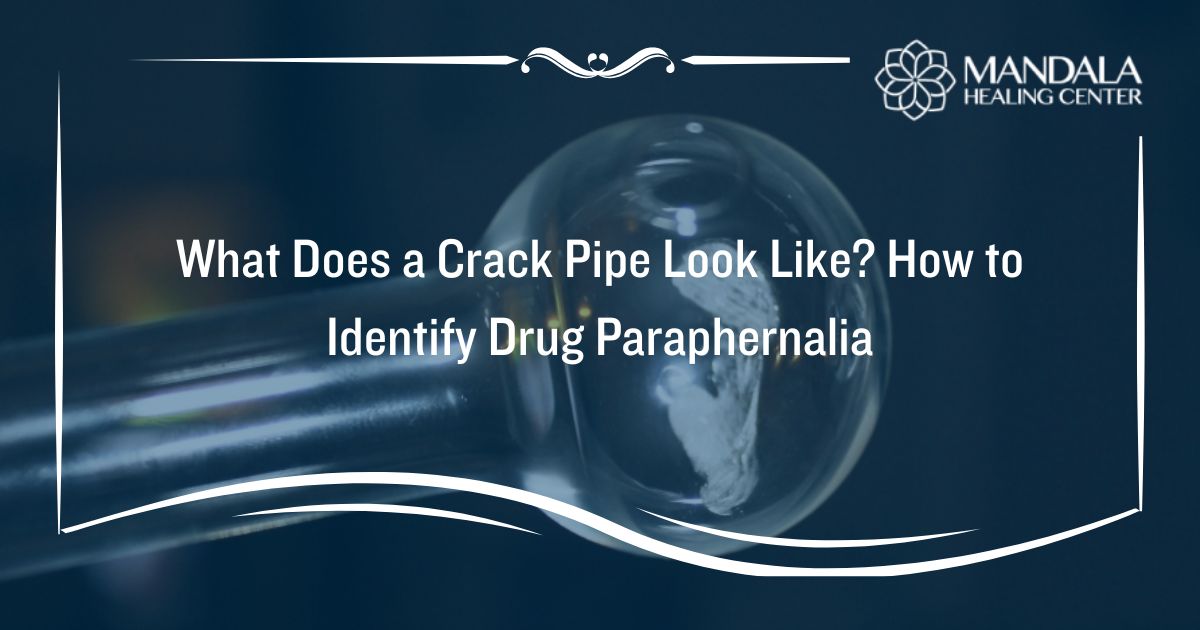
A crack pipe is a specific type of drug paraphernalia used to smoke crack cocaine, a highly addictive and illegal stimulant derived from powdered cocaine and baking soda. These pipes are most often made of small glass tubes—typically around 4 to 6 inches long—and are often clear or slightly tinted. The glass is usually thin and inexpensive, making it disposable or easily replaced.
Some crack users may make or modify pipes using:
- Miniature glass vials (like those used for perfume or incense)
- Sections of glass eyedroppers
- Pieces of broken glass tubes
At the end of the pipe, users often insert steel wool, like a Chore Boy (a brand of copper scrubbing pad), to act as a filter and hold the crack rock in place while it’s heated.
What Does a Crack Pipe Look Like?
A crack pipe has a distinct appearance, especially once it’s been used. Here’s what to look for:
- Small Glass Tubes: Clear or smoky, often resembling objects sold at convenience stores as “incense burners” or “oil diffusers.”
- Steel Wool or Copper Brillo Pad: Stuffed inside one end of the pipe. Over time, this may be darkened with burn marks or crack residue.
- Burn Marks or Discoloration: Around the edges or in the middle of the tube, especially if held in direct flame.
- Residue Inside: A brown or black buildup from repeated use.
- Cracks or Chips: Due to heat stress or being handled roughly.
Why Crack Pipes Matter: More Than Just a Pipe
These items aren’t just objects—they are evidence of crack use, which is often tied to deep personal, psychological, and social challenges. Recognizing a crack pipe could mean identifying a larger issue: a person struggling with crack addiction, mental health issues, or other forms of substance abuse.
Crack cocaine is typically smoked because it delivers an immediate and intense high. But this high is short-lived—leading users to smoke repeatedly in a short span, which contributes to addiction.
Other Crack Paraphernalia to Watch For
In addition to the pipe itself, people who smoke crack cocaine may have other tools or remnants:
- Burned lighters or torch lighters
- Razor blades
- Plastic baggies with white residue
- Glass vials
- Baking soda (used in the production of crack from powdered cocaine)
- Chore Boy pads (often torn or used)
- Drug residue on fingers or lips
- Makeshift ashtrays with used steel wool
The presence of these items, especially together, is a strong indicator of crack use or other illicit drugs.
Physical and Behavioral Signs of Crack Use
Recognizing drug use doesn’t stop with the objects. Physical symptoms and behavioral changes often go hand in hand with crack abuse.
Common Physical Signs:
- Burns on fingers or lips
- Dilated pupils
- Weight loss
- Frequent nosebleeds
- Sweating or tremors
- Coughing or respiratory issues
Common Behavioral Changes:
- Social withdrawal
- Neglect of hygiene or appearance
- Erratic or aggressive behavior
- Paranoia or hallucinations
- Insomnia
- Loss of interest in social activities
- Unusual secrecy or disappearing for long periods
The Dangers of Smoking Crack Cocaine
Crack cocaine is highly addictive and can lead to serious physical and mental health issues. If left untreated, crack addiction can result in:
- Cardiac arrest
- Psychosis
- Seizures
- Respiratory failure
- Liver damage
- Stroke
- Death
According to data from the National Institute on Drug Abuse (NIDA), in 2023, over 1 million Americans reported using crack cocaine at least once that year. While the opioid epidemic has captured much of the national spotlight, cocaine-related overdose deaths—many involving crack—have steadily increased over the last five years, particularly among people aged 35-54.
[elementor-template id=”173075″]
Addiction Is a Disease—Not a Moral Failing
Understanding the physical signs and paraphernalia is only part of the picture. It’s equally vital to understand that crack addiction is a medical condition, not a character flaw.
People addicted to crack often started due to:
- Environmental factors
- Childhood trauma
- Untreated mental illness
- Poverty or lack of access to healthcare
- Peer pressure or experimentation
Judgment and shame are never helpful. What crack users need most is professional help, compassion, and a path toward recovery.
What to Do If You Find a Crack Pipe
Finding a crack pipe can be jarring, but it’s also a critical opportunity. Don’t panic: Fear and confrontation rarely help. Stay calm.
Gather evidence to determine if your loved one is using crack. Keep the item or take a photo if it’s safe to do so. It can help in seeking professional advice. Look for patterns that may suggest drug use. Think about any recent changes in their physical appearance or behaviors.
Then, talk with the person: Approach them when they are sober and calm. Express concern without judgment. Being calm and non-judgmental will help them feel comfortable enough to be honest about substance use. You may then encourage them to seek treatment and find recovery support.
Addiction treatment can save lives. Let them know they are not alone. Reach out to the Mandala Healing Center specialists to learn more about talking to a loved one about substance use.
Crack Addiction Treatment Options
There is no one-size-fits-all approach, but many treatment centers and support organizations offer tailored recovery programs for those struggling with crack use. Common treatment options include:
- Detox Programs: Supervised medical detox to manage withdrawal symptoms
- Inpatient Rehab: Structured, residential treatment
- Outpatient Programs: Flexible, daytime therapy
- Behavioral Therapy: CBT and motivational interviewing
- Support Groups: Like Narcotics Anonymous or SMART Recovery
- Mental Health Counseling: To address co-occurring mental health issues
- Long-Term Sober Living Communities
If you’re unsure where to begin, organizations like Providence Health, SAMHSA, and Mental Health America can guide you to treatment centers in your area.
You Are Not Alone: Support for Loved Ones
Addiction doesn’t just affect the person using drugs—it touches everyone around them. If someone you love is using crack cocaine, it’s okay to feel overwhelmed, angry, afraid, or lost.
Consider connecting with:
- Family support groups
- Addiction counselors
- Online communities for loved ones of addicts
- Social workers or mental health professionals
Your well-being matters too. Helping someone with an addiction is difficult work—and self-care is not selfish.
The Bottom Line: Awareness Is the First Step
Knowing what a crack pipe looks like is not just about identifying drug paraphernalia. It’s about recognizing the signs of crack addiction and being brave enough to take action. Whether you’re someone who’s using, someone who loves a person struggling with addiction, or someone looking to understand the issue better, awareness is the first step toward healing.
Help is out there—and recovery is possible. If you or a loved one struggles with substance abuse or addiction, find treatment, support, and resources at the Mandala Healing Center. Learn more about our programs or schedule an intake appointment by reaching out to our specialists now.
FAQ: Crack Pipes and Crack Cocaine Use
1. Can crack cocaine be smoked without a pipe?
Yes, but not safely or effectively. While some individuals may attempt to smoke crack using makeshift devices (like aluminum cans or homemade foil pipes), these alternatives often produce toxic fumes. They can increase the risk of injury or overdose. A crack pipe is specifically designed (or repurposed) to facilitate inhalation of the drug, which is part of what makes identifying them so important.
2. Is it illegal to possess a crack pipe even if no drugs are present?
In many jurisdictions, yes. Drug paraphernalia laws vary by state and country, but possession of items intended for use with illicit substances—like crack pipes—can lead to criminal charges, even if no drugs are found. Some laws make exceptions for unused or “novelty” items, but intent and context often determine legality.
3. What’s the difference between crack and powdered cocaine?
Powdered cocaine is typically snorted or injected, while crack cocaine is a crystallized form that’s smoked. Though both originate from the same base compound, crack produces a faster, more intense high—and is often considered more addictive due to the speed and strength of its effects. Crack is also generally cheaper and more accessible, contributing to its widespread use in specific communities.
4. How quickly can someone become addicted to crack?
Addiction can begin after just one use. Crack produces a short-lived but intense euphoria that fades quickly, prompting repeated use in a short timeframe. This cycle significantly increases the risk of addiction, especially for those with underlying trauma, mental health issues, or a family history of substance abuse.
5. Can crack pipes spread disease?
Yes. Sharing crack pipes—especially those with burnt or sharp edges—can lead to cuts or sores on the lips and mouth, increasing the risk of transmitting infections like hepatitis C, HIV, or tuberculosis. Some harm-reduction programs provide safer smoking kits to reduce this risk.
6. How can I approach someone I suspect is using crack without pushing them away?
Choose a calm, private moment, speak with compassion rather than confrontation, and focus on your concern for their health and well-being. Avoid accusations or ultimatums. Offer support and encourage professional help, but be prepared for denial or defensiveness—addiction can cloud judgment, and trust may take time to rebuild.
Sources:
- National Institute on Drug Abuse (NIDA). “Cocaine DrugFacts.” 2023.
- Substance Abuse and Mental Health Services Administration (SAMHSA) Survey on substance use. 2024.
Learn more about cocaine addiction treatment.
Previous in this series: Identify Cocaine By Look Taste and Smell · Next: What is a Cocaine Comedown Causes Symptoms and Duration





-

Signs Your Drinking May Be Becoming a Problem
October 8, 2026
-

How to Get Into Rehab Quickly in Florida
September 30, 2026
-

Can You Go to Rehab Without Detoxing First?
September 24, 2026
-

Can You Become Addicted to Alcohol Without Drinking Every Day?
September 19, 2026
-

Inpatient vs. Outpatient Rehab: Which One Is Right for You?
September 14, 2026