 Skip to the content

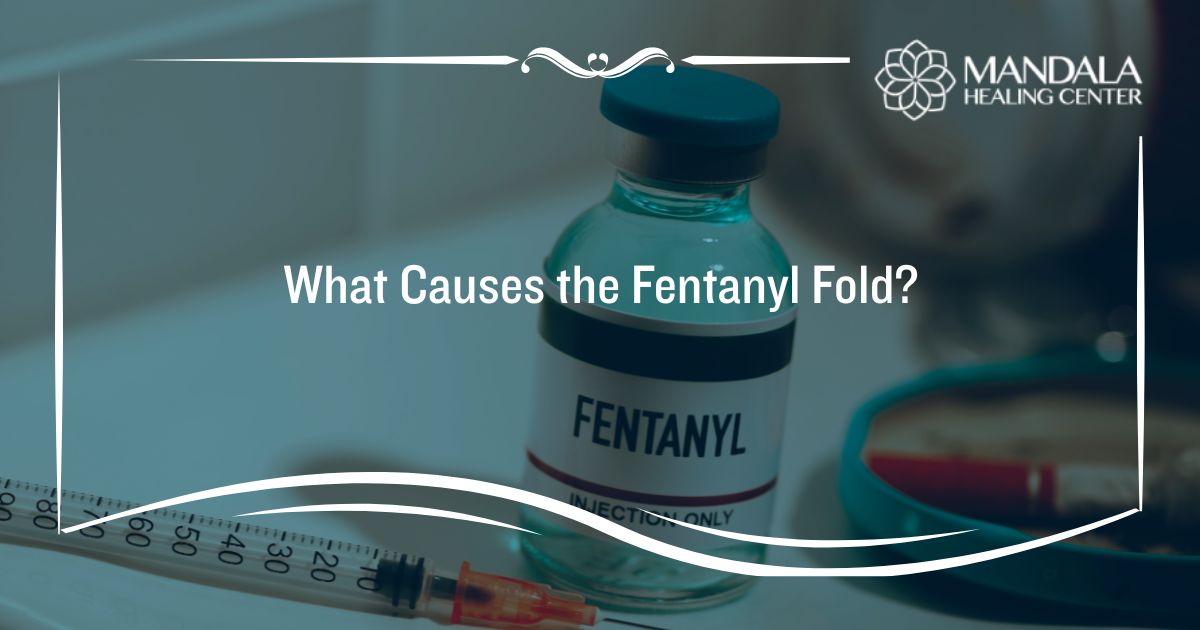
In the midst of the fentanyl crisis, a disturbing and highly visible trend is emerging—one that has alarmed medical professionals, outreach workers, and families alike. Known as the fentanyl fold, this phenomenon is not just a posture or side effect; it is a life-threatening signal of a body overwhelmed by one of the most dangerous drugs circulating today.
But what exactly causes the fentanyl fold? What does it mean for fentanyl users, and why does it matter in the fight against the opioid epidemic?
What Is the Fentanyl Fold?
The term fentanyl fold refers to a specific posture often seen in individuals who are experiencing the effects of fentanyl. This synthetic opioid is up to 50 times more potent than heroin and 100 times more potent than morphine. Those affected appear to be frozen mid-motion: hunched over, slumped with their heads hanging, or even stuck standing with knees bent and arms limp. It can happen whether the person is seated, standing, or even walking.
To an untrained eye, it may look like someone is simply tired or intoxicated. In reality, this posture reflects a state of profound central nervous system suppression, muscle rigidity, and loss of motor control—hallmarks of fentanyl’s potency and speed of action.
Why the Fentanyl Fold Happens
Fentanyl has a rapid onset and short duration but produces extreme potency, making it incredibly dangerous even in small amounts. It acts quickly on opioid receptors in the brain, altering the brain’s ability to regulate pain, breathing, and consciousness.
This can result in:
- Muscle rigidity, especially in the trunk muscles, making it difficult or impossible to sit or stand upright
- Poor circulation to limbs during extended periods of unconsciousness or immobility
- Suppressed motor control, making the person appear frozen or contorted
- Deep sedation and physical dependence, even after brief use
In some cases, the fentanyl fold may occur before full respiratory depression or complete respiratory failure, offering a short but crucial window for urgent medical intervention.
The Role of Respiratory Depression
Respiratory depression is the most dangerous side effect associated with fentanyl use. The drug suppresses the brain’s signals to breathe, which can result in:
- Slowed or irregular breathing
- Shallow breaths
- Unconsciousness
- Even death
When someone is experiencing the fentanyl fold, it may indicate that they are approaching a state of life-threatening respiratory failure. This is not just drowsiness—it is a medical emergency requiring immediate attention.
[elementor-template id=”173075″]
The Connection to Overdose Deaths
The fentanyl epidemic is driving historic levels of drug overdose deaths in the United States. According to the Centers for Disease Control and Prevention (CDC), over 70% of all overdose deaths now involve synthetic opioids, primarily illicitly manufactured fentanyl (IMF).
Many of these fatal overdoses occur quickly and silently, especially when fentanyl is unknowingly mixed with other drugs like counterfeit oxycodone, heroin, or methamphetamine. Some users may not even be aware that they’ve ingested fentanyl until it’s too late.
Visible signs like the fentanyl fold can serve as critical warnings for first responders, friends, or passersby who may have the chance to act before tragedy strikes.
How Fentanyl Differs from Other Opioids
There are some critical differences between fentanyl and other opioids. When compared to other opioids, Fentanyl:
- Crosses the blood-brain barrier more rapidly
- Binds more tightly to opioid receptors
- Causes more abrupt respiratory depression
- Is often pressed into counterfeit pills or cut into powders without users’ knowledge
Its high potency and short duration make it particularly treacherous for people with opioid use disorder, especially those attempting to manage fentanyl addiction without medical support.
Social Media and the Fentanyl Fold
The rise of social media has amplified awareness—and sometimes misunderstanding—of the fentanyl fold. Videos and photos circulate widely, often without context, showing individuals in alarming postures on sidewalks, buses, or street corners.
Cities like San Francisco have seen a surge in such images. While these portrayals can bring attention to the devastating impact of the opioid crisis, they can also contribute to the stigma and dehumanization of those struggling with substance abuse.
It’s vital to approach these situations with compassion, understanding that the person in the fentanyl fold is facing a medical crisis, not simply making a choice.
Harm Reduction and Recognizing the Signs
Recognizing the fentanyl fold is one piece of a broader public health strategy centered on harm reduction. These programs aim to reduce overdose deaths, disease transmission, and other adverse effects without judgment or punishment.
Key elements of harm reduction strategies include:
- Distribution of naloxone (Narcan), an opioid overdose reversal medication
- Access to fentanyl test strips to detect contamination in other substances
- Availability of medication-assisted treatment (MAT) to reduce cravings and manage opioid addiction
- Training for bystanders, families, and emergency services to recognize signs of fentanyl overdose
- Safe use spaces and harm reduction programs in high-risk communities
The fentanyl fold, when understood correctly, can be a cue for immediate intervention—a chance to save a life.
Who Is Most at Risk for the Fentanyl Fold?
Anyone who uses fentanyl or other drugs that may be contaminated with it is at increased risk for the fentanyl fold and overdose. However, certain groups are especially vulnerable:
- People with a history of opioid use disorder
- Those using counterfeit oxycodone or street pills
- Individuals who have recently detoxed and lost tolerance
- People using drugs alone without someone to help in an emergency
- Those with co-occurring conditions like depression or anxiety
Many fentanyl users do not know they’re taking it. That’s why fentanyl test strips and harm reduction strategies are so vital.
The Path to Recovery
Though the effects of fentanyl are powerful and often tragic, recovery is possible. Addiction treatment tailored to the specific challenges of fentanyl addiction can help individuals regain their health and dignity.
Professional treatment options may include:
- Medication-assisted treatment (MAT) using buprenorphine or methadone
- Behavioral therapies focused on coping skills and relapse prevention
- Support groups and peer mentorship
- Access to addiction medicine specialists
- Coordination with emergency departments for overdose survivors
- Integration with physical therapy and wellness programs
Treatment should not only address the physical dependence, but also the emotional, social, and psychological aspects associated with fentanyl use.
What You Can Do
If you or someone you love may be experiencing the fentanyl fold, don’t wait.
Take these steps:
- Call emergency services immediately. Time is critical.
- Administer naloxone if available.
- Monitor for breathing and responsiveness.
- If the person is slumped or unconscious, try to place them in the recovery position while waiting for help.
- If you’re unsure whether fentanyl is involved, act anyway—better safe than sorry.
And in the longer term, seek treatment options that provide whole-person support. Opioid addiction is not a moral failing. It is a complex disease that deserves compassion, understanding, and medical care.
Find Treatment for Fentanyl Addiction
The fentanyl fold is not just a tragic image—it is a cry for help. It reveals the high risk and devastating impact of illicitly manufactured fentanyl, which continues to claim thousands of lives each year.
By understanding the signs, supporting harm reduction, and expanding access to addiction treatment, we can offer hope and healing to those struggling in the shadows of the opioid crisis.
If you or someone you care about is facing fentanyl abuse, reach out to the team at the Mandala Healing Center. Learn about our compassionate, holistic treatment programs or schedule an intake appointment by reaching out today.
Frequently Asked Questions (FAQ) About the Fentanyl Fold
1. Can the fentanyl fold happen with other opioids besides fentanyl?
While the fentanyl fold is most commonly associated with fentanyl’s extreme potency, similar postures can occasionally be observed with other opioids in high doses. However, fentanyl’s rapid onset and stronger binding to opioid receptors make the fold far more pronounced and frequent compared to substances like heroin or oxycodone.
2. How can I tell the difference between someone experiencing the fentanyl fold and someone sleeping or passed out?
Someone experiencing the fentanyl fold often appears unnaturally frozen in a slumped or hunched position, sometimes still standing. Their breathing may be shallow, irregular, or absent. They may not respond to loud noises or physical touch. In contrast, someone sleeping typically has regular breathing and can be awakened. When in doubt, always treat it as a medical emergency.
3. Is the fentanyl fold painful or harmful to the person experiencing it?
Yes. Remaining in a folded or contorted position for extended periods can lead to poor circulation, nerve compression, and muscle damage. It may also signal the onset of respiratory depression, which can lead to complete respiratory failure or death if untreated. Prompt medical intervention is critical.
4. Can fentanyl cause long-term damage even if it doesn’t lead to an overdose?
Absolutely. Repeated fentanyl use, even without overdosing, can cause physical dependence, changes in brain chemistry, and increased tolerance—making opioid addiction more severe over time. Chronic users may also suffer from impaired motor control, memory issues, and a heightened risk of mental health disorders.
5. What should I do if I see someone in public experiencing the fentanyl fold?
First, call 911 immediately and report a possible opioid overdose. If you have naloxone, administer it right away. Stay with the person and monitor their breathing. Do not assume they are intoxicated or ignore the situation—acting quickly can save a life.
6. Why is fentanyl often found in drugs that aren’t supposed to contain it?
Illicitly manufactured fentanyl is cheap and easy to produce, which makes it appealing to drug dealers who lace it into other substances like cocaine, meth, or counterfeit pills to increase potency and profit. This unpredictability dramatically increases the risk of accidental overdose and is a major contributor to the current opioid crisis.
Sources
Learn more about fentanyl addiction treatment.
Previous in this series: Treatment for Fentanyl Addiction · Next: What is Carfentanil


-

Signs Your Drinking May Be Becoming a Problem
October 8, 2026
-

How to Get Into Rehab Quickly in Florida
September 30, 2026
-

Can You Go to Rehab Without Detoxing First?
September 24, 2026
-

Can You Become Addicted to Alcohol Without Drinking Every Day?
September 19, 2026
-

Inpatient vs. Outpatient Rehab: Which One Is Right for You?
September 14, 2026