 Skip to the content

Lasting recovery is built in structured care. Our inpatient rehab in West Palm Beach supports every stage of it.
Long-term recovery from mental health conditions and substance use disorders is a process that doesn’t end after a single phase of treatment. Rather, it is a recovery journey that requires ongoing support, flexibility, and a thoughtful approach to care. One key component of this journey is the step-down treatment plan. This methodical approach helps individuals transition from intensive treatment to independent living while reducing the risk of relapse and promoting lasting wellness.
In this article, we’ll explore what step-down care entails, its role in various treatment programs, and why it’s crucial for anyone working toward long-term recovery from substance abuse or mental health conditions.
What Is a Step-Down Treatment Plan?
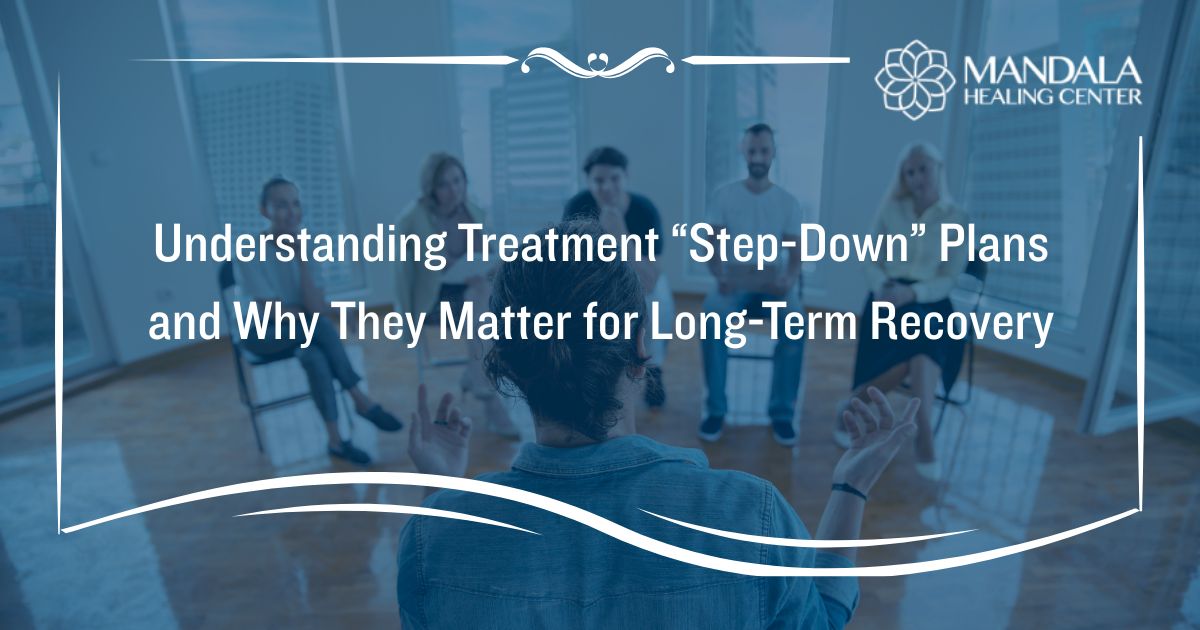
A step-down treatment plan refers to a structured transition through decreasing levels of care as an individual progresses in their recovery process. Rather than transitioning directly from intensive residential treatment to everyday life, step-down care bridges the gap by offering ongoing treatment at gradually reduced levels of intensity.
This approach typically follows a hierarchy:
- Inpatient Detox and Medical Stabilization
- Intensive Residential Treatment (24/7 or “round-the-clock care”)
- Partial Hospitalization Programs (PHP)
- Intensive Outpatient Programs (IOP)
- Low-Intensity Outpatient Treatment / Outpatient Therapy
- Aftercare and Community Support
Each step is designed to match the individual’s recovery progress, offering the right support at the right time.
Why Step-Down Programs Matter
Gradual Transition to Independent Living
For individuals recovering from substance use disorders or severe mental health symptoms, going directly from a structured environment to unmonitored daily life can be overwhelming. Step-down programs offer a gradual transition, allowing people to adjust while still receiving professional support.
This staged process promotes autonomy while maintaining a safety net, ensuring that individuals are not left to navigate early recovery alone.
Strengthening Coping Skills and Relapse Prevention
In early recovery, the risk of relapse is high. According to the National Institute on Drug Abuse (NIDA), 40-60% of individuals with substance use disorders relapse during recovery.[1]
Step-down care reinforces coping strategies, teaches new coping skills, and introduces relapse prevention strategies in real-world settings. This practical application helps individuals recognize early warning signs and respond appropriately.
Ongoing Therapy and Structured Support
As care levels decrease, the need for ongoing therapy sessions remains critical. Individual therapy, group therapy, and family therapy sessions continue to be important in identifying emotional triggers, improving communication skills, and building resilience.
Step-down care ensures that these therapeutic supports aren’t abruptly stopped but are integrated in a way that reflects the person’s recovery progress.
[elementor-template id=”173075″]
Key Features of Step-Down Care
Personalized Treatment Planning
No two individuals are the same. Comprehensive assessments guide step-down planning, taking into account:
- Mental health history
- Substance use patterns
- Medical needs
- Family dynamics
- Support system
- Employment or education goals
This ensures that the treatment team creates a plan tailored for lasting success.
Medication Management
For those dealing with mental health conditions such as depression, anxiety, or bipolar disorder, as well as those recovering from opioid drug use, consistent medication management is key.
Step-down care incorporates medical appointments to monitor effectiveness and side effects, especially as responsibilities increase.
Continued Access to Support Groups
As individuals step down to lower levels of care, staying connected to support groups and peer support becomes essential. Local support groups, such as those offered by 12-Step programs or SMART Recovery, offer shared experiences and community support during vulnerable stages.
Step-Down Levels Explained
1. Intensive Residential Treatment
Residential treatment is the most immersive level, where individuals live in a treatment center and receive round-the-clock care. Services typically include:
- Detox (if not completed in a separate inpatient detox program)
- Daily individual and group therapy
- Family therapy
- Nutritional guidance
- Drug testing and medical monitoring
This stage addresses withdrawal symptoms, mental health, and basic coping skills in a safe and structured environment.
2. Partial Hospitalization (PHP)
PHP is a middle ground between residential care and outpatient services. Patients attend programming during the day (often 5–6 hours) but return home or to a sober living environment at night. This format balances intensive support with early reintegration into daily life.
3. Intensive Outpatient Treatment (IOP)
Intensive outpatient programs typically involve attending treatment 3–5 days per week for a few hours per day. The focus here is on:
- Outpatient therapy
- Life skills development
- Family therapy sessions
- Relapse prevention strategies
- Support system building
This level is ideal for those who still need structure but are ready to begin part-time work, school, or budgeting job search tasks.
4. Low-Intensity Outpatient Treatment
Also referred to as outpatient care, this involves weekly or bi-weekly sessions with a therapist or counselor. The focus is on:
- Maintaining mental wellness
- Addressing any mental health symptoms
- Sustaining addiction recovery
- Strengthening coping strategies
Clients in this phase often benefit from regular check-ins with their treatment team, continued group therapy, and participation in local support groups.
Building a Support Network for Lasting Recovery
Supportive community and ongoing support are two of the most critical elements of a successful recovery journey. In fact, a 2020 study found that patients engaged in peer support or community-based aftercare programs were significantly more likely to maintain sobriety after 12 months.[2]
A strong support network may include:
- Professional support (therapists, psychiatrists)
- Support groups (NA, AA, or secular options)
- Family and friends who understand and respect recovery
- Mentors or recovery coaches
These connections not only help prevent relapse but also foster personal responsibility and accountability.
The Role of Family in Step-Down Care
Recovery doesn’t happen in isolation. Family therapy plays a pivotal role, especially during transitions. Loved ones learn how to:
- Recognize enabling behaviors
- Communicate effectively
- Create healthy boundaries
- Support without rescuing
When families are engaged, individuals are more likely to remain in treatment programs and achieve lasting recovery.
Challenges of Skipping Step-Down Treatment
Skipping levels in a step-down treatment plan or jumping directly to outpatient services can result in:
- Increased risk of relapse
- Poor medication adherence
- Lack of structured coping
- Social isolation
- Overwhelm due to sudden responsibility
Recovery is not just about quitting substances or managing symptoms. It’s about building a sustainable, healthy lifestyle. The gradual transition of step-down care provides the framework needed to succeed in everyday life.
Get Connected to a Full Continuum of Care for Addiction Recovery
A step-down treatment plan is not a luxury—it is a necessity in comprehensive addiction treatment and mental health recovery. It offers a scaffold of structured support, allowing individuals to stabilize, learn, grow, and gradually return to independent living with confidence.
By embracing this layered approach, individuals gain:
- Tools for long-term mental wellness
- Lifelong coping strategies
- Access to ongoing therapy
- A resilient support network
- Confidence in navigating challenges
With the right support, a thoughtfully crafted step-down plan, and a commitment to healing, long-term recovery is not just possible—it’s sustainable.
If you are interested in engaging in a a step-down plan, you’ve come to the right place. At the Mandala Healing Center, we offer a variety of programs to make sure our clients receive the full continuum of care. Contact us today for more information on how our addiction treatment programs work.
Frequently Asked Questions (FAQs)
1. How long does a step-down treatment plan typically last?
The length of a step-down plan varies based on individual needs, the severity of the condition, and progress made during earlier stages of treatment. On average, a full continuum of care—from inpatient to outpatient—can span several months to over a year. However, many people continue engaging in lower-intensity support (like peer groups or therapy) indefinitely as part of their long-term recovery maintenance.
2. Can I work or go to school while in a step-down program?
Yes. Many step-down levels, particularly intensive outpatient programs (IOP) and outpatient care, are designed to accommodate work, education, and family commitments. These programs often offer flexible scheduling (day or evening sessions), allowing individuals to rebuild their daily responsibilities while continuing treatment.
3. What’s the difference between step-down care and aftercare?
While both aim to support ongoing recovery, step-down care refers to the structured, gradual reduction in treatment intensity, often including therapy, medication management, and support services. Aftercare, on the other hand, generally refers to long-term maintenance strategies post-treatment—such as alumni programs, sober living arrangements, peer mentorship, or occasional therapy sessions.
4. Is step-down treatment only for substance abuse recovery?
No. Step-down treatment is widely used for both mental health conditions and substance use disorders. Individuals recovering from mood disorders, trauma, anxiety, and co-occurring conditions often benefit from a phased approach that supports them in adapting to daily life while managing ongoing mental health symptoms.
5. What happens if someone relapses during step-down care?
Relapse is not uncommon, especially in early recovery. Most step-down programs are prepared for this and will adjust the treatment plan accordingly. This may include returning to a higher level of care, modifying medications, or increasing therapy sessions. The key is to treat relapse as a signal that more support or different strategies may be needed—not as a failure.
6. How do I know if a treatment center offers step-down care?
Not all treatment centers provide a full continuum of care. When researching options, ask if they offer multiple levels of treatment (e.g., inpatient, PHP, IOP, outpatient), and how they support transitions between them. Centers that include individualized treatment planning, aftercare coordination, and ongoing support services are more likely to offer comprehensive step-down options.
References:
- The National Institute on Drug Abuse (NIDA): Treatment and Recovery
- The National Library of Medicine (NLM): Impact of Continuing Care on Recovery From Substance Use Disorder
Previous in this series: Understanding the Cycle of Addiction · Next in this series: Can Antidepressants Help With Addiction Treatment and Recovery?
Learn more about residential addiction treatment.
Previous in this series: Understanding the Cycle of Addiction · Next: Using Antidepressants in Addiction Treatment and Recovery


-

Does Insurance Cover Drug and Alcohol Rehab in Florida?
October 13, 2026
-

Signs Your Drinking May Be Becoming a Problem
October 8, 2026
-

How to Get Into Rehab Quickly in Florida
September 30, 2026
-

Can You Go to Rehab Without Detoxing First?
September 24, 2026
-

Can You Become Addicted to Alcohol Without Drinking Every Day?
September 19, 2026