 Skip to the content

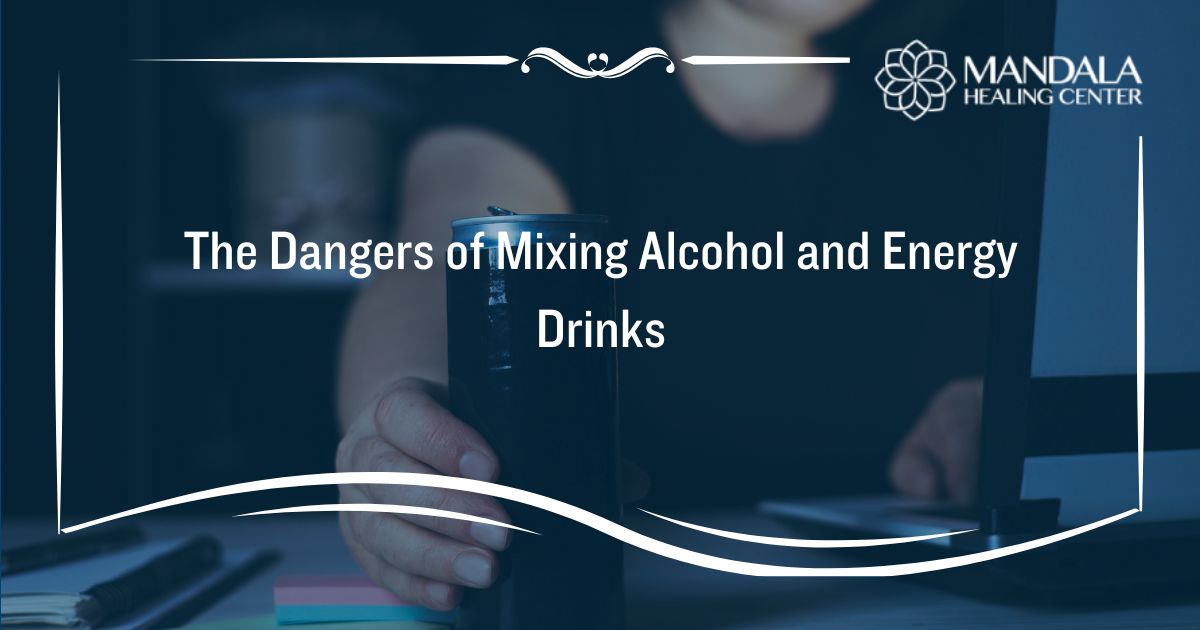
In recent years, the popularity of mixing alcohol and energy drinks has surged, especially among young adults and college students. These caffeinated alcoholic beverages are often seen as energizing and fun — but the health risks are serious.
While the combination might feel like it gives you more energy, it can result in risky behaviors, dangerous health effects, and long-term alcohol abuse problems. This article will explore the dangers of mixing alcohol and energy drinks, how to recognize an issue requiring attention, and where to seek treatment and support.
Why the Combination Is So Risky
Alcohol is a depressant. It slows your brain and body, contributing to the sedative effects that most people associate with drinking alcohol. Energy drinks, by contrast, are packed with caffeine and other stimulants that speed things up. When you mix energy drinks with alcohol, your brain receives conflicting messages.
You may not feel as intoxicated as you really are — a condition known as subjective intoxication. This can lead people to consume more alcohol than they usually would. They think they’re in control, but their coordination, reaction time, and judgment are already impaired.
What the Science Says
Caffeinated alcohol drinks trick your body. Caffeine’s effect masks the depressant effects of alcoholic beverages, but it doesn’t reduce your actual level of intoxication. In fact, people who drink caffeinated energy drinks with alcohol often experience more drinking, heavier binge sessions, and a higher likelihood of alcohol-related consequences.
Several studies and national survey results confirm that mixing alcohol with energy drinks is associated with:
- Heavy episodic drinking (binge drinking)
- Drunk driving
- Unprotected sex
- Illicit substance use
- Increased chance of sexual assault — both as a victim and perpetrator
- Risk of illicit drug use and drug use in general
These are not minor outcomes — they represent a pattern of high-risk drinking and serious public health concerns.
The Effects on Your Body
Even without alcohol, energy drink consumption can raise your blood pressure, increase your heart rate, and overstimulate your nervous system. Add alcohol to the mix, and you’re asking your body to process a cocktail of conflicting signals.
The result? You stay awake longer, drink more alcohol, and stay intoxicated longer — while thinking you’re still okay. The result may include elevated blood pressure, irregular heartbeat, or even heart complications. For individuals predisposed to cardiac issues or anxiety, this combination can be dangerous, even deadly.
[elementor-template id=”173075″]
Who’s Most at Risk?
This trend is especially common among college drinkers and young adults, often during parties, bars, and campus events. This group frequently reports that combining alcohol with energy drinks gives them the ability to drink longer and stay awake later.
But the danger is that the alcoholic beverage increases motivation to continue drinking — not because of better judgment, but because of impaired self-awareness. The more you drink, the more likely you are to experience the consequences of hazardous drinking.
This has led many health experts in addiction medicine to highlight caffeinated alcoholic drinks as a red flag in emerging drinking patterns among youth.
Dangerous Perceptions and Misleading Marketing
Many consumers assume that caffeine mixed with alcohol simply levels things out. But masking the signs of being drunk is not the same as being sober. In fact, this perception makes things worse. Individuals feel more in control and alert, leading to even more drinking, poor decisions, and dangerous outcomes.
Some caffeinated alcohol beverages were removed from the market after warnings from the Federal Trade Commission. However, it’s still easy to find people adding caffeine by pouring vodka into energy drinks — creating a caffeinated alcoholic cocktail at home, bars, or parties.
Because these drinks are sweet and highly caffeinated, they also appeal to less experienced drinkers, contributing to an increased risk of illicit substance use and dependency.
Long-Term Health Effects of Mixing Alcohol and Energy Drinks
Regularly mixing alcohol with energy drinks can lead to more than short-term harm. Over time, people may develop dependency on both alcohol and stimulants like caffeine, leading to withdrawal symptoms, mood issues, and a higher risk of chronic alcohol abuse.
Additionally, the stress placed on your heart, liver, and brain can increase your risk of:
- Sleep disorders
- High blood pressure
- Cognitive decline
- Addiction to both alcohol and stimulants
- Poor decision-making that leads to trauma, injury, or legal trouble
Those with pre-existing mental health issues may be especially vulnerable to the negative consequences of these combined alcohol and caffeine effects.
Addiction, Treatment, and Recovery
Understanding why people consume alcohol in this way is part of the broader field of addiction medicine. Many individuals report using caffeinated alcoholic beverages to feel more confident, fit in socially, or mask emotional pain.
If you or someone you love is stuck in this cycle — chasing more energy, staying up longer, and engaging in risk behaviors tied to mixing alcohol — know that you are not alone. Help is available.
Treatment centers can help you build awareness of consumption patterns, understand the role of substances in your life, and develop healthier coping strategies. Recovery doesn’t mean giving up joy — it means reclaiming your life and health.
What You Can Do
There are a few ways to stay safe and support others who might be unaware of the dangers of combining alcohol and caffeine. First, avoid mixing caffeine and alcohol. Set limits when drinking alcohol and stick to them. This could involve deciding in advance how much to drink and keeping track throughout the day or evening.
Next, it is crucial to be aware of how many energy drinks you’ve had before drinking. Encourage friends to skip caffeinated alcoholic beverages, and share information about the health risks of combining stimulants and depressants.
Finally, be an advocate for yourself and others. Promote safer alternatives at social events, and push for clearer consumer demographics labeling on active ingredients.
An awareness of the risks associated with mixing alcohol and caffeine is a good foundation for action. Contact the treatment specialists at the Mandala Healing Center to learn more about these risks, steps you can take to stay safe, or how to treat substance use disorder.
Find Treatment and Support
The idea that alcohol mixed with energy is harmless is not only false — it’s dangerous. What feels like a harmless boost can quickly turn into a night of risky behaviors, poor decisions, and potentially life-altering consequences.
If you’re using energy drinks and alcohol combinations regularly, it may be a sign you need help to regain control over your substance use. Contact the Mandala Healing Center to explore our comprehensive treatment and support programs or to schedule an intake appointment.
FAQ: Mixing Alcohol and Energy Drinks
1. Are there legal consequences for serving alcohol mixed with energy drinks?
Yes. In some regions, bars and clubs can face fines or penalties for serving caffeinated alcoholic beverages, especially if those drinks contribute to intoxication-related incidents. After warnings from federal agencies, some commercial premixed products were banned or reformulated. However, liability still exists when alcohol is mixed with energy drinks on-site, particularly if underage or impaired individuals are involved.
2. Can mixing alcohol and energy drinks cause withdrawal symptoms?
Yes. People who frequently combine alcohol and high-caffeine beverages may experience withdrawal symptoms from both substances. These can include irritability, headaches, fatigue, mood swings, or difficulty concentrating — especially if use has been heavy or consistent over time.
3. Is it safer to drink energy drinks before alcohol rather than mixing them?
While separating consumption might reduce acute risk, drinking energy drinks before alcohol still increases alertness and can mask early signs of impairment. The core issue isn’t just mixing in the same glass — it’s the overlap of stimulant and depressant effects, regardless of the order or time gap between drinks.
4. How can I tell if someone is experiencing a dangerous reaction to this mix?
Look for signs like confusion, rapid heart rate, chest pain, severe agitation, vomiting, or unconsciousness. Since caffeine can mask intoxication, someone may appear more alert than they really are, even as their physical condition deteriorates. If in doubt, seek medical help immediately.
Sources
- CDC: Effects of Mixing Alcohol and Caffeine
- National Library of Medicine: Energy Drinks Mixed With Alcohol–What are the Risks?
- NIH: Energy Drinks
- CDC: Alcohol and Energy Drink Use Among Adolescents Seeking Emergency Department Care
Learn more about alcohol addiction treatment.
Previous in this series: Signs of Gray Area Drinking · Next: The Drug and Alcohol Detox Process

-

What Happens When You First Enter Rehab?
October 21, 2026
-

When Should You Go to the Hospital for Alcohol Withdrawal?
October 21, 2026
-

Does Insurance Cover Drug and Alcohol Rehab in Florida?
October 13, 2026
-

Signs Your Drinking May Be Becoming a Problem
October 8, 2026
-

How to Get Into Rehab Quickly in Florida
September 30, 2026