 Skip to the content

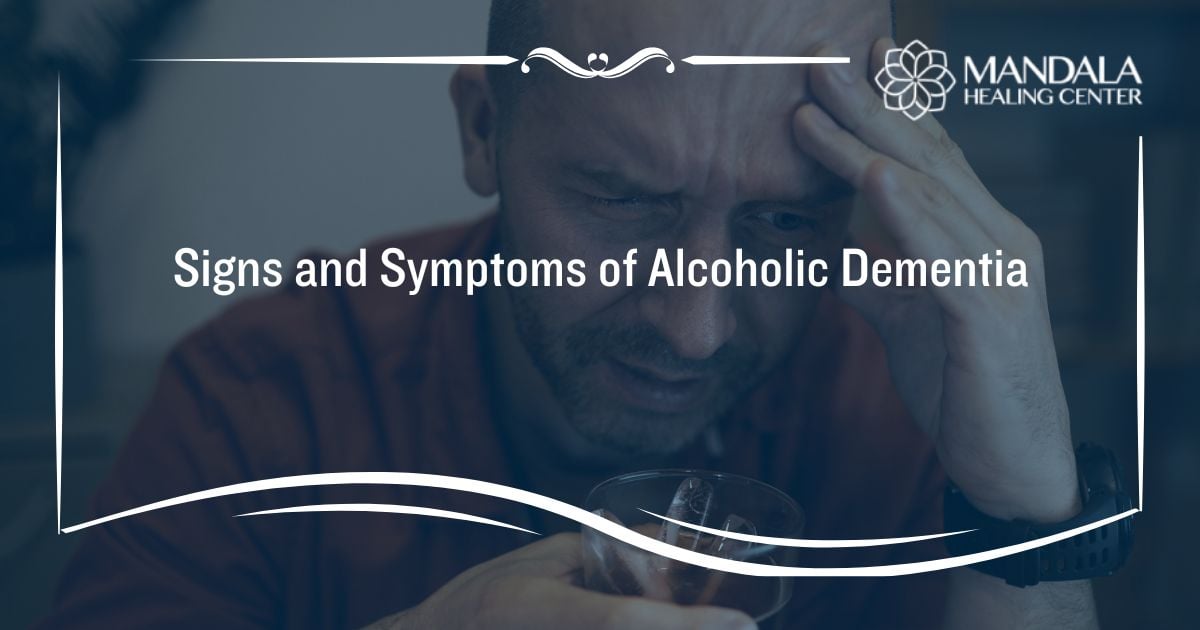
Alcohol can affect the body in many ways, but long‑term heavy drinking can have a serious and sometimes devastating impact on the brain. One of the most concerning consequences is alcoholic dementia, a condition caused by alcohol related brain damage that affects memory, thinking skills, behavior, and daily functioning. For people experiencing alcohol misuse or families worried about a loved one, understanding the symptoms and risk factors can make it easier to seek help before the damage becomes severe.
This guide explains what alcoholic dementia is, how it develops, and the signs to look for. It also discusses treatment options, ways to reduce harm, and why early detection matters.
What Is Alcoholic Dementia?
Alcoholic dementia refers to a range of cognitive and neurological problems that develop after years of drinking alcohol, especially in large amounts. It is sometimes called alcohol related dementia, alcohol induced dementia, or alcohol related brain injury.
Unlike other dementias, such as Alzheimer’s disease or vascular dementia, alcoholic dementia has a direct toxic and nutritional cause: excessive alcohol consumption combined with damage to the brain’s structure and a severe deficiency in essential vitamins.
One of the most recognized conditions within this category is Wernicke‑Korsakoff syndrome, a severe form of alcohol‑related brain damage linked to a severe lack of thiamine (vitamin B1). This deficiency harms brain cells, especially in areas responsible for memory, balance, and coordination. Over time, the brain can lose volume, develop scar tissue, and suffer disruptions in communication between brain regions.
How Alcohol Damages the Brain
Understanding alcoholic dementia requires knowing how alcohol intake affects the brain. Here is an overview of these effects.
Direct Neurotoxicity
Alcohol is toxic to nerve cells, especially with long-term alcohol use. Heavy or frequent drinking can damage the brain’s white matter, which affects communication between different parts of the brain. When these pathways break down, cognitive abilities such as attention, memory, and reasoning begin to decline.
Nutritional Deficiencies
Many people who drink heavily have a poor diet or difficulty absorbing nutrients. Thiamine deficiency is particularly dangerous because the brain relies on it to function correctly. When levels drop too low, it contributes to Wernicke-Korsakoff syndrome, often considered the most recognizable example of alcoholic dementia.
Reduced Blood Flow to the Brain
Alcohol can increase blood pressure and negatively affect the heart and vascular system. Reduced blood supply to the brain can lead to brain injury and symptoms that resemble other forms of dementia.
Inflammation and Shrinkage
Over time, excessive consumption damages brain tissue, leading to shrinkage in areas responsible for memory, emotions, and decision-making.
[elementor-template id=”173075″]
Signs and Symptoms of Alcoholic Dementia
Symptoms can vary from person to person, and they often appear gradually. People may initially seem forgetful or confused, but these changes can grow more serious without treatment.
Here are some of the signs of alcoholic dementia.
Memory Loss
One of the earliest and most noticeable signs is trouble remembering recent events. People may ask the same question repeatedly or struggle to recall recent events, even when prompted.
Confusion and Disorientation
Individuals may lose track of time, forget where they are, or become confused about familiar people or places. This can worsen during or after periods of heavy drinking or binge drinking.
Reduced Problem‑Solving Ability
Damage to areas of the brain involved in reasoning makes it difficult to complete complex tasks, follow multi‑step instructions, or make plans.
Poor Judgment
People may show impaired judgment, take unnecessary risks, or make decisions that seem out of character.
Motor Problems
Alcoholic dementia often affects coordination, leading to unsteady walking, difficulty with balance, and slower movements. Some individuals experience abnormal, involuntary eye movements, especially in Wernicke’s encephalopathy.
Personality or Behavioral Changes
Loved ones may notice irritability, mood swings, reduced social skills, apathy, or emotional withdrawal.
Difficulty with Daily Life
Tasks that were once routine—paying bills, cooking, managing medications, or keeping appointments—can become challenging as cognitive impairment deepens.
Risk Factors for Alcoholic Dementia
Not everyone who drinks heavily will develop alcoholic dementia, but certain factors significantly increase the likelihood.
These include:
- Heavy alcohol consumption over many years
- A history of alcohol use disorder
- Repeated episodes of binge drinking
- Poor nutrition or a vitamin deficiency
- Coexisting health conditions
- Genetic vulnerability
- Long periods of drinking heavily without medical care
Even those who believe they’re engaging in “acceptable” drinking may underestimate how much alcohol puts them at higher risk. While some health guidelines describe limits for moderate alcohol consumption, no amount of alcohol is entirely risk-free, especially for individuals with existing brain or mental health issues.
Diagnosing Alcohol Related Dementia
Getting a proper diagnosis requires evaluation by a healthcare professional. Because symptoms can overlap with other conditions, a thorough assessment is essential.
A clinician may use:
- Cognitive tests to evaluate memory, problem‑solving, and cognitive functioning
- A nutritional assessment to identify deficiencies
- Neurological exams
- A brain scan to look for structural brain damage
- Interviews with family to understand changes in behavior
A mental health professional may also be involved to help distinguish alcoholic dementia from depression, anxiety, or other psychiatric disorders.
Early diagnosis is critical. Once drinking stops and treatment begins, many people experience stabilization or partial recovery.
Is Alcoholic Dementia Reversible?
Unlike many other dementias, alcoholic dementia may improve if treated early. The brain has some ability to repair itself, but recovery depends on several factors.
These include:
- How early the condition is identified
- Whether the person can stop drinking alcohol
- The severity of the nutritional deficiencies
- How much permanent damage has already occurred
Some individuals regain much of their functioning, while others continue to struggle with memory, reasoning, and daily tasks. When alcohol use continues, symptoms almost always worsen, increasing the likelihood of permanent brain damage.
Treatment Options for Alcohol Related Dementia
While there is no cure, treatment focuses on stopping the progression of damage, supporting the brain’s ability to heal, and helping individuals regain independence.
Here are some of the steps you can take to manage or treat the symptoms of alcohol dementia.
Stop Drinking Alcohol
The most crucial step is to stop drinking entirely. People with severe dependence may need medically supervised detox to avoid dangerous withdrawal symptoms.
Thiamine and Nutritional Therapy
Correcting the severe vitamin deficiency—particularly thiamine—is essential. This may involve IV therapy or high‑dose supplements. A balanced diet or healthy diet is critical for ongoing recovery.
Cognitive Rehabilitation
Therapists help individuals rebuild skills related to memory, organization, communication, and daily planning.
Medical Monitoring
Medical professionals ensure that complications such as heart disease, liver damage, and neurological issues are addressed.
Counseling and Support Groups
Emotional support and structured recovery programs can be life-changing. Support groups provide reassurance, accountability, and connection for individuals trying to maintain sobriety.
Long-Term Care When Needed
In severe cases, individuals may require assistance with daily living, personal care, and safety.
Preventing Alcohol Related Brain Damage
Because behavioral and nutritional factors cause alcohol-related dementia, prevention is possible.
Steps include:
- Reducing alcohol intake
- Avoiding excessive alcohol consumption
- Eating a balanced, nutrient‑rich diet
- Seeking help early for alcohol misuse or dependence
- Getting regular health checkups to monitor blood pressure, liver function, and nutritional status
Even small reductions in drinking can reduce harm and improve long-term brain health.
When to Seek Help
If you or someone you care about is showing memory changes, confusion, or difficulty with daily tasks—and there is a history of heavy drinking—it’s essential to seek help right away. Reach out to the team at the Mandala Healing Center to learn about our holistic treatment and support programs or to schedule an intake appointment today.
FAQ: Alcoholic Dementia and Alcohol Related Brain Damage
1. Can alcoholic dementia affect younger adults?
Yes, while most dementia types are associated with aging, alcoholic dementia can develop in adults as young as their 30s or 40s, especially with years of heavy alcohol consumption or binge drinking. Early onset is often linked to a combination of alcohol use disorder, poor nutrition, and coexisting health conditions.
2. How does alcohol damage the brain differently than aging or other diseases?
Alcohol damages the brain by shrinking brain regions, destroying nerve cells, and disrupting communication between brain cells, particularly in the brain’s white matter. Unlike normal aging or conditions like Alzheimer’s disease, this damage can be abrupt, severe, and sometimes reversible if drinking stops and treatment begins early.
3. Is there a safe level of drinking to avoid brain damage?
While some guidelines suggest moderate alcohol consumption (1 drink/day for women, 2 for men), individual tolerance varies. There’s no completely safe threshold, especially for those with underlying health problems. Even moderate drinking over decades may contribute to cognitive decline, so reducing alcohol intake is always a safer choice for brain health.
4. Can alcoholic dementia be mistaken for other mental health issues?
Absolutely. Symptoms like confusion, memory lapses, mood swings, and poor judgment can resemble depression, bipolar disorder, or even schizophrenia. That’s why it’s essential to consult a mental health professional or neurologist for an accurate diagnosis and to rule out other dementias or psychiatric conditions.
5. What role does nutrition play in alcohol-related brain damage?
A poor diet, especially low in thiamine (vitamin B1), dramatically increases the risk of Wernicke-Korsakoff syndrome and other forms of alcohol related brain injury. Nutritional deficiencies worsen brain shrinkage and reduce the brain’s ability to repair itself. Recovery plans must include a balanced diet and targeted supplementation.
6. Is alcoholic dementia always permanent?
Not always. While some cases result in permanent brain damage, others experience partial recovery—especially if diagnosed early, alcohol use is stopped, and proper treatment is given. Continued heavy drinking dramatically reduces the chance of improvement.
Sources
- NIAAA: Alcohol’s Effects on Health
- NIAAA: Wernicke-Korsakoff Syndrome
- National Library of Medicine: Wernicke-Korsakoff Syndrome
- MedLine Plus: Wernicke-Korsakoff Syndrome
Learn more about alcohol addiction treatment.
Previous in this series: Short Term Drug Alcohol Rehab in South Florida · Next: Signs of Gray Area Drinking



-

Signs Your Drinking May Be Becoming a Problem
October 8, 2026
-

How to Get Into Rehab Quickly in Florida
September 30, 2026
-

Can You Go to Rehab Without Detoxing First?
September 24, 2026
-

Can You Become Addicted to Alcohol Without Drinking Every Day?
September 19, 2026
-

Inpatient vs. Outpatient Rehab: Which One Is Right for You?
September 14, 2026