 Skip to the content

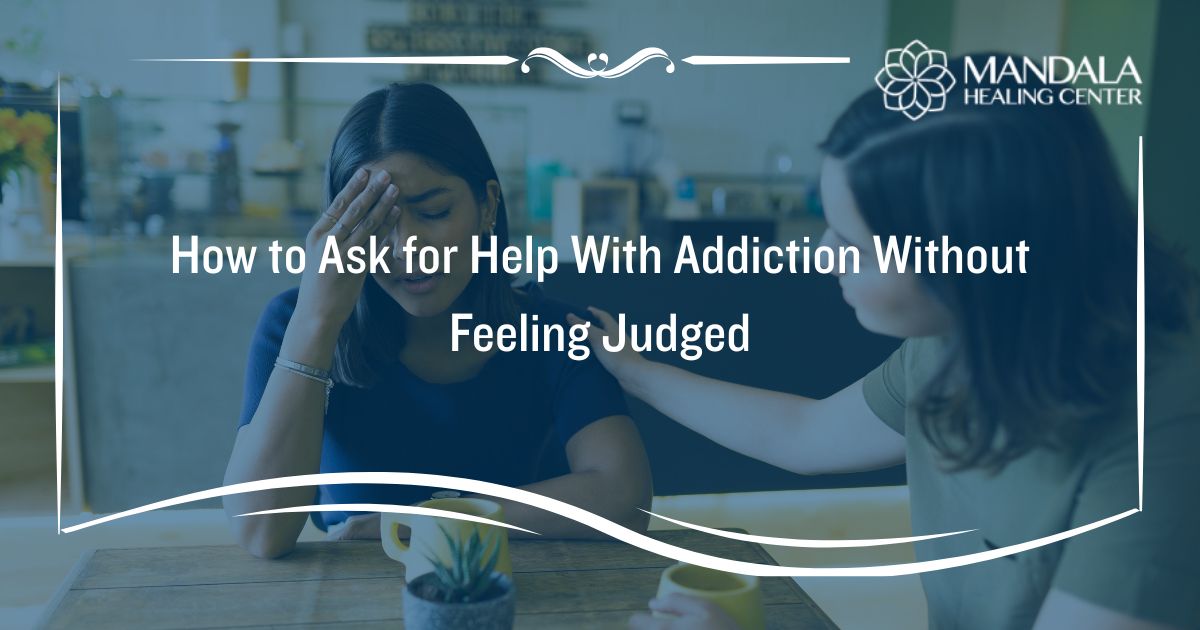
Asking for help with addiction can feel like one of the most challenging things a person ever does. Whether you’re wrestling with drug or alcohol addiction yourself or supporting a loved one who is, there’s often a profound fear of being judged by friends, family, or even health professionals. But taking that first step toward recovery doesn’t have to come with shame.
In this article, we’ll walk through how to ask for help with addiction without feeling judged, and how to navigate a complex system of treatment options, support networks, and emotional hurdles. Our goal is to provide you with concrete strategies, backed by real-world data, that encourage empowered and stigma-free decision-making.
Addiction Is a Health Problem—Not a Moral Failing
Let’s start here: addiction is a chronic disease, not a personal weakness. According to the National Institute on Drug Abuse (NIDA), addiction—or substance use disorder—alters brain chemistry in ways that make control incredibly difficult, especially without medical support and structured therapies. This includes everything from opioid addiction and alcohol use disorder, to dependency on heroin, narcotics, or prescription medications.
Over 20 million Americans aged 12 or older struggled with a substance use disorder in 2022, according to the Substance Abuse and Mental Health Services Administration (SAMHSA). That’s nearly 1 in 13 people. You’re not alone—and more importantly, you’re not beyond help.
Why Asking for Help Feels So Hard
There’s a cocktail of reasons people hesitate to talk about addiction: stigma, guilt, fear of consequences, or past negative experiences with health services or support groups. For others, it’s about protecting their relationships or worrying how family members, employers, or schools might react. Others may hesitate to ask for help because they are not ready to commit to treatment.
The internal dialogue often sounds like:
- “What if they think I’m weak?”
- “I don’t want to disappoint my loved ones.”
- “I should be able to handle this on my own.”
This mental resistance is normal. But it’s also one of the most significant barriers to recovery.
Step 1: Reframe the Way You See Asking for Help
Rather than seeing it as admitting defeat, think of asking for help as a strategic decision—one that requires courage, clarity, and self-awareness. You’re not just surviving; you’re actively choosing to take your life back.
Mental health professionals often emphasize that acknowledging the problem is a sign of strength, not weakness. If you’re struggling with a drug problem or alcohol addiction, remember: reaching out is not a burden to others—it’s a life-saving pivot point.
Step 2: Identify Who You Feel Comfortable Talking To
Not everyone will respond the way you want—and that’s okay. Start by thinking about who you trust most:
- A long-time friend who listens without judging?
- A family member who has seen you at your best and worst?
- A doctor or mental health practitioner you’ve worked with before?
You don’t need to announce it to the world. Just one safe person can be enough to get you into the right treatment facility or support group.
If you don’t have someone in your immediate circle, local support groups like Alcoholics Anonymous (AA) or Narcotics Anonymous (NA) are designed to connect people in similar positions. These environments are non-judgmental, often anonymous, and provide a strong sense of community.
[elementor-template id=”173075″]
Step 3: Use Clear, Direct Language
When you’re ready to speak up, clarity helps. Here’s how you might start:
- “I’ve been struggling with substance use and I think I need help.”
- “I’m worried my drinking has become a problem and I want to talk to someone.”
- “I’m afraid I’m addicted to opioids. I don’t know what to do next.”
You don’t need to have all the right words. You just need to be honest.
If you’re reaching out to a mental health professional or doctor, let them know you’re seeking a judgment-free space to discuss your concerns. Many are trained to handle substance abuse and co-occurring mental health conditions, such as anxiety or depression, which often accompany drug addiction.
Step 4: Learn About Your Treatment Options
There are different types of treatment programs—no one-size-fits-all approach. These can include:
- Inpatient or outpatient programs at a licensed treatment facility
- Detox programs to manage withdrawal symptoms
- Group therapy or individual counseling
- Medication-assisted treatment (MAT) for opioid or other drug addiction
- Peer-led support groups (AA, NA, SMART Recovery)
Don’t worry about picking the “right” one immediately. Professionals can help tailor a treatment plan based on your unique needs.
And if cost is a concern, know that many health services offer sliding-scale fees or government-subsidized options. The Affordable Care Act requires most health insurance plans to cover addiction treatment as an essential health benefit.
Step 5: Set Boundaries and Expectations
One of the most challenging aspects of recovery can be managing relationships. Not everyone will understand your journey—and some might make ignorant or hurtful comments.
That’s why it’s critical to set boundaries with those who make you feel worse and surround yourself with people who encourage, not shame. Focus on self-help and recovery goals—not external validation. This can help you continue working toward the healthier future you choose.
Some people also find it helpful to keep a written list of why they’re choosing to seek help. Then, when self-doubt creeps in, they revisit it to stay grounded.
Step 6: Tap Into Ongoing Support
Recovery isn’t a one-time event—it’s a long-term process. That’s why continuous support matters.
Make use of:
- Narcotics Anonymous (NA) or Alcoholics Anonymous (AA) meetings
- Therapy with addiction-trained clinicians
- Community or church-based recovery groups
- Apps and telehealth programs offering remote mental health care
Even checking in weekly with a support group or recovery coach can be the difference between relapse and progress. Research published by the Journal of Substance Abuse Treatment found that individuals who participated in peer-led recovery programs were 50% more likely to maintain sobriety over 12 months compared to those who did not.
Final Thoughts: You’re Not Alone, and You’re Not Broken
Addiction is a complex, multifaceted issue that affects the brain, behavior, and relationships. But help is real, and it works.
Whether you’re grappling with alcohol, opioids, heroin, or prescription drugs, or supporting a loved one facing the same, the most important thing is to start the conversation
Talk. Reach out. Trust the process. And most importantly—give yourself grace.
No one should suffer in silence. And you don’t have to. If you or a loved one struggles with substance abuse or addiction, you are not alone. Find treatment, support, and recovery resources at the Mandala Healing Center. Contact our intake team to learn about our programs or to schedule an intake appointment.
Frequently Asked Questions (FAQ)
1. What if I ask for help and I’m turned away or not taken seriously?
Unfortunately, not all responses will be compassionate or informed. If you’re dismissed by a friend, family member, or even a healthcare provider, don’t give up. Seek a second opinion—especially from professionals specializing in addiction medicine or behavioral health. National helplines and support organizations can also direct you to more receptive resources.
2. Can I get addiction treatment even if I don’t want to stop completely right away?
Yes. Many treatment programs follow a harm-reduction model, which focuses on minimizing the negative effects of substance use rather than requiring immediate abstinence. This approach enables you to engage in care while working toward long-term recovery goals at your own pace.
3. What if I have a co-occurring mental health condition, like depression or anxiety?
Integrated treatment is available and highly recommended. Dual-diagnosis programs address both addiction and mental health conditions simultaneously, improving long-term outcomes. Make sure to seek providers experienced in treating co-occurring disorders.
4. Is it possible to get help confidentially, without my employer or school finding out?
Yes. Under U.S. laws, such as the Health Insurance Portability and Accountability Act (HIPAA), your participation in treatment is confidential. In many cases, you can take medical leave under the Family and Medical Leave Act (FMLA) without having to disclose the exact reason to your employer.
5. What if I’m worried about legal issues related to my drug use?
Some treatment centers offer legal aid or partnerships with legal advocacy groups. While seeking help doesn’t erase past legal concerns, many jurisdictions favor rehabilitation over punishment, especially for first-time, non-violent offenses. Early intervention can also be a mitigating factor in court proceedings.
6. How can I support someone else who’s struggling if they’re not ready to ask for help?
Start by expressing concern without pressure or judgment. Offer resources, listen more than you speak, and be consistent. Avoid ultimatums unless safety is at risk. Sometimes, just knowing they’re not alone is enough to help them take the first step.
Resources
- Substance Abuse and Mental Health Services Administration (SAMHSA) National Survey on Drug Use and Health
- National Institute on Drug Abuse (NIDA) “What is Drug Addiction?”
Learn more about residential addiction treatment.
Previous in this series: How Science Has Clarified Addiction and Improved Recovery Strategies · Next: How to Choose a Rehab Center in West Palm Beach

-

Does Insurance Cover Drug and Alcohol Rehab in Florida?
October 13, 2026
-

Signs Your Drinking May Be Becoming a Problem
October 8, 2026
-

How to Get Into Rehab Quickly in Florida
September 30, 2026
-

Can You Go to Rehab Without Detoxing First?
September 24, 2026
-
Can You Become Addicted to Alcohol Without Drinking Every Day?
September 19, 2026