 Skip to the content

Recovery is closer than it feels. Our rehab in West Palm Beach offers medical detox, residential care, and aftercare planning under one roof.
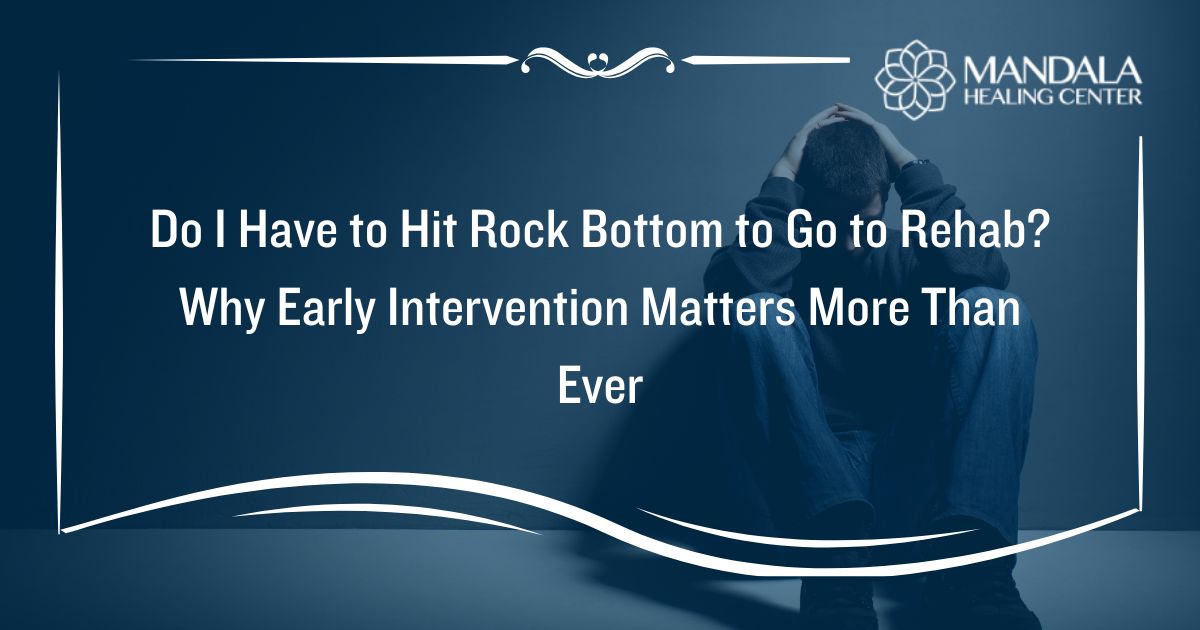
For many people struggling with addiction, one of the most persistent—and dangerous—myths is this: you have to hit rock bottom before seeking help. It’s an idea repeated in conversations, portrayed on television, and often echoed by well-meaning family and friends.
But here’s the truth: You do not have to hit rock bottom to go to rehab. In fact, waiting for a person to reach their “lowest point” can significantly increase the risks of long-term health damage, legal trouble, or even death. Substance use disorder (SUD) is a medical condition, not a moral failure. The earlier someone receives help, the better their chances of a successful recovery.
Understanding the “Rock Bottom” Myth
The idea of “rock bottom” suggests that a person must lose everything—relationships, career, health, or stability—before they are truly ready for treatment. This belief is more rooted in pop culture than in medical science.
Hollywood often glamorizes addiction narratives where people spiral out of control, only to have a dramatic turning point followed by a miraculous recovery. But in real life, addiction doesn’t always follow this path—and for many, rock bottom is not a wake-up call. It’s a fatal overdose, a permanent disability, or incarceration.
According to the Centers for Disease Control and Prevention (CDC), more than 112,000 Americans died from drug overdoses in 2023 alone—a stark reminder that waiting for someone to “hit bottom” can be deadly.
Substance Use Disorder: A Treatable Medical Condition
Substance use disorder is defined by the National Institute on Drug Abuse (NIDA) as a chronic, relapsing brain disease that affects behavior, judgment, and self-control.
Like any chronic illness—such as diabetes or heart disease—early intervention improves outcomes. There’s no medical justification for waiting until someone’s life is in shambles to begin treatment.
In fact, individuals who seek help early in their addiction are more likely to recover and avoid many of the most severe consequences of substance abuse.
Why the Myth Continues
Despite the evidence, the idea of rock bottom persists for several reasons:
1. Media Representation
Television and movies tend to dramatize addiction. While those stories can be powerful, they often misrepresent the real, day-to-day struggles of those living with substance abuse.
2. Recovery Narratives
Many people in recovery point to a personal “turning point.” But that doesn’t mean everyone must suffer extreme loss to be ready. Change can start with small realizations—like noticing the emotional toll of alcohol use or the pain of drifting away from loved ones.
3. Lack of Understanding
Many family members and even healthcare providers once believed that a person had to “want to change” or be fully ready to benefit from treatment. However, studies show that external motivation—such as concern from loved ones or the threat of legal consequences—can be just as effective in initiating recovery.
Recognizing the Signs Before the Bottom
You don’t have to be facing arrest, divorce, or overdose to qualify for help. Here are common signs that someone may benefit from intervention:
- Using drugs or alcohol to cope with emotions
- Feeling out of control or unable to cut back despite trying
- Increased conflict with family members or coworkers
- Withdrawing from human connection
- Ignoring responsibilities or neglecting self-care
- Experiencing shame, guilt, or emotional numbness
All of these signs point to a need for help. You don’t have to lose everything to start healing.
Early Intervention Saves Lives
Getting help early in the course of a substance use disorder greatly improves long-term recovery prospects. According to the National Institute on Alcohol Abuse and Alcoholism, early interventions—such as motivational interviewing and cognitive behavioral therapy—can help reduce use and prevent full-blown addiction.
In fact, early-stage treatment often requires less intensive services, and relapse rates are significantly lower compared to those who seek help after major losses.
Available Treatment Options Include:
- Outpatient counseling
- Residential rehab
- Medication-assisted treatment (MAT) and detox programs
- Support groups like AA, NA, and SMART Recovery
- Teletherapy and digital health services
Organizations like American Addiction Centers offer a range of treatment options based on an individual’s needs—whether they’re managing cravings, dealing with dual diagnoses, or trying to rebuild relationships.
[elementor-template id=”173075″]
For Family Members: You Don’t Have to Wait
If someone you care about is showing signs of drug abuse or alcohol dependency, you may feel powerless. But waiting for a dramatic event to force their hand is a high-risk gamble.
What You Can Do:
- Start the conversation: Express concern gently without blame. Use phrases like “I’ve noticed…” or “I’m worried about…”
- Educate yourself: Learn about addiction as a disease. This helps you respond with compassion instead of frustration.
- Connect them to resources: Provide information on support groups, therapy options, or local treatment centers.
- Get support for yourself: Groups like Al-Anon or therapy for family members can provide emotional relief and guidance.
- Involve professionals: Interventionists or addiction counselors can guide you on how to approach your loved one safely.
The Turning Point Can Happen Anytime
Change doesn’t have to come from disaster. It can come from a quiet moment, waking up, and realizing this isn’t the life I want anymore. That awareness can be the spark that lights the path forward.
You don’t need to “lose everything” to start a journey toward recovery. What matters is the decision to seek help, not how far you’ve fallen.
Breaking the Cycle of Harm
The “rock bottom” myth keeps people from getting help when they need it most. It delays treatment, increases risk, and perpetuates stigma. But recovery is possible at any stage, and no amount of pain or dysfunction is required before someone earns the right to get well.
Whether you’re struggling personally or watching someone you love, know this: You don’t have to hit bottom to begin again. If you or someone you love struggles with substance abuse or addiction, you are not alone. Contact the Mandala Healing Center specialists to explore our holistic treatment and recovery programs. Schedule an intake appointment or ask questions by reaching out today.
Frequently Asked Questions (FAQ)
1. What if I don’t feel “bad enough” to go to rehab?
You don’t need to feel like your life is falling apart to qualify for treatment. Many people seek help while still maintaining jobs, families, and daily routines. If substance use is interfering with your goals, relationships, or emotional well-being—even in small ways—it’s worth exploring treatment options. Rehab isn’t only for people in crisis; it’s also a place to prevent one from happening.
2. How can I approach a loved one about seeking help without pushing them away?
Approach with empathy, not accusation. Use “I” statements (e.g., “I’ve noticed you’ve been withdrawn lately, and I’m concerned”). Focus on the impact their substance use is having on their life and health rather than labeling them as an “addict.” Avoid ultimatums unless guided by a professional. Consider involving a licensed interventionist or therapist if you’re unsure how to proceed.
3. Can I get treatment without checking into a residential rehab?
Yes. Not all treatment involves living in a facility. Many people recover through outpatient programs, individual counseling, group therapy, or telehealth services. These treatment options are effective and often more flexible for people who have work, school, or family obligations.
4. What should I do if I’m afraid of relapsing after treatment?
Relapse is a common part of the recovery process, not a sign of failure. The key is having a long-term support plan that may include therapy, relapse prevention strategies, support groups, medication-assisted treatment (if applicable), and regular check-ins with professionals. The goal is progress, not perfection.
5. How can I support someone who refuses to get help?
It’s painful, but you can’t force someone to change if they’re not ready. What you can do is set clear boundaries, avoid enabling behaviors, and consistently offer support and resources when they’re open to listening. Taking care of your own mental and emotional health is also critical—support groups for family members can be a lifeline.
Sources
- Centers for Disease Control: https://www.cdc.gov/nchs/pressroom/nchs_press_releases/2024/20240515.htm
- National Institute on Drug Abuse: Education and data on addiction and treatment
- National Institute on Alcohol Abuse and Alcoholism: https://www.niaaa.nih.gov/alcohols-effects-health/alcohol-topics/alcohol-facts-and-statistics
Previous in this series: Dialectical Behavior Therapy · Next in this series: Do I Need a Doctor’s Referral to Go to Rehab?
Learn more about residential addiction treatment.
Previous in this series: Debunking Common Myths About Relapse · Next: Do I Need a Doctors Referral to Go to Rehab


-

Does Insurance Cover Drug and Alcohol Rehab in Florida?
October 13, 2026
-

Signs Your Drinking May Be Becoming a Problem
October 8, 2026
-
How to Get Into Rehab Quickly in Florida
September 30, 2026
-

Can You Go to Rehab Without Detoxing First?
September 24, 2026
-
Can You Become Addicted to Alcohol Without Drinking Every Day?
September 19, 2026