
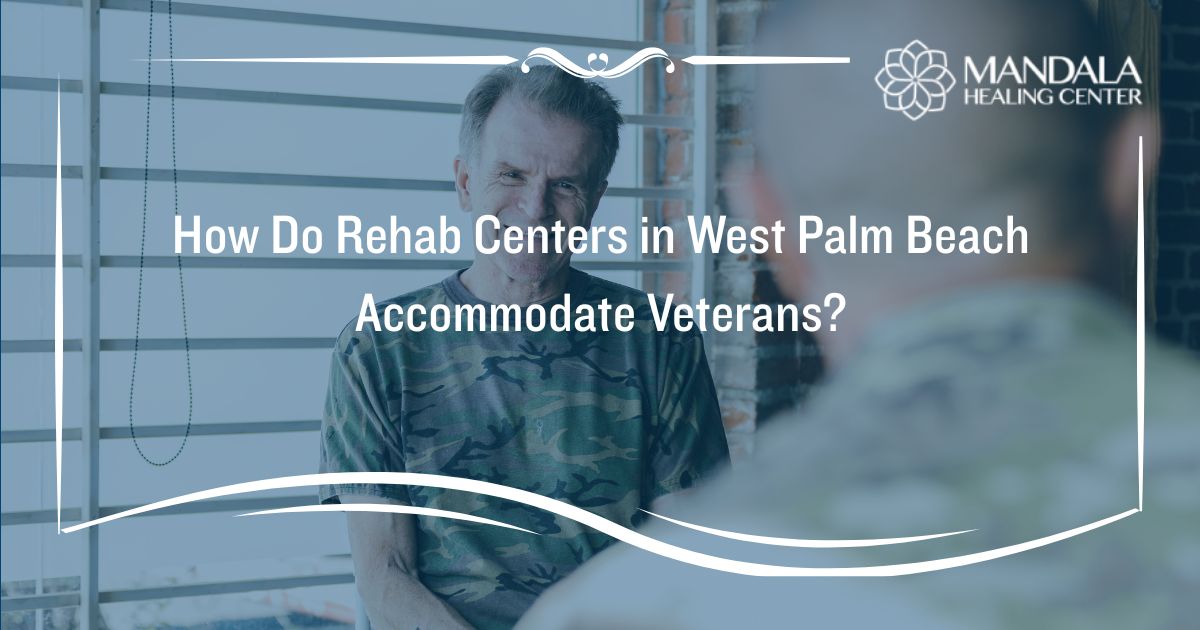
Veterans returning from military service often face a new kind of battle—the fight against addiction, mental health issues, and post-traumatic stress disorder (PTSD). For many veterans in West Palm Beach, this struggle is compounded by challenges in accessing appropriate care and support.
Fortunately, rehabilitation facilities across Palm Beach County are stepping up to meet the unique needs of military personnel through specialized addiction treatment, mental health services, and tailored support programs.
This article explores how rehab for veterans in West Palm Beach is structured, what kinds of programs are available, and how local centers provide healing environments where veterans can rebuild their lives.
Understanding the Unique Needs of Veterans
Veterans carry experiences that differ significantly from the general population. Exposure to combat, extended periods of separation from family, and life-threatening situations can leave lasting psychological scars.
Many veterans have post-traumatic stress disorder (PTSD), depression, anxiety, and other mental health disorders. These issues often coexist with substance use disorders, a condition known as co-occurring disorders or dual diagnosis.
Because of these complexities, addiction treatment for veterans requires a comprehensive, multi-layered approach that includes both mental health treatment and support for substance use recovery.
West Palm Beach: A Supportive Hub for Veteran Recovery
West Palm Beach, located in South Florida, is home to a number of rehabilitation facilities and resources that specifically serve veterans. Many of these centers collaborate with the Veterans Administration (VA) to ensure West Palm Beach veterans have access to affordable and effective care. The proximity of the West Palm Beach VA Medical Center enhances this network of support, offering both medical and psychiatric services to veterans across the region.
Some facilities in the area are Joint Commission-accredited, which means they adhere to the highest standards in health and safety —a crucial distinction when choosing the right center for a loved one or family member.
Tailored Programs for Veterans
Veteran treatment programs provide individualized support tailored to meet the unique needs of this group. Here is an overview of the types of treatment programs available to address veteran substance use disorder (SUD).
Residential Treatment Programs
Veterans facing severe addiction and mental health problems often benefit most from residential treatment. These programs provide 24/7 care in a structured setting, enabling patients to focus solely on recovery without outside distractions or triggers.
Inpatient treatment typically includes:
- Detox services to manage withdrawal safely
- Individual therapy
- Group counseling
- Evidence-based therapies such as Cognitive Behavioral Therapy (CBT) and Eye Movement Desensitization and Reprocessing (EMDR)
- Trauma processing
- Medication management
Residential care also fosters peer connection among veterans, creating an environment of shared experience and mutual support.
Partial Hospitalization and Intensive Outpatient Programs
For those who don’t need full-time care or who are transitioning out of inpatient programs, partial hospitalization (PHP) and intensive outpatient programs (IOPs) offer structured treatment while allowing participants to live at home or in transitional housing.
These programs generally include:
- 20–30 hours of weekly therapy
- Access to mental health care providers
- Relapse prevention education
- Life skills training
- Medication-assisted treatment when needed
PHPs and IOPs are excellent options for many veterans who require continued support as they reintegrate into civilian life.
Mental Health Care: A Key Component
Mental health issues are often the root cause of substance use in veterans. Unaddressed PTSD, depression, and anxiety can contribute to cycles of self-medication using drugs or alcohol. Therefore, top rehabilitation facilities in West Palm Beach, FL, emphasize mental health treatment as an integral part of recovery.
Services often include:
- Psychiatric evaluation
- Treatment for mental health disorders and co-occurring disorders
- Individualized care plans
- Trauma-informed care
- Group therapy sessions
- Family therapy to help families understand and support the recovery process
Comprehensive mental health treatment allows people to address the roots of their mental health symptoms and work toward meaningful, lasting improvements in their symptoms.
Specialized Veteran Programs and Services
Many veterans require specialized services and support during the rehab process. Here is a closer look at the specialized programs and services available for veterans.
Blind Rehabilitation Center
For veterans with visual impairments—whether sustained in combat or due to later-life conditions—the Blind Rehabilitation Center at the West Palm Beach VA offers specialized care. This facility provides adaptive skills training, therapy, and mental health support specifically designed for the visually impaired veteran community.
Veterans-Only Group Therapy
Many veterans find it easier to open up when surrounded by others who understand their unique struggles. Several rehabilitation facilities in Palm Beach offer group therapy sessions exclusively for veterans. These groups create a sense of camaraderie and help participants feel less isolated in their experiences.
Women Veterans Programs
Women veterans face different challenges, often including trauma related to military sexual assault or combat-related stress. Some centers in West Palm Beach offer gender-specific therapy tracks, enabling women to process their experiences in a supportive and safe space.
[elementor-template id=”173075″]
Collaboration with the Veterans Administration
The Veterans Administration plays a vital role in making treatment accessible. Veterans can often use VA benefits to cover the cost of addiction and mental health treatment at both VA and community-based centers.
Many facilities work directly with the VA to:
- Verify eligibility
- Coordinate care plans
- Ensure continuity between VA and private-sector services
- Assist with transportation and logistics
Veterans should always ask a prospective rehabilitation facility if it accepts VA insurance or can assist in connecting with the West Palm Beach VA.
Building a Compassionate Treatment Team
Every patient deserves a compassionate and experienced treatment team. In West Palm, providers serving veterans are often trained in trauma-informed care and experienced in treating dual diagnosis cases.
Teams may include:
- Physicians and psychiatrists
- Licensed therapists
- Case managers
- Peer support specialists (many of whom are veterans themselves)
- Nurses and medical staff
This team-based model ensures that all aspects of a veteran’s health—physical, emotional, and psychological—are addressed in a coordinated manner.
Creating a Healing Environment
The warm climate and scenic beauty of Palm Beach County offer a peaceful setting that can contribute to the healing process. Many rehabilitation facilities in the area are located near tranquil beaches, nature preserves, and supportive communities, giving veterans a reprieve from the chaos that often surrounds substance abuse.
Facilities also foster healing by:
- Providing healthy meals
- Encouraging physical fitness
- Offering holistic therapies (e.g., yoga, meditation, art therapy)
- Supporting the development of new routines and daily structure
The Mandala Healing Center offers holistic, comprehensive care to veterans navigating substance abuse and addiction. Contact our specialists to learn more about our programs or to schedule an intake appointment.
Helping Veterans Reclaim Their Lives
At its core, rehab for veterans in West Palm Beach is about restoring dignity, purpose, and hope. Recovery is not just about abstaining from drugs or alcohol—it’s about rebuilding lives, mending relationships, and rejoining society with confidence.
Through comprehensive care—spanning detox, residential treatment, outpatient services, and long-term support—veterans are empowered to overcome substance use disorders and heal from invisible wounds.
Getting Started: What Families Can Do
If your loved one is a veteran struggling with addiction or mental health issues, you can take steps to help them navigate challenges and work toward long-term recovery.
You can help by:
- Reaching out to local centers in West Palm Beach, FL
- Encouraging your loved one to contact the Veterans Administration
- Researching VA benefits that can offset the cost of care
- Attending family support groups
- Learning about mental health and substance abuse to better understand the process
The first step toward healing begins with understanding—and with access to the right programs, resources, and providers, recovery is possible.
Find Veterans Rehab in West Palm Beach
Veterans have served our country with courage and selflessness. When they return home burdened by substance use, mental health problems, or trauma, it’s our responsibility to ensure they receive the compassionate, comprehensive care they deserve.
If you or a loved one requires specialized addiction treatment for veterans, reach out to the Mandala Healing Center. Learn about our programs, find recovery resources, or schedule an intake appointment by contacting our specialists today.
Frequently Asked Questions About Addiction Treatment for Veterans
1. How can veterans without VA benefits access treatment in West Palm Beach?
Veterans without active VA benefits can still receive care through state-funded programs, nonprofit organizations, or rehabilitation centers that offer sliding scale payment options.
Some facilities in Palm Beach County partner with community health initiatives or offer scholarships specifically for veterans. It’s important to contact individual centers to ask about financial aid, payment plans, or referrals to local support agencies.
2. Are there long-term sober living options for veterans after treatment?
Yes, many West Palm Beach rehab centers provide or connect patients with transitional housing or sober living environments that are specifically designed for veterans. These homes offer a structured, drug-free setting with peer accountability and continued access to therapy or support groups. They’re especially helpful for veterans adjusting to civilian life after inpatient or intensive outpatient care.
3. What role do families play in a veteran’s recovery journey?
Family involvement is often encouraged and considered crucial to a veteran’s long-term recovery. Many centers offer family therapy, education workshops, or visitation days. These services help loved ones understand addiction and mental health, improve communication, and create a stronger support system at home. Some programs also offer resources specifically for spouses or children.
4. Can veterans receive treatment while still serving in the military reserves or National Guard?
Yes, service members in the reserves or National Guard may still access treatment, but they should first consult their commanding officer or a military caseworker to avoid conflicts with duty schedules or security clearances. Some facilities in West Palm Beach offer flexible outpatient programs that accommodate military obligations and privacy concerns.
5. Are treatment programs in West Palm Beach LGBTQ+ inclusive for veterans?
Many rehab centers in the area are LGBTQ+ affirming and provide safe, inclusive environments for all veterans, regardless of sexual orientation or gender identity. Some facilities may offer LGBTQ+ support groups or therapy tracks tailored to unique experiences, including trauma or discrimination encountered during or after military service.
6. What happens if a veteran relapses after treatment?
Relapse is not uncommon and does not mean failure. Veterans who relapse can often return to care through step-up services like partial hospitalization or intensive outpatient programs. Most centers in West Palm Beach have relapse prevention plans and aftercare services in place to support veterans during high-risk periods and help them re-engage in recovery quickly and without judgment.
Sources


-

How Long Does Buprenorphine Stay in Your System?
May 19, 2026
-
How Much Does a Detox Program in West Palm Beach Cost?
April 28, 2026
-
How Long Do South Florida Rehab Programs Typically Last?
April 21, 2026
-
What Does Freebasing Mean?
April 13, 2026
-
How to Get Florida Medicaid to Pay for Drug & Alcohol Rehab Services
April 10, 2026