 Skip to the content

If you or someone you love is ready for treatment, the first step is one call. Our drug and alcohol rehab in West Palm Beach starts with a confidential assessment.
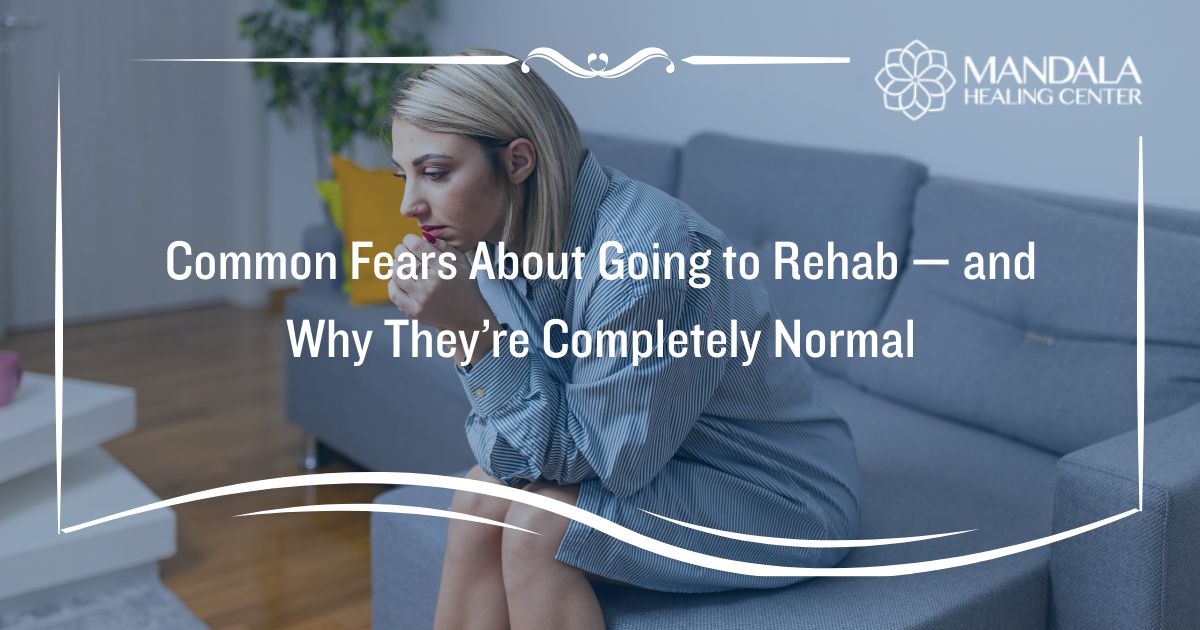
When you’re struggling with addiction, deciding to get help is a powerful step. But for many people, fears about going to rehab can feel overwhelming. You may feel scared, uncertain about what lies ahead, or unsure if you’re ready for the significant life changes that come with entering treatment.
The truth is, these fears are completely normal. Many people feel anxious, uncertain, or afraid of going to rehab.
Whether you’re worried about leaving your daily routine, experiencing withdrawal symptoms, or facing the stigma surrounding addiction, you’re not alone. Many people fear rehab. But understanding these concerns — and how they can be addressed — is the first step toward overcoming addiction and reclaiming your life.
[elementor-template id=”173075″]
Fear #1: “What if I fail?”
Self-doubt is one of the most common fears when seeking addiction treatment. Many people worry they won’t succeed, or that they’ll relapse during early recovery. This fear can be deeply rooted in past experiences or self-sabotage.
Why it’s normal: Recovery is not a straight line. It’s common to struggle in the early stages, especially if you’ve been using an addictive substance for a long time. But addiction recovery is about progress, not perfection. A good treatment plan includes support, tools, and strategies for handling setbacks.
How to cope: Choose an addiction treatment center that offers support groups, such as Alcoholics Anonymous or Narcotics Anonymous, and provides aftercare. These connections with supportive individuals make a huge difference for long-term success.
Fear #2: “What will people think?”
The stigma surrounding addiction is a powerful barrier that keeps many from seeking treatment. Whether it’s fear of judgment from family members, coworkers, or society, it can feel easier to hide the problem than to face it.
Why it’s normal: Substance use disorder affects millions, but many still view it as a moral failing rather than a health condition. That perception can cause shame, guilt, and isolation.
How to cope: Remember, mental health issues and substance abuse are medical concerns — not character flaws. Finding trusted friends or family who support your decision can significantly alleviate this fear. Many treatment programs also offer family education and therapy to help loved ones understand the process.
Fear #3: “I don’t know what to expect.”
The unknown is intimidating. From the initial assessment to detox to therapy, the rehab process can feel like a mystery. People worry about losing freedom, the schedule, and how they’ll be treated.
Why it’s normal: If you’ve never been through a rehab program, it makes sense that you might feel uncertain. The lack of clear information often fuels anxiety.
How to cope: Most addiction treatment centers offer consultations or online resources to walk you through the steps. These often include an initial assessment, customized treatment options, therapy sessions, and group support. Knowing what to expect can help manage anxiety and foster a more positive mindset.
Fear #4: “I’ll have to give up everything.”
Many people with a substance use disorder fear that seeking support means losing their identity, friends, or even their job. Others worry that life after rehab will be boring or empty without the substance.
Why it’s normal: When substance use becomes part of your daily life, imagining anything different can be difficult — and even painful.
How to cope: A quality treatment program helps you rediscover purpose and joy. It also introduces new coping tools and achievable goals to help rebuild your life. While it’s true that recovery may require ending some relationships or routines, what you gain — health, connection, self-respect — far outweighs what you leave behind.
Fear #5: “I won’t be able to handle the withdrawal symptoms.”
Withdrawal symptoms are real and can be physically and emotionally intense. Whether it’s alcohol, opioids, or other drugs, people often delay entering rehab because they fear the discomfort of detox.
Why it’s normal: Fear of pain or discomfort is a natural reaction. Especially if you’ve gone through withdrawal before, the memory can feel unbearable.
How to cope: The good news is that addiction treatment includes medical support to help you detox safely. Many treatment programs use medications and professional monitoring to ease symptoms and keep you comfortable. You won’t be alone — and the discomfort is temporary compared to the lifelong benefits of recovery.
Fear #6: “Therapy won’t help me.”
People often feel skeptical about therapy, especially if they’ve never tried it or had a bad experience in the past. They may wonder if it will feel forced or if they’ll be expected to share too much.
Why it’s normal: Being vulnerable takes courage, and for someone struggling with substance use, opening up can feel threatening.
How to cope: Therapy in rehab isn’t about judgment — it’s about addressing underlying issues that contribute to addiction. These may include trauma, stress, mental health disorders, or family conflict. Whether it’s individual therapy, group sessions, or trauma-informed care, it’s all designed to help you heal, not to force you to change.
Fear #7: “It’s too expensive.”
Payment plans and the overall cost of rehab are legitimate concerns. Many addicts and families worry about how they’ll afford treatment.
Why it’s normal: The financial burden of rehab can seem daunting, especially if addiction has already impacted your work, relationships, or physical health.
How to cope: Many addiction treatment centers offer sliding scale fees, insurance billing, and payment plans. Don’t let assumptions stop you from reaching out — you may have more options than you think. And consider this: continuing addiction also has financial costs — medical bills, legal fees, lost income — that often outweigh the price of seeking addiction treatment.
Fear #8: “My problems aren’t serious enough.”
Many people minimize their struggles, believing others have it worse or that they should be able to quit on their own.
Why it’s normal: Denial is a common part of addiction. It helps avoid change and preserves the illusion of control.
How to cope: If drug use or alcohol use is interfering with your mental and physical health, relationships, or job, it’s serious. Rehab isn’t just for rock-bottom cases. It’s for anyone who wants to break the cycle and build a healthier future.
Fear #9: “I don’t want to feel alone.”
Leaving behind your environment, friends, and daily routine can feel isolating. People fear being surrounded by strangers or being cut off from loved ones.
Why it’s normal: Humans are wired for connection. Addiction itself often thrives in secrecy or unhealthy relationships — so stepping into something unfamiliar can feel like stepping into loneliness.
How to cope: Rehab is a place to seek support, not isolation. You’ll meet people who understand your journey, join support groups, and build a new network of supportive individuals. You’ll also likely reconnect with loved ones in healthier ways, with the help of family therapy.
Fear #10: “What happens after rehab?”
Many people with an addiction fear what comes next. Early recovery can be full of questions: Will I relapse? How do I rebuild my life? Will I feel fulfilled?
Why it’s normal: Change is hard — even positive change. The future is unknown, and uncertainty breeds fear.
How to cope: A good rehab program prepares you for life after treatment. This includes relapse prevention planning, sober living support, and ongoing therapy. With the right tools and treatment plan, the transition becomes more manageable. Your recovery journey doesn’t end with rehab — it begins there.
Find Support and Treatment Now
It’s okay to be afraid. Many people with a substance use disorder experience fear when taking the first step toward seeking addiction treatment. Whether you’re scared of change, judgment, pain, or failure, you’re not alone. These common fears don’t mean you’re weak. They mean you’re human.
If you or someone you love is struggling with substance use, don’t wait. Find the support and treatment you need to overcome SUD at the Mandala Healing Center. Learn about your treatment options or schedule an intake appointment by reaching out today.
Frequently Asked Questions
1. How long does rehab typically last?
Rehab programs vary in length depending on the individual’s needs, the severity of the substance use disorder, and the type of treatment program. Standard durations include 30, 60, or 90 days. Some people benefit from longer-term programs or outpatient care after inpatient rehab. A personalized treatment plan is typically developed during the initial assessment.
2. Can I keep my job while in rehab?
Yes, in many cases. Outpatient treatment options allow individuals to continue working while attending therapy sessions. For those in inpatient rehab, the Family and Medical Leave Act (FMLA) may provide job protection during addiction treatment. It’s essential to check with your employer’s HR department and, if needed, discuss leave policies confidentially.
3. What should I bring with me to rehab?
Each addiction treatment center will provide a list of allowed and prohibited items. Generally, you should bring comfortable clothing, personal hygiene items (without alcohol), necessary medications, and a journal. Items such as phones or laptops may be restricted under the facility’s rules. Some centers encourage bringing photos or small items that bring comfort.
4. Will I be able to communicate with my family during rehab?
Most treatment programs allow contact with family members, though it may be limited in the early stages to help you focus on recovery. Many centers incorporate family therapy or family visit days to rebuild trust and improve communication. Ask the facility about its specific policy on calls, visits, and mail.
5. What happens if I relapse after rehab?
Relapse doesn’t mean failure — it’s a common part of the recovery journey. If it happens, it’s important to seek help immediately. Many people return to treatment with a clearer understanding of their triggers and needs. Some rehab programs offer alumni services or aftercare plans to support you in these moments.
6. Are there rehab options for people with co-occurring mental health disorders?
Yes. Many centers specialize in dual diagnosis treatment, which addresses both mental health issues and substance abuse. Treating both conditions together is crucial for long-term success, as unresolved mental health symptoms can often trigger relapse. Look for programs with licensed mental health professionals and integrated mental health treatment.
- SAMHSA: Finding Treatment for Co-Occurring Substance Use and Mental Disorders
- CDC: Treatment of Substance Use Disorders
- National Library of Medicine: Evidence-Based Practices for Substance Use Disorders
- APA: What is a Substance Use Disorder
Previous in this series: Cognitive Behavioral Therapy · Next in this series: Confidentiality Hipaa And Patient Rights
Learn more about residential addiction treatment.
Previous in this series: Cognitive Behavioral Therapy for Addiction Treatment · Next: Contingency Management in Addiction Treatment



-

How to Get Into Rehab Quickly in Florida
September 30, 2026
-

Can You Go to Rehab Without Detoxing First?
September 24, 2026
-

Can You Become Addicted to Alcohol Without Drinking Every Day?
September 19, 2026
-

Inpatient vs. Outpatient Rehab: Which One Is Right for You?
September 14, 2026
-

What to Look for in an Addiction Treatment Center in West Palm Beach
September 9, 2026