In recent decades, Acceptance and Commitment Therapy (ACT) has emerged as one of the most influential third-wave behavioral therapies in treating a range of mental health concerns—including substance use disorders. Grounded in contextual behavioral science, ACT takes a unique approach to helping individuals overcome psychological distress and substance abuse, not…



Recovering from addiction is a monumental step in reclaiming your life—and your career. One of the first challenges many face in early recovery is returning to the workforce after a career break. The job market can be competitive, and gaps in your resume caused by substance use disorder, family caregiving,…
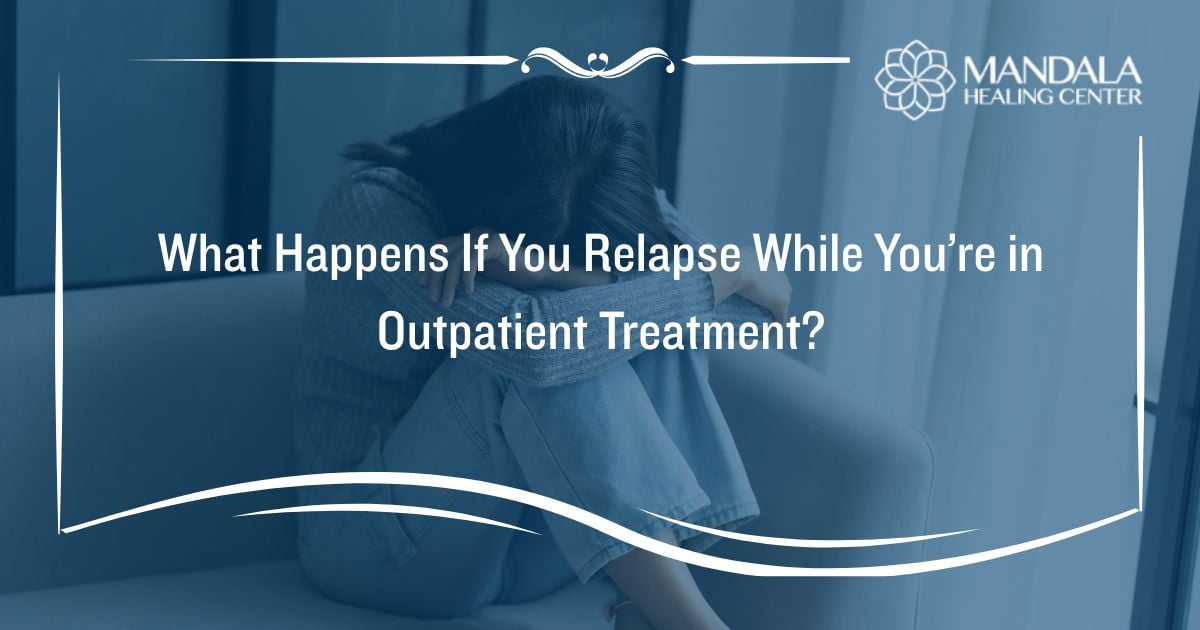
Relapse is a common and often misunderstood part of the addiction recovery process. For individuals enrolled in an outpatient treatment program, experiencing a relapse can feel like a personal failure. However, clinical research and addiction specialists widely acknowledge that substance use disorders are chronic illnesses — similar in nature to…

Completing rehab is a significant milestone for anyone struggling with substance use disorders. But for many patients, the real challenge begins after they leave rehab. Without a solid addiction treatment aftercare plan, even the most effective treatment programs can fall short. Recovery doesn't end when inpatient treatment or residential addiction…

-

How Much Does Outpatient Detox Cost in West Palm Beach?
June 26, 2026
-
Can I Get Same-Day Detox Admissions in Palm Beach County?
May 30, 2026
-
How Long Does Buprenorphine Stay in Your System?
May 19, 2026
-
How Much Does a Detox Program in West Palm Beach Cost?
April 28, 2026
-

How Long Do South Florida Rehab Programs Typically Last?
April 21, 2026