
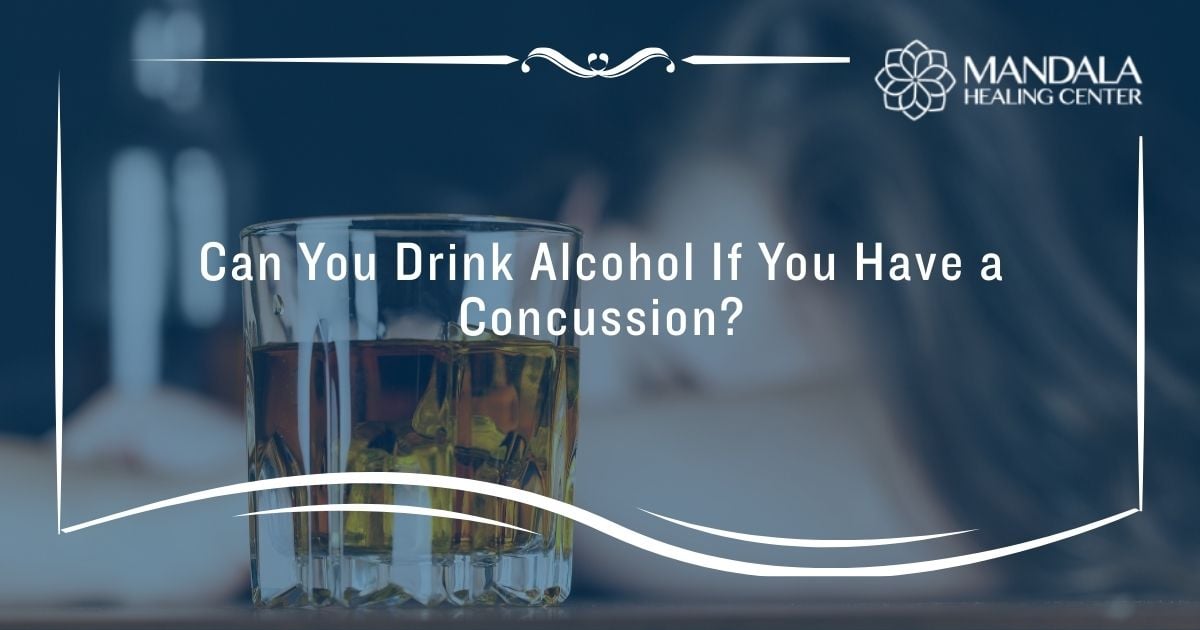
A concussion may seem like a minor injury, but it is actually a form of mild traumatic brain injury. Even when symptoms feel manageable, the brain needs time and protection to heal. Many people wonder: Can you drink alcohol with a concussion? People may be curious about the possibility of drinking during concussion recovery, especially if symptoms seem mild or if social situations involve alcohol.
For people already struggling with alcohol use, the question can feel even more complicated. Understanding how alcohol consumption affects the brain after a head injury is an important step toward protecting your health and supporting the recovery process.
This article explains why drinking alcohol after a concussion can be dangerous, how it affects the brain’s healing process, and what people recovering from a concussion should know before considering alcohol after a concussion. If you or a loved one needs professional support to address alcohol abuse or addiction, find comprehensive care at the Mandala Healing Center.
Understanding Concussions and Brain Injuries
A concussion is a type of traumatic brain injury that disrupts normal brain function. It happens when the brain moves rapidly inside the skull after a hit, fall, or other impact to the head. Even when the injury is labeled an acute concussion, it still affects the central nervous system and the delicate communication between brain cells.
Common concussion symptoms may include:
- Headache
- Dizziness
- Brain fog
- Sleep difficulties
- Sensitivity to light or sound
- Cognitive difficulties, such as trouble with problem-solving
- Trouble focusing or remembering information
Some people also experience slurred speech, impaired coordination, or slower reaction times shortly after a brain injury. These symptoms occur because the injury disrupts normal brain activity and changes brain chemistry.
In many cases, symptoms improve within a few weeks. However, some individuals develop lingering problems known as post-concussion syndrome, where post-concussion symptoms such as headaches, fatigue, and cognitive problems continue long after the initial injury. Because the brain controls nearly every function in the body, protecting brain function during brain injury recovery is essential.
Why Alcohol and Concussions Are a Risky Combination
Many people assume that just one drink or one or two drinks will not cause harm. However, the brain is especially vulnerable after a concussion. When you consume alcohol, it directly affects the nervous system. Alcohol slows brain communication, alters memory retention, and reduces coordination. After a concussion, these effects can significantly worsen concussion symptoms.
Alcohol can also increase the risk of further injury. When someone drinks after a head injury, their impaired coordination and poor decision-making may make them more likely to fall or suffer secondary injuries. A second blow to the head during recovery can cause a second concussion, which carries critical risks for lasting brain damage.
Even moderate alcohol intake may produce adverse effects in people with a concussion because the injured brain processes substances differently. This is one reason many healthcare experts strongly recommend patients avoid alcohol until the brain has healed.
How Alcohol Interferes With Brain Healing
The brain relies on a delicate balance of chemical signals and electrical activity to repair itself after injury. During concussion healing, the brain is working to restore normal communication between cells. Unfortunately, alcohol interferes with this process.
Alcohol affects the brain’s ability to regulate neurotransmitters and energy use. This disruption can lead to impaired brain healing, delaying the healing process that supports brain recovery.
Research also shows that alcohol reduces sleep quality. While some people believe alcohol helps them fall asleep faster, it often leads to fragmented rest and sleep difficulties later in the night. Good sleep is essential for post-concussion recovery, so disrupted rest can slow physical recovery and increase recovery time.
When alcohol is added during brain injury recovery, the result may be:
- Increased symptoms such as headaches or dizziness
- Greater brain fog and confusion
- More severe cognitive problems
- Longer overall recovery
For concussion patients, this means that adding alcohol during the healing stage can make symptoms worse and extend the time it takes to feel normal again.
Alcohol and Post-Concussion Symptoms
One of the most common concerns for people with concussions is the persistence of symptoms after the initial injury. Some individuals develop post-concussion syndrome, where symptoms continue for months.
These lingering issues may include:
- Persistent headaches
- Cognitive difficulties
- Mood changes
- Trouble concentrating
- Balance problems
Alcohol can make these post-concussion symptoms more severe. Because alcohol slows brain function and affects the central nervous system, it can intensify dizziness, fatigue, and memory issues.
People often report that alcohol makes symptoms worse, including brain fog, poor concentration, and difficulty with problem-solving. Even small amounts of alcohol may lead to worsening symptoms the following day. For individuals already experiencing post-concussion, alcohol may also trigger increased symptoms such as headaches or sensitivity to light.
The Link Between Alcohol, Mood, and Brain Injury
Concussions can affect emotional regulation because the injury disrupts areas of the brain involved in mood. As a result, some people experience irritability, anxiety, or depression during recovery. Alcohol complicates this further.
Because alcohol has depressive effects on the brain, it can worsen existing emotional challenges and increase the likelihood of mood disorders. Alcohol also changes brain chemistry, which may intensify feelings of sadness or frustration.
In some cases, people who previously tolerated alcohol well experience reverse alcohol tolerance after a concussion. This means the body reacts more strongly to alcohol, and smaller amounts lead to stronger effects. For someone already coping with cognitive function changes or emotional stress after a concussion, alcohol can amplify these challenges and make recovery more difficult.
Increased Medical Risks After a Concussion
Beyond worsening symptoms, alcohol may create additional medical concerns during recovery from a concussion. For example, alcohol may increase the risk of post-traumatic seizures, particularly in people with more serious brain injuries. Because alcohol affects the central nervous system, it can destabilize brain activity during a vulnerable time.
Alcohol can also mask symptoms that signal complications. Someone who has been drinking may not recognize the warning signs of brain damage or a worsening injury. In addition, alcohol impairs judgment and coordination. This creates a significant risk for accidents that may cause further injury or another blow to the head. For individuals recovering from a concussion, these risks highlight why healthcare experts recommend avoiding alcohol entirely until the brain has stabilized.
When Is It Safe to Drink Again?
The safest approach is to avoid alcohol until a medical professional confirms that the brain has healed. Every concussion is different, so the timeline varies depending on the injury and the person’s health. Many people need at least several weeks of rest before symptoms resolve. However, some individuals may require longer to recover fully.
Before returning to alcoholic beverages, it is wise to speak with a healthcare provider or healthcare professional. They can evaluate lingering symptoms and determine whether the brain has regained normal brain function. If a person chooses to drink after medical clearance, moderation is important. Even then, people may notice that alcohol affects them differently after a concussion.
Why People in Recovery Should Be Especially Careful
For individuals already facing challenges with alcohol use, the decision to drink after a concussion carries additional weight. Alcohol dependence can increase the likelihood of poor decision-making, particularly when dealing with pain, stress, or frustration during recovery. In these situations, alcohol may seem like a temporary escape, but it can slow healing and increase the chance of complications.
People recovering from substance misuse may also be more vulnerable to injuries caused by impaired coordination or slower reaction times while drinking. These factors raise the likelihood of secondary injuries and repeated head trauma. For these reasons, avoiding alcohol entirely during concussion recovery is often the healthiest choice.
Protecting Your Brain During Recovery
Healing from a concussion requires patience and support. Protecting the brain during the recovery process can make a significant difference in long-term health.
Helpful steps include:
- Following guidance from a healthcare provider
- Getting consistent, high-quality sleep
- Limiting screen time if symptoms worsen
- Gradually returning to normal activities.
- Avoiding alcohol until medically cleared
These strategies support the brain’s natural repair systems and help restore brain function as efficiently as possible.
The Bottom Line
So, can you drink alcohol with a concussion? The safest answer is no. Alcohol affects the central nervous system, disrupts brain chemistry, and can delay the healing process that allows the brain to recover.
During concussion recovery, drinking alcohol may:
- Worsen concussion symptoms
- Increase the risk of secondary injury
- Prolonged recovery time
- Interfere with brain injury recovery.
For anyone recovering from a concussion, protecting the brain should be the priority. Waiting until symptoms are gone and a healthcare professional confirms you are fully recovered is the best way to avoid unnecessary risks.
For individuals struggling with alcohol misuse, a concussion can be an important moment to reconsider the role alcohol plays in health and recovery. Giving the brain time and space to heal is one of the most powerful steps you can take toward lasting wellness.
Find Treatment and Support Now
If you or someone you love struggles with alcohol abuse or addiction, you are not alone. If you cannot stop drinking during treatment for a concussion or another medical reason, it may be a sign you need professional support to address alcohol use disorder (AUD).
Find comprehensive assessment, treatment, and recovery support programs at the Mandala Healing Center. Explore our programs, verify your insurance, or schedule an intake appointment by contacting our recovery specialists today.
Frequently Asked Questions
How long should you wait before drinking alcohol after a concussion?
The exact timeline varies depending on the severity of the injury and how quickly symptoms resolve. Many healthcare providers recommend avoiding alcohol for at least several weeks while the brain stabilizes. The safest approach is to wait until a healthcare professional confirms that your brain function has returned to normal and that you are fully recovered. Drinking too soon may increase recovery time or cause symptoms to return.
Why do some people feel more sensitive to alcohol after a concussion?
After a brain injury, the brain may process substances differently. Changes in brain chemistry and nervous system regulation can make people feel the effects of alcohol more strongly than before. Some individuals develop what is known as reverse alcohol tolerance, where smaller amounts of alcohol produce stronger effects such as dizziness, confusion, or fatigue. This heightened sensitivity may persist for some time during recovery.
Can alcohol make it harder to tell if a concussion is getting worse?
Yes. Alcohol can mask warning signs that indicate a complication or worsening brain injury. Because alcohol can cause symptoms like dizziness, fatigue, or confusion, it may be difficult to recognize when concussion-related symptoms are becoming more serious. This can delay medical care and increase the risk of complications following a head injury.
Are there long-term risks if someone regularly drinks after a brain injury?
Repeated alcohol use after a brain injury may increase the likelihood of long-term cognitive problems. Alcohol can place additional stress on the brain while it is still recovering, potentially affecting memory, concentration, and emotional regulation. Over time, this may contribute to persistent cognitive difficulties or make post-concussion symptoms last longer than expected.
Sources


-

How Much Does a Detox Program in West Palm Beach Cost?
April 28, 2026
-
How Long Do South Florida Rehab Programs Typically Last?
April 21, 2026
-
What Does Freebasing Mean?
April 13, 2026
-
How to Get Florida Medicaid to Pay for Drug & Alcohol Rehab Services
April 10, 2026
-
How Long Does Klonopin Stay in Your System?
April 9, 2026