 Skip to the content

Recovery is closer than it feels. Our West Palm Beach addiction treatment offers medical detox, residential care, and aftercare planning under one roof.
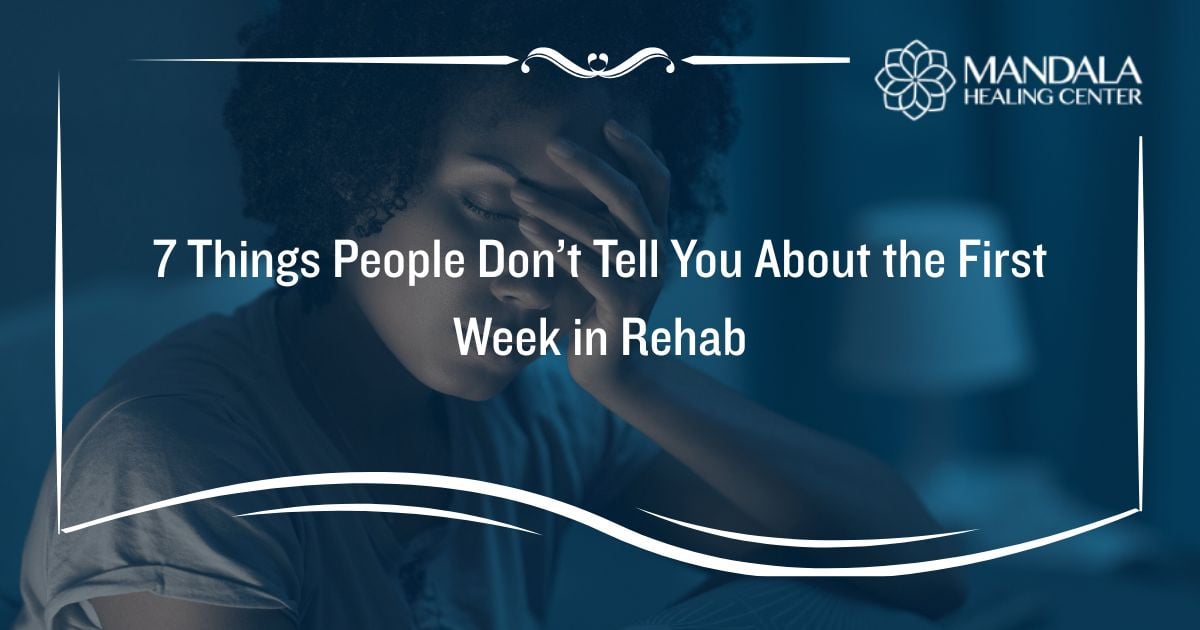
When you hear about rehab—especially for substance use disorders—there’s usually a cinematic overtone—sweaty detox, crying in group therapy, the dramatic “aha” moment of change. But what’s missing from those portrayals is often what matters most: the everyday reality of the first week.
The early stages of addiction treatment are a turning point. Whether you’re entering a treatment center for alcohol addiction, drug use, or co-occurring disorders, that first week in a rehab facility isn’t just the start of recovery—it’s the start of facing yourself.
If you or someone you love is about to enter rehab, here are seven things people rarely tell you about what that first week actually feels like.
1. The Intake Process Feels Overwhelming—And That’s Normal
Before you unpack your bag, you’ll go through intake. This is where a medical professional or admissions team gathers your personal, medical, and substance use history. Expect questions about your drug or alcohol use, mental health status, medications, and past attempts at recovery.
This process can take about an hour, but emotionally, it can feel longer. You’re sharing deeply personal information with strangers. But remember: this isn’t judgment. It’s the first step in building an individualized treatment plan tailored to your needs.
A solid intake helps the treatment center match you with the right therapies, medication, and support structures for your recovery process.
2. You Might Feel Worse Before You Feel Better
Let’s talk withdrawal. Depending on the substance and the length of your drug or alcohol use, withdrawal symptoms during detox can range from uncomfortable to medically serious. Symptoms may include nausea, anxiety, tremors, sweating, irritability, or even hallucinations and seizures in severe cases.
Many treatment centers offer medically supervised detox with over-the-counter medications and prescription treatments to manage symptoms. But even with support, withdrawal is physically and emotionally taxing.
Why it matters: Knowing that this is temporary—and survivable—helps you stay grounded. This is your body healing. And that healing is hard work.
According to the Substance Abuse and Mental Health Services Administration (SAMHSA), about 19.7 million American adults battled a substance use disorder in 2023. Most required supervised detox to begin recovery safely.
3. You May Not Sleep Well—But You’re Not Alone
Adjusting to a new environment while going through withdrawal can disrupt sleep. Add to that the emotional load of entering treatment, and you may find your first few nights are restless.
Rehab centers are designed to provide a therapeutic environment that supports healing. Comfortable clothing, calm routines, and a structured daily schedule help restore stability—but it can take time to adapt.
Some facilities allow light reading material, guided meditation audio, or quiet time to ease sleep. Electronic devices are usually prohibited, so consider bringing a journal or a book instead.
Sleep is essential in early recovery. Be patient with yourself—and speak to your case manager or medical team if it becomes a serious issue.
4. You Won’t “Fix” Everything in the First Week
There’s a misconception that entering treatment means you’ll have a breakthrough right away. In reality, the first week is more foundational than transformation.
You can expect to begin individual therapy sessions, attend group therapy sessions, and start setting personal recovery goals with your treatment team. You’ll meet your case manager, review your treatment plan, and possibly attend your first family therapy session (either virtually or in person).
But don’t expect closure in week one. Instead, expect progress. Getting through each day sober is a win.
Rehab isn’t about speed—it’s about sustainability. The real work is slow, deliberate, and grounded in evidence-based therapies.
[elementor-template id=”173075″]
5. Therapy Might Feel Uncomfortable—At First
Individual and group counseling are often the heart of addiction recovery. Individual addiction therapy provides a safe space to explore your thoughts, feelings, and experiences. You will learn new skills and develop deeper insight into what contributed to your substance use.
In group therapy, you’ll share space with others struggling with addiction, some new like you, others weeks or months in.
Initially, many participants feel intimidated or guarded during these sessions. That’s okay. Vulnerability is a process. As you continue to show up, listen, and perhaps speak when you’re ready, the discomfort begins to loosen.
And then something happens—you begin to connect. You see yourself in others. You realize you’re not alone.
Support groups offer the peer structure necessary to prevent relapse. Group therapy can be confronting, but it’s also incredibly validating.
6. You Might Miss the Life You’re Leaving Behind
It’s common to feel grief in early recovery. You’re not just quitting drugs or alcohol—you’re letting go of entire rituals, routines, and in some cases, relationships tied to substance use.
Even if your old life was chaotic, it was familiar. And familiarity is comforting.
During the first week in rehab, many patients feel disoriented and even homesick—even if their “home” was a toxic environment. These emotions are valid. They’re part of untangling your identity from addiction.
Recognizing this grief helps you move through it. Therapy sessions and peer support in the treatment facility will help you navigate these emotional tides.
7. Structure Will Become Your New Superpower
Rehab isn’t a free-for-all—it runs on structure. Most treatment programs are highly structured, with a schedule that includes morning wake-ups, meals, therapy sessions, recreational breaks, and lights out.
At first, this routine may feel restrictive, especially if your daily life before entering treatment was unpredictable or unstructured.
But here’s the surprising part: most people come to crave the consistency. In the chaos of addiction, time loses meaning. In recovery, structure restores a sense of agency.
A structured environment helps rewire habits. When you eventually leave the rehab facility, you’ll have the tools to build a life anchored by routine, not substance use.
The First Week Is Just the Beginning
Every journey through addiction treatment is unique, but the first week in a treatment center shares some universal truths: it’s disorienting, uncomfortable, and emotional. But it’s also powerful, brave, and deeply human.
If you’re supporting someone about to enter rehab, remind them that discomfort is not failure—it’s growth. And if you’re about to take that first step yourself, know this: everything you’re feeling is valid. You are not broken. You are beginning.
There are over 14,500 rehab centers in the U.S. offering a range of treatment options—from inpatient programs to outpatient care. Choose a program that understands your individual needs and aligns with your goals for addiction recovery.
Because the truth is, what lies ahead may not be easy. But it will be worth it. If you’re ready to start your recovery journey, find treatment, resources, and support at the Mandala Healing Center. Learn about our holistic approach to addiction recovery or schedule your intake appointment by contacting our specialists today.
Frequently Asked Questions (FAQ)
1. Can I leave rehab during the first week if I change my mind?
Yes, in most cases, you can leave a program voluntarily, especially if it is not court-mandated. However, it’s strongly encouraged to stay at least through the detox and stabilization phase. Leaving early can disrupt progress and increase the risk of relapse. If you’re feeling overwhelmed, talk to your case manager or therapist—they’re there to help you navigate those emotions.
2. What should I pack for my stay in rehab?
Most treatment centers recommend bringing:
- Comfortable clothing (7-10 days’ worth)
- Approved hygiene products (alcohol-free)
- A journal or book (reading material may be screened)
- Prescription medications (in original packaging)
Items such as electronic devices, revealing clothing, or any substances (including over-the-counter medications not approved in advance) are usually not allowed. Centers may have different policies about smoking or vaping, so be sure to check before packing those items. Each facility has its packing list, so always check in advance.
3. Will I have access to my family during the first week?
Family contact policies vary. Some facilities have a short “blackout” period during the first few days to help patients adjust without outside distractions. Others allow phone calls or virtual check-ins early on. Family therapy typically begins after the initial assessment phase, once the treatment team has a clear understanding of the dynamics involved.
4. How do treatment centers handle co-occurring mental health disorders?
If you have a co-occurring disorder—such as anxiety, depression, or PTSD—many rehab centers are equipped to offer dual diagnosis treatment. This means you’ll receive mental health care alongside substance use disorder treatment, often through a combination of medication, individual therapy, and evidence-based therapies like CBT or DBT.
5. What happens if I relapse while in rehab?
Relapse during treatment is taken seriously but not punitively. If you use drugs or alcohol during your stay, the response typically includes a reassessment of your treatment plan, additional support, or a transfer to a higher level of care if needed. The goal is always to understand what triggered the relapse and help you get back on track—not to punish you.
6. What happens after the first week in rehab?
After your first week, you’ll typically enter a more structured phase of your individualized treatment program. This may include deeper work in therapy, relapse prevention planning, life skills training, and gradually preparing for discharge or step-down care like outpatient treatment or sober living.
Sources:
- Substance Abuse and Mental Health Services Administration (SAMHSA) – 2023 National Survey on Drug Use and Health
- National Institute on Drug Abuse (NIDA) – Evidence-Based Approaches to Drug Addiction Treatment
- American Psychological Association – The Importance of Therapy in Recovery
Previous in this series: 7 Reasons To Choose Palm Beach County for Addiction Treatment · Next in this series: 7 Ways to Celebrate Sobriety Milestones
Learn more about residential addiction treatment.
Previous in this series: 7 Strategies for Dealing with Relapse Triggers · Next: 7 Ways to Celebrate Sobriety Milestones


-

What Happens When You First Enter Rehab?
October 21, 2026
-

When Should You Go to the Hospital for Alcohol Withdrawal?
October 21, 2026
-

Does Insurance Cover Drug and Alcohol Rehab in Florida?
October 13, 2026
-

Signs Your Drinking May Be Becoming a Problem
October 8, 2026
-

How to Get Into Rehab Quickly in Florida
September 30, 2026