 Skip to the content

Lasting recovery is built in structured care. Our inpatient rehab in West Palm Beach supports every stage of it.
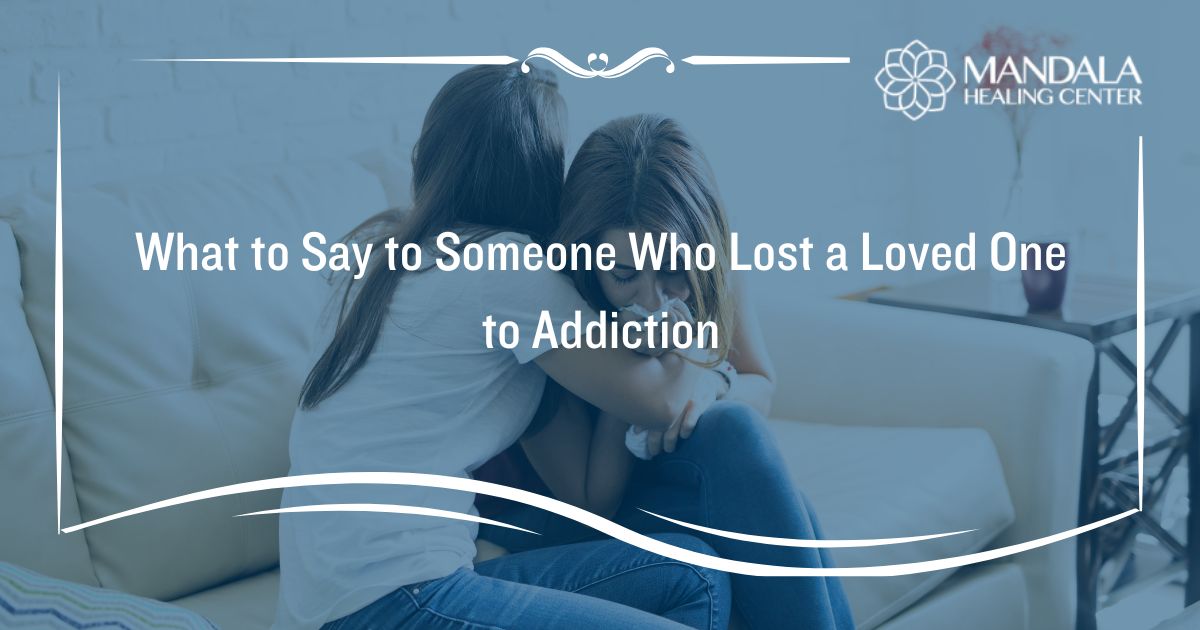
When someone you care about has lost a loved one to addiction, it can be tough to know what to say. You want to offer comfort, but you’re afraid of saying the wrong thing. You don’t want to minimize their pain, and you definitely don’t want to contribute to the stigma that so often surrounds substance use and overdose death.
This guide offers heartfelt, thoughtful ways to support a grieving person who has lost someone to drug addiction or alcohol-related illness. It’s written for family members, friends, and anyone who wants to better understand how addiction works—and how love and support can make a difference in the healing process.
Understand the Complexity of Grief After Losing a Loved One to Addiction
Grieving a loved one who died from a substance use disorder is not like grieving any other loss. It’s layered with shame, guilt, anger, and often confusion. People may question what they could have done differently, replay old phone calls, or feel haunted by their last conversation.
When someone you care about is grieving in this way, the best thing you can do is meet them where they are. Remember that not everyone grieves the same way, and there’s no “right” timeline or emotion. Some days, their heart hurts with sadness; other days, they may feel relief, and that too is valid.
What to Say (and Not Say) to Someone Who Lost a Loved One to Addiction
Many people wonder what to say to someone who has lost a loved one to substance use. It can feel awkward, and people may worry about saying the wrong thing.
Here are some things you can say and do to support someone after a loss related to addiction.
Start with Presence, Not Platitudes
Words often fall short. What grieving people need most is someone physically present, emotionally available, and willing to sit in the discomfort of their pain.
Say this:
“I don’t have the right words, but I’m here with you.”
Avoid this:
“At least they’re in a better place.”
Why? Because the grieving person may not feel that way. Their own feelings are what matter. Don’t try to fix or frame the loss; just be present.
Acknowledge the Truth of the Loss
Avoid euphemisms. Be respectful, but honest.
Say this:
“I know your loved one battled addiction. That doesn’t change how much they were loved or who they were.”
Avoid this:
“They made their choices.”
Why? Because addiction is a disease, not a moral failure. Most people don’t understand how addictive behavior rewires the brain. The more we treat substance use disorder with compassion, the more we help break the stigma.
Affirm Their Emotions Without Judgment
People who’ve lost a loved one to addiction often feel a complicated mix of grief, anger, shame, and guilt. They may say things like “I should have done more” or “Why didn’t they stop?” You don’t need to have answers. Just affirm their experience.
Say this:
“You’re allowed to feel whatever you’re feeling. This is a painful, complicated loss.”
Avoid this:
“You need to let go of the past.”
Grief unfolds in its own way, and it can be a roller coaster of emotions.
Help Them Talk About Their Loved One
People grieving a loved one’s addiction death often worry their loved one will be remembered only for how they died. You can help by focusing on beautiful memories and who they were beyond their disease.
Say this:
“What was your favorite memory with them?”
“What would they be doing if they were here today?”
This helps remind the grieving person that their loved one’s life was more than the addiction. They were a child, a parent, a friend, a whole person.
[elementor-template id=”173075″]
Offer Support That Respects Their Grieving Process
Show Up with Compassionate Action
Words are essential, but actions speak volumes. When someone is in deep emotional pain, simple gestures can mean everything.
- Send a card with a heartfelt message.
- Drop off meals or help with errands.
- Respond promptly to messages, even if just to say “thinking of you.”
- Spend time with them, even in silence.
Grief can be all-consuming, and showing up physically can help the person feel less alone.
Encourage (But Don’t Push) Support Groups
Many people find comfort in attending support groups for grief or for those affected by substance use. Groups like GRASP (Grief Recovery After a Substance Passing) or Al-Anon can be healing spaces.
Say this:
“Some people have found comfort in support groups. I can help you find one if you’d like.”
Don’t say:
“You should talk to someone.”
Let them move at their own pace. Offer support, not pressure.
Validate Their Experience Without Assigning Blame
Blame is a common emotion after a loss to drug addiction or alcohol abuse. Family members may blame themselves, the addicted person, the system, or even other friends who enabled the behavior.
Avoid fueling the blame cycle. Instead, say:
“I know you did your best in a complicated situation.”
Recognize the Signs of Ongoing Struggle
After an overdose death, the grieving person may also begin to struggle with their own mental health. Watch for signs of:
- Withdrawal from relationships
- Ignoring self-care
- Excessive use of alcohol or drugs to numb pain
- Depression, prolonged sadness, or inability to function
Encourage treatment if needed. Offer to help them explore treatment programs for grief, trauma, or addiction support.
Honor the Life and the Loss
There is dignity in telling the truth about how someone died—and how they lived. Don’t be afraid to say the words: addiction, overdose, relapse.
Grieving someone who died due to substance use takes courage.
You can help by:
- Remembering their birthday or the anniversary of their death
- Sharing a story that captures their spirit
- Donating to a treatment center in their name
- Talking about their recovery process and the times they tried to get help
This shows that their life mattered. It wasn’t defined only by the substance use disorder, but also by their efforts to battle addiction, and the people who loved them.
When the Person You’re Supporting is Also in Recovery
Sometimes the grieving person has their own history of addiction. The death of a husband, parent, child, or friend may trigger relapse, fear, or old pain.
If this is the case, be even more gentle. Let them know they are loved, and that help is available.
Say this:
“You’ve worked so hard on your recovery. I’m here to support you through this.”
If You’re Struggling to Find the Right Words
It’s okay if you feel unsure. It’s OK if you’re hurting too. The loss of someone to addiction touches entire communities, not just individual family members.
Here are a few things you can say from the heart:
- “I miss them too.”
- “They were more than their addiction.”
- “This isn’t your fault.”
- “You are not alone.”
- “I love you.”
Simple, honest words can go a long way in a world that often misunderstands the nature of substance use and its impact. Supporting someone who lost a loved one to addiction is not about having answers. It’s about offering presence, patience, and compassion in a time of deep pain.
Help them hold on to hope, not by telling them to “move on,” but by walking beside them as they navigate this journey.
Recovery—whether from addiction, grief, or trauma—is a process, not a destination. And support, both given and received, is the heartbeat of that process.
If You or Someone You Love Needs Help
If you are grieving a loss related to addiction or struggling with substance use yourself, you’re not alone. Find compassionate, holistic support and treatment at the Mandala Healing Center. Reach out to our team now to learn more about our programs or to schedule an intake appointment.
Frequently Asked Questions
1. How do I support someone who is grieving but also hiding their emotions?
It’s common for grieving people—especially after an addiction-related death—to suppress or hide their feelings due to shame or fear of judgment.
Offer support through consistent presence rather than pushing them to talk. You can say, “I’m here whenever you want to talk,” and check in regularly with low-pressure gestures like a message, a walk, or a meal. Respect their pace while making it clear that you’re a safe space.
2. Is it okay to talk about how the person died if it was due to overdose or addiction?
Yes—but only if the grieving person seems open to that conversation. When appropriate, acknowledge the reality of the addiction or overdose with compassion, not sensationalism. Avoid making the cause of death the sole focus. Instead, ask gently: “Would you like to talk about what happened?” This gives them control over what they’re ready to share.
3. Can grief after an addiction-related death trigger mental health issues?
Absolutely. Loss from overdose or substance-related illness often results in complicated grief, depression, anxiety, and even PTSD, especially if the death was sudden or traumatic. Encourage your loved one to seek professional help if they are showing signs of persistent withdrawal, hopelessness, or difficulty coping with daily life.
4. What if the grieving person blames themselves for their loved one’s addiction or death?
Self-blame is very common in these situations. You can gently remind them that addiction is a disease and not something they caused or could have fully controlled. Say something like, “You did what you could with the knowledge and resources you had at the time.” If guilt becomes overwhelming, suggest grief counseling or therapy to help them process those emotions.
5. How can I help someone who wants to take action after losing a loved one to addiction?
Some people cope with loss by channeling their energy into advocacy or education. You can support them by helping them find volunteer opportunities, fundraising events, or community organizations that raise awareness about addiction, recovery, and treatment access. Just make sure they’re not using activism to avoid grief—balance is key.
6. Are there resources specifically for families who have lost someone to addiction?
Yes. There are support groups and networks focused on families affected by overdose or substance-related deaths. Examples include GRASP (Grief Recovery After a Substance Passing), The Compassionate Friends, and Bereaved Parents of the USA. These groups offer safe spaces to connect, share stories, and navigate grief with others who understand.
Sources
- Partnership to End Addiction: Grief Resources for Families
- GRASP: Our resources and help
- Overdose Lifeline: Resources
Previous in this series: What to Expect in a Long-Term Addiction Treatment Program in Florida · Next in this series: Who Can Benefit From an Extended Addiction Treatment Program?
Learn more about residential addiction treatment.
Previous in this series: Blackout Period in Addiction Treatment · Next: Can I Go to Rehab While on Parole or Probation


-

Does Insurance Cover Drug and Alcohol Rehab in Florida?
October 13, 2026
-

Signs Your Drinking May Be Becoming a Problem
October 8, 2026
-

How to Get Into Rehab Quickly in Florida
September 30, 2026
-

Can You Go to Rehab Without Detoxing First?
September 24, 2026
-

Can You Become Addicted to Alcohol Without Drinking Every Day?
September 19, 2026