

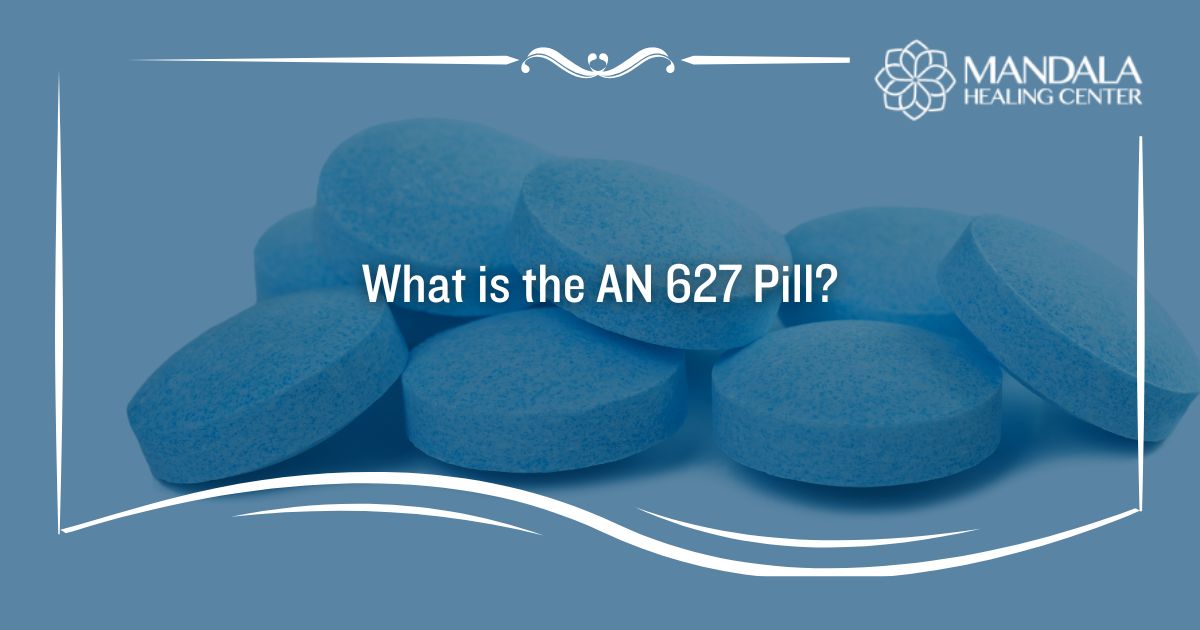
If you’ve found a pill in your loved one’s things with “AN 627” printed on it, you might wonder what it is. The AN 627 pill is a white, round tablet that contains 50mg of tramadol hydrochloride. Tramadol is an opioid analgesic that is used to treat moderate to severe pain and chronic pain.
While this pill can provide pain relief, it is also highly addictive and habit-forming. When misused, it can cause mind-altering effects like drowsiness, relaxation, and euphoria. It is also considered a central nervous system depressant, which means taking too much at once could lead to a life-threatening overdose.
Tramadol hydrochloride is also known for having drug interactions. This means you should not mix it with other drugs without consulting a healthcare provider. For example, mixing an opioid with alcohol can increase your risk of adverse effects and even overdose.
It’s also possible to have an allergic reaction to the AN 627 pill. If you’re allergic to it, you might experience symptoms like swelling, skin reactions, and respiratory problems. This is why you should never take tramadol hydrochloride without advice from a healthcare provider.
If you are addicted to tramadol hydrochloride, you’ll need professional addiction treatment. Medical detox will help you avoid withdrawal symptoms and keep you medically stable. Additionally, the inpatient treatment that the Mandala Healing Center offers allows you to uncover the root causes of your addiction, recover from mental health disorders, and develop coping skills necessary to avoid relapse.
In this article, you will learn:
- What is the AN 627 pill?
- What does tramadol treat?
- What are the side effects of tramadol?
- Does the AN 627 pill have drug interactions?
- Can you be allergic to tramadol?
- What are the signs of AN 627 pill addiction?
- What are the common withdrawal symptoms of the AN 627 pill?
- Can tramadol lead to opioid overdose?
- What other adverse reactions does the AN 627 pill cause?
- Can you recover from tramadol addiction?
- What are your treatment options?
What is the AN 627 Pill?
The AN 627 pill contains tramadol hydrochloride, an opioid analgesic that treats moderately severe pain. It works to relieve pain by stopping the brain from sending pain signals to the body. While it is used for pain relief, tramadol hydrochloride is also known for causing addiction.
Tramadol hydrochloride tablets are only available by prescription for the treatment of moderately severe chronic pain. As an opioid agonist, it is highly effective as a pain reliever; however, its propensity for addiction has caused it to be classified as a Schedule IV controlled substance.[1] This means it has a high potential for abuse, even though it has valid medicinal uses.
If you are using tramadol to treat pain, you need to be careful. Taking too much tramadol at once could lead to an intense high or even an overdose. If you repeatedly use your tramadol to experience a high, you will develop an addiction.
What Does Tramadol (an Opioid Analgesic) Treat?
The AN 627 pill is used to treat pain. It causes pain relief by affecting the brain and nervous system and stopping pain signals from reaching your body.
Tramadol hydrochloride tablets can treat:
Moderately Severe Pain
If you have moderate to severe pain after an injury, accident, or procedure, a healthcare provider might prescribe tramadol hydrochloride tablets until you heal.
That said, some studies indicate less addictive drugs offer the same pain relief as tramadol, such as the combination of ibuprofen and acetaminophen.[2] You should consider this when seeking pain medication from a doctor.
Chronic Pain
If you have a chronic pain condition and have tried less addictive options to manage your pain without success, a healthcare provider might suggest tramadol hydrochloride. While tramadol is addictive, it is not as potent as other opioids. It might be a short-term solution until you can find a safer alternative to manage your chronic pain.
What are the Effects of Tramadol?
Tramadol is an opioid analgesic, which means it relieves pain. That said, it can cause other effects. Many people who consume it experience symptoms like drowsiness, dizziness, and euphoria.
Other side effects associated with tramadol hydrochloride include:[3]
- Drowsiness and sleepiness
- Headache
- Nervousness and irritability
- Tremors or uncontrollable shaking of a part of the body
- Changes in mood
- Heartburn or indigestion
- Dry mouth
You should never take tramadol hydrochloride before operating heavy machinery. Because it causes mind-altering effects, you might be incapable of driving safely while the effects last. If you have to consume tramadol, have a friend or loved one drive you to wherever you need to go.
Does the AN 627 Pill Have Drug Interactions?
The AN 627 pill, or tramadol hydrochloride, can interact negatively with other drugs. Some of the noteworthy drug interactions include:
- Other Opioids- Combining tramadol hydrochloride with other opioids will increase your risk of experiencing respiratory depression, which is characterized by trouble breathing.
- Benzodiazepines- Using tramadol with benzodiazepines like Xanax or Klonopin can increase sedative effects, leading to severe drowsiness, slowed breathing, coma, or even death.
- Alcohol- Combining tramadol hydrochloride with alcohol can lead to respiratory depression, CNS depression, coma, and life-threatening overdoses.
- Muscle Relaxants- Mixing tramadol with muscle relaxants can lead to increased drowsiness, dizziness, and impaired motor coordination.
- Sleep Medications- Taking tramadol with sleep aids can increase the risk of respiratory depression.
- Antidepressants- Mixing tramadol with antidepressants like SSRIs, SNRIs, or MAOIs can lead to serotonin syndrome and a risk of seizures.
- Migraine Medications- Using tramadol with migraine medications like sumatriptan or rizatriptan can lead to serotonin syndrome. Serotonin syndrome can be life-threatening without medical intervention.
Always consult with a healthcare provider before combining tramadol hydrochloride tablets with other medications or substances. In addition to the serious health risks mentioned above, mixing tramadol with other mind-altering drugs increases your likelihood of developing opioid addiction.
Does Tramadol Cause Allergic Reactions?
AN 627 pills or tramadol can lead to allergic reactions in certain individuals. The symptoms can range from mild to moderate and even severe. Knowing the signs of an allergic reaction can help you contact emergency medical services before life-threatening effects occur.
The signs and symptoms of an allergic reaction to the AN 627 pill include:
- Skin Reactions- You could develop a rash, hives, and itchy skin. Severe skin rashes could involve red, swollen, blistered, or peeling skin.
- Respiratory Issues- You could experience wheezing, tightness in the chest or throat, and trouble breathing and swallowing.
- Swelling- Your face, lips, tongue, and throat could become swollen.
- Other Effects- You could become unusually hoarse, have a fast heartbeat, feel dizzy, lightheaded, faint, or experience nausea and vomiting.
If you experience any of the following symptoms after consuming the AN 627 pill, you should seek emergency medical attention immediately:[3]
- Rash, hives, and blisters
- Hoarseness
- Trouble swallowing or breathing
- Chest pain
- Swelling of the eyes, face, throat, tongue, lips, hands, feet, ankles, or lower legs
- Agitation and hallucinations
- Fever and sweating
- Mental confusion,
- Fast heartbeat and shivering
- Severe muscle stiffness or twitching,
- Loss of coordination
- Nausea, vomiting, and diarrhea
- Loss of appetite, fatigue, weakness, or dizziness
- Changes in heartbeat
- Loss of energy, drowsiness, restlessness, muscle weakness, spasms, or cramps
- Loss of consciousness
- Seizures
These symptoms indicate you are experiencing a life-threatening allergic reaction to the AN 627 pill, which means you need emergency treatment as soon as possible. Make sure you are honest with the paramedics about what substances you have taken, as they need to know to complete effective treatment.
What are the Signs of AN 627 Pill Addiction?
If you regularly take the AN 627 pill, you could be suffering from addiction. Spotting the signs of addiction in yourself can be hard, as you never want to believe you’ve developed a substance use disorder. Thankfully, there are easy ways to determine if you are addicted to the 627 pill.
The main signs of opioid addiction include:[4]
- Having a hard time controlling how much opioids you use
- Wanting to quit using opioids but being unsuccessful
- Spending a lot of time obtaining or using opioids
- Experiencing urges or cravings to abuse opioids
- Losing interest in previously enjoyed activities
- Having a hard time keeping up with responsibilities at home, school, or work
- Continuing to use opioids even though they are causing relationship problems or physical and mental health issues
- Using opioids in risky situations, such as while driving
- Needing to increase your dose of opioids to experience the desired effect
- Experiencing withdrawal symptoms when you stop using opioids
If you notice 2 or more of the above-mentioned symptoms, you are addicted to the 627 pill. At the Mandala Healing Center, we can help you overcome addiction with a comprehensive treatment program that includes medical detox, evidence-based therapies, and relapse prevention planning.
Withdrawal Symptoms After a Missed Dose: Are They Life-Threatening?
When you are dependent on the 627 pill, that means your brain and body rely on it to function properly. If you suddenly stop using it or miss a dose, you will experience withdrawal symptoms. But are the withdrawal symptoms life-threatening?
The common withdrawal symptoms associated with tramadol include:[5]
- Cravings for tramadol
- Agitation and anxiety
- Muscle aches and pains
- Teary eyes and a runny nose
- Sleep disturbances and insomnia
- Excessive sweating
- Increased yawning
- Abdominal pain and cramping
- Dilated pupils
- Goosebumps and shivering
- Nausea, vomiting, and diarrhea
While the symptoms of opioid withdrawal are not immediately life-threatening, they can become dangerous if they aren’t treated in a medical detox program. To explain, when you combine severe vomiting and diarrhea, you can become significantly dehydrated. Without IV fluids, dehydration can become fatal.
Even further, the cravings you experience for the 627 pill could cause you to relapse. If you relapse after a period of abstinence, your risk of overdosing is high. This is because you might take a high dose because you had a tolerance in the past.
Can Tramadol Abuse Lead to an Opioid Overdose?
If you abuse the 627 pill, you are at risk of overdosing. While tramadol is not as potent as other opioids, people who abuse it tend to take high doses. Taking too much tramadol at once will lead to an overdose.
The symptoms of an opioid overdose include:[6]
- Blue or purple fingernails and lips (cyanosis)
- Not responding to sound or touch
- Pinpoint or small pupils
- Breathing problems like slow, irregular, or stopped breathing
- Slow heartbeat or low blood pressure
- Pale, clammy skin
- Gurgling noises (death rattle)
If someone you love is overdosing on the AN 627 pill, you need to call emergency medical services immediately. Because the AN 627 pill is an opioid, naloxone (Narcan) can reverse the effects of an overdose. Medical professionals will administer this medication as soon as they arrive.
Even if they are treated with Narcan, the individual who overdosed needs treatment from a hospital. This is because some versions of the 627 pill are extended-release, which means they could overdose once again a few hours later. Inform the medical professionals if you believe someone has taken tramadol extended-release tablets.
[elementor-template id=”173075″]
Other Adverse Reactions Associated With the AN 627 Pill
While severe allergic reactions, addiction, withdrawal symptoms, and overdoses are concerning adverse reactions associated with tramadol, there are other risks to be aware of.
Adverse Side Effects
If you are taking tramadol, you could experience dizziness, drowsiness, nausea, vomiting, constipation, and headaches. These side effects can make it difficult to cope with daily life. If you are experiencing these effects, talk to your doctor about finding a different medication to treat moderate to moderately severe pain.
Seizures
Taking tramadol can increase your risk of seizures, especially if you have a history of seizures or take other medications that lower the seizure threshold. The common symptoms of seizures include sudden and uncontrollable jerking movements, loss of consciousness, blank stares, and mental confusion. If you are experiencing a seizure, seek immediate medical attention.
Serotonin Syndrome
Tramadol increases the amount of serotonin in your brain. If you take too much tramadol or mix it with another serotonergic medication, you could experience serotonin syndrome. This condition includes symptoms like agitation, hallucinations, a fast heart rate, muscle rigidity, and stomach issues.
If you believe you’ve developed this condition, seek immediate medical attention. Without treatment, it could become fatal.
Neonatal Opioid Withdrawal Syndrome
Lastly, taking tramadol while you are pregnant can result in neonatal withdrawal syndrome. This could cause your newborn to experience symptoms like hyperactivity, irritability, abnormal sleep patterns, and trouble feeding. Essentially, it causes your baby to be born addicted to tramadol and experience withdrawal symptoms when they are born.
Can You Recover From Tramadol Addiction?
Tramadol addiction can be difficult to recover from, however, recovery is possible. The best way to overcome an addiction to opioids is by attending professional addiction treatment. These programs offer a variety of services to help you learn how to avoid drugs and alcohol.
During addiction treatment for tramadol, you’ll receive the following services:
- An in-depth assessment to create an individualized treatment plan
- Medical detox to help you overcome withdrawal
- Individual therapy to address the root causes of your addiction
- Group counseling to help you develop coping and communication skills
- Medication-assisted treatment to help you overcome withdrawal and prevent cravings
- Support groups to connect you to a recovery network
- Holistic treatments to heal the mind, body, and spirit
- Psychoeducational support groups to teach you about the disease of addiction
- Relapse prevention planning to provide you with healthy coping mechanisms that help you avoid relapse
- Aftercare services to keep you connected to recovery long-term
Because so much is involved in recovering from opioid addiction, programs tend to last between 30 to 90 days. Additionally, many people choose to attend a continuum of care to get the most out of their recovery programs. This means they might attend a medical detox program, inpatient rehab, and an outpatient treatment center back to back.
What are Your Treatment Options?
Even if you were taking tramadol to address moderate to moderately severe pain, it’s possible to become addicted to it. No matter how your addiction started, you’ll need a professional substance abuse recovery program to overcome your substance use disorder.
There are a variety of treatment options to choose from, including:
Medical Detox
If you are trying to overcome Tramadol abuse, you’ll need to attend medical detox. These programs help you overcome withdrawal by using FDA-approved medications to manage symptoms and cravings. You’ll also be monitored by medical professionals on a 24/7 basis to ensure you remain stable.
Typically, opioid withdrawal is treated using medications like Suboxone or methadone. You’ll be put on a tapering schedule, which means your dose of these prescription medications will be lowered over time until you no longer need them.
Inpatient Rehab
If you are overcoming a physical dependence on tramadol, inpatient rehab is a great choice to begin your recovery journey. These programs often include medical detox services, along with individual therapy, group counseling, holistic care, and relapse prevention planning.
During inpatient rehab, you’ll live at the treatment facility while you receive care. Your days will be full of treatment sessions, allowing you to schedule free time between therapy and counseling groups. Inpatient rehab is highly effective because you are separated from outside triggers while you learn important relapse prevention skills.
Outpatient Treatment
Outpatient rehab is considered less intensive than inpatient treatment. While many people choose to attend inpatient before transitioning into outpatient, it is possible to use it as a standalone treatment option.
To explain, outpatient rehab allows you to live at home or in a sober living program while you commute to treatment sessions 3 to 5 days per week. You’ll receive many of the same services as inpatient rehab offers, including evidence-based therapies and relapse prevention planning. That said, you are expected to keep yourself accountable for your sobriety, which can be hard if you have a severe substance use disorder.
If you have a severe addiction or co-occurring mental illness, outpatient treatment should be used as a transitional program after completing inpatient rehab. However, if your substance use disorder is mild or you need to continue working during recovery, a standalone outpatient rehab program might be a good fit.
Get Connected to an Addiction Treatment Center for Tramadol Abuse
If you are suffering from tramadol addiction, it’s time to seek professional help. Addiction treatment centers can provide you with the tools and support you need to achieve long-term recovery. At the Mandala Healing Center, we offer a continuum of care that includes medical detox and inpatient rehab.
Our program includes individualized treatment planning, evidence-based therapies, relapse prevention planning, and aftercare services. In other words, we offer our clients all of the tools they need to be successful in recovery from opioid addiction.
Why Choose The Mandala Healing Center? Clients are taken on a journey of healing through complete immersion into evidence-based clinical modalities, multifaceted alternative therapies, and expert medical management, allowing them to fully detox and recover from drug and alcohol addictions. Through a program of care designed to encourage change, a foundation is created that allows clients to find their higher purpose and reclaim their lives.
We can help you begin a new way of life. Contact the Mandala Healing Center today for more information on how our tramadol addiction treatment center works.
References:
- The Drug Enforcement Administration (DEA): Drug Scheduling
- Taylor and Francis Online: Ibuprofen/acetaminophen fixed-dose combination as an alternative to opioids in the management of common pain types
- Medline Plus: Tramadol
- American Society of Addiction Medicine (ASAM): DSM-5 Criteria for Diagnosis of Opioid Use Disorder
- Science Direct: Opioid withdrawal symptoms, frequency, and pain characteristics as correlates of health risk among people who inject drugs
- Illinois Department of Public Health: Opioid Overdose Response



-

How Much Does a Detox Program in West Palm Beach Cost?
April 28, 2026
-
How Long Do South Florida Rehab Programs Typically Last?
April 21, 2026
-
What Does Freebasing Mean?
April 13, 2026
-
How to Get Florida Medicaid to Pay for Drug & Alcohol Rehab Services
April 10, 2026
-
How Long Does Klonopin Stay in Your System?
April 9, 2026