 Skip to the content

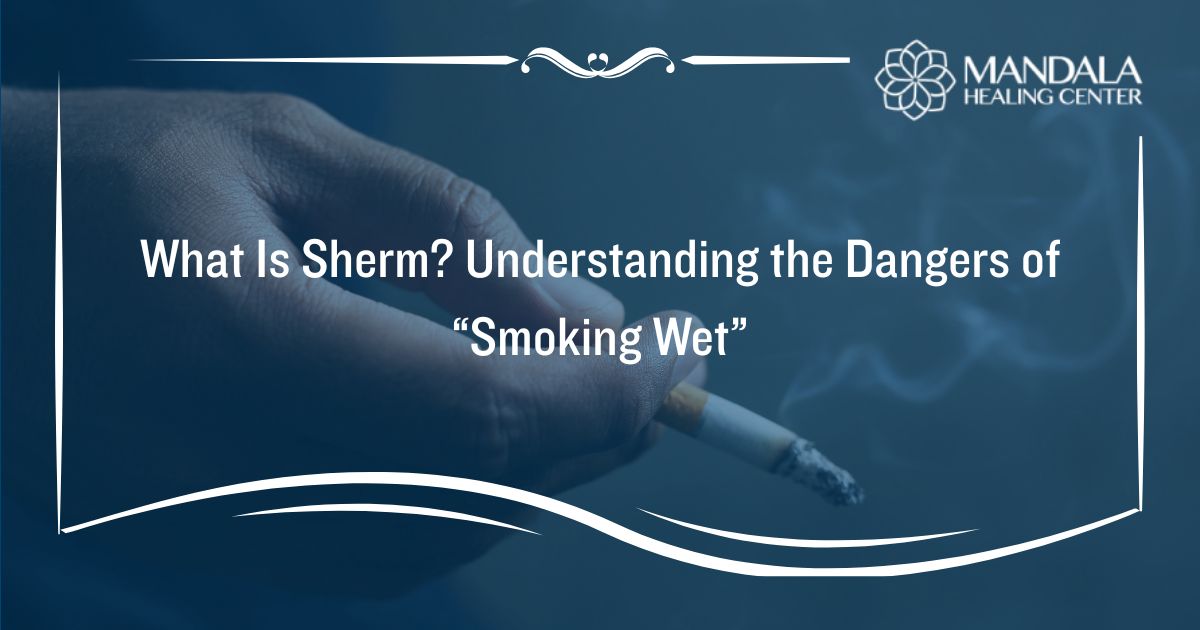
If you or someone you love is struggling with drug use, understanding the risks of certain street drugs is a powerful first step toward healing. One hazardous substance you may have heard of is called sherm. But what is Sherm? And why is “smoking wet” so harmful?
In this article, we’ll explore the realities of sherm—what it is, why people use it, the effects it has on the mind and body, and most importantly, how to seek help if you or someone you know is affected by it.
What Is Sherm?
Sherm is a slang term for a cigarette (or joint) that has been dipped in a liquid form of phencyclidine (PCP) or embalming fluid, then dried and smoked. The term can vary slightly depending on regional slang, but it usually refers to smoking a PCP-laced cigarette or marijuana joint.
People also refer to this practice as “smoking wet.”
Sherm cigarettes are hazardous and can produce intense and unpredictable psychological effects. Because the drug alters brain chemistry and disrupts perception, it can lead to violent behavior, psychosis, and long-term mental health issues.
What Does “Smoking Wet” Mean?
Smoking wet refers to the act of inhaling smoke from a cigarette, cigar, or joint that has been soaked in PCP, embalming fluid, or sometimes a combination of both.
These substances are not meant for human consumption—and when used this way, they can severely harm the brain and body.
Smoking wet is most often associated with:
- PCP (phencyclidine) – a hallucinogenic dissociative drug originally developed as an anesthetic.
- Embalming fluid – a chemical used to preserve dead bodies. While some people think it gets them high, it’s actually a neurotoxic chemical that can cause seizures, brain damage, and death.
Some users are unaware that their cigarettes have been laced, leading to dangerous and traumatic experiences. Others use it deliberately in search of an intense high—but the cost is often far greater than they realize.
Why Do People Use Sherm?
The reasons vary, but many people who try sherm are:
- Seeking escape from emotional or physical pain.
- Struggling with trauma, mental illness, or unstable housing.
- Curious or pressured by peers to experiment with new highs.
- Already dependent on other substances and looking for something stronger or longer-lasting.
PCP is known for its dissociative properties—it can make users feel detached from reality, like they’re watching themselves from outside their body. While some might chase this sensation, others experience it as terrifying and disorienting.
Unfortunately, even one experience with sherm can lead to:
- Violent outbursts
- Paranoia
- Long-term psychosis
- Accidental injury or death
[elementor-template id=”173075″]
Short-Term Effects of Sherm Use
Sherm use can take effect within minutes and may last for hours. Because it’s typically smoked, the chemicals are absorbed quickly into the bloodstream.
Common short-term effects include:
- Intense hallucinations
- Extreme confusion
- Euphoria or anxiety
- Detachment from reality
- Inability to feel pain (which increases risk of injury)
- Disorganized thinking
- Slurred speech
- Aggressive behavior
- Rapid heart rate
- Sweating or chills
- Nausea and vomiting
Some people become so agitated or unpredictable after smoking wet that they may be mistaken for experiencing a psychiatric crisis. It’s not uncommon for sherm users to end up in emergency rooms, police custody, or psychiatric facilities after use.
Long-Term Risks of Sherm
Repeated use of sherm carries severe and lasting consequences. The brain and nervous system can be permanently affected by PCP or embalming fluid.
Long-term risks may include:
- Memory loss
- Persistent psychosis
- Depression and anxiety
- Cognitive impairment
- Social withdrawal
- Aggressive or violent behavior
- Seizures
- Organ damage
- Addiction
Over time, sherm can destroy relationships, physical health, and mental stability. It can lead to homelessness, legal problems, and serious injury—not only to the user, but also to those around them.
Recognizing the Signs of Sherm Use
If you suspect someone you know is using sherm, it’s important to approach the situation with care and understanding. Look for:
- Sudden changes in personality or mood
- Hallucinations or delusional thinking
- Poor coordination or motor skills
- Smelling of chemicals or strange smoke odors
- Episodes of rage or unprovoked aggression
- Talking nonsensically or “zoning out”
- Long periods of being unresponsive or catatonic
Sherm users often fluctuate between hyperactivity and withdrawal, which can make their behavior feel unpredictable or even dangerous.
Is Sherm Addictive?
Yes. PCP is a highly addictive substance. Although not everyone who uses sherm becomes addicted, repeated use creates physical and psychological dependence.
Over time, the brain begins to crave the dissociative escape that sherm provides. This leads to:
- Increased tolerance (needing more to feel the same effects)
- Withdrawal symptoms (depression, cravings, agitation)
- Compulsive use despite negative consequences
Addiction can set in quickly—and quitting without help is incredibly difficult. This is why professional treatment is essential.
Getting Help: Treatment for Sherm Addiction
If you or a loved one is using sherm or smoking wet, know that you are not alone—and help is available.
At our addiction treatment center, we specialize in helping people break free from dangerous substance use, including PCP and other hallucinogens. Treatment typically includes:
Medical Detox
Sherm withdrawal can be intense. Detoxing in a safe, supportive environment ensures you’re monitored for any physical or psychiatric complications.
Dual Diagnosis Treatment
Many sherm users also struggle with mental health conditions like schizophrenia, bipolar disorder, PTSD, or depression. Our programs treat both substance use and mental health together for long-term success.
Therapy & Counseling
Cognitive behavioral therapy (CBT), trauma-informed care, and individual counseling help uncover the root causes of addiction and provide tools for healing.
Support Groups
Peer support is powerful. Group therapy and community support can help you feel connected, heard, and empowered in your recovery journey.
Aftercare Planning
Recovery is a lifelong journey. We provide ongoing support, resources, and relapse prevention plans to help you maintain your sobriety and thrive.
Helping a Loved One Who Smokes Sherm
Watching someone you love suffer from addiction is painful. If you think they are smoking wet, your support can make a difference.
Start with empathy, not judgment. Many people use substances to cope with deeper pain. Talk when they’re sober, not during a high or a crisis.
Express concern, not shame. Use “I” statements: “I’m worried about you.” “I noticed you’ve been different lately.” Offer support, not ultimatums. Let them know treatment is available—and that you’ll help them take the first step. Finally, set boundaries if needed, especially if your safety is at risk.
It’s okay to reach out for help yourself. Families are affected by addiction, too, and there are support groups and counselors ready to guide you.
You Are Not Alone
Sherm is a deeply dangerous substance that can lead to serious mental health and physical complications—but there is hope. Every day, people find the strength to recover from substance use, and your journey can start today.
Whether you’re struggling yourself or worried about someone else, taking that first step to learn about the problem is already progress. Reach out. Ask questions. Seek help. Your life matters—and healing is possible.
If you or a loved one struggles with sherm abuse or another form of substance use disorder, you are not alone. Find treatment, resources, and recovery support at the Mandala Healing Center. Reach out to our specialists to learn more about our programs or to schedule an intake appointment.
Frequently Asked Questions (FAQ)
1. Is Sherm the same as embalming fluid?
No, sherm is not the same as embalming fluid, but embalming fluid is sometimes used in making sherm. Sherm typically refers to a cigarette or joint laced with PCP or embalming fluid. Embalming fluid on its own does not cause a high, but when misused this way, it may be mistaken for or combined with PCP. Regardless, inhaling embalming fluid is highly toxic and harmful to the brain and lungs.
2. Can someone overdose on sherm?
Yes. Overdosing on sherm is possible and can be life-threatening. Symptoms may include seizures, dangerously high blood pressure, unconsciousness, respiratory distress, or extreme agitation that leads to accidental harm. Because sherm often contains unknown or varying amounts of PCP or other chemicals, the risk of overdose is high—even after a single use.
3. How long do the effects of smoking wet last?
The effects of smoking wet can last anywhere from 4 to 8 hours, with lingering mental confusion or emotional instability lasting much longer. Some people experience residual effects for days, including paranoia, memory problems, and mood swings. In some cases, chronic use can lead to long-term or even permanent mental health issues.
4. Is it illegal to possess or use sherm?
Yes, possessing or using sherm is illegal. PCP is classified as a Schedule II controlled substance in the U.S., meaning it has a high potential for abuse and no accepted medical use in most cases. Possession, distribution, or manufacturing of sherm can lead to serious legal consequences, including jail time and fines.
5. Can someone become violent or dangerous after using sherm?
Unfortunately, yes. One of the most troubling effects of sherm (especially when laced with PCP) is the potential for aggressive or violent behavior. Users may feel invincible, confused, or paranoid, which can result in dangerous outbursts, self-harm, or attacks on others. This unpredictability is one of the reasons sherm use is considered a public safety concern.
6. What should I do if someone is high on sherm and acting erratically?
If someone is under the influence of sherm and appears agitated, aggressive, or unresponsive, do not attempt to restrain them physically. Call emergency services immediately. Try to maintain a calm and safe environment, and avoid sudden movements or confrontations. First responders are trained to handle drug-induced psychosis and can ensure the person receives proper care.
Resources
- Substance Abuse and Mental Health Services Administration (SAMHSA): SUD survey results
- National Institute on Drug Abuse (NIDA): PCP abuse and addiction
- Drug Enforcement Administration (DEA) – Drug Fact Sheets: Hallucinogens
Learn more about residential addiction treatment.
Previous in this series: What is a White M366 Pill · Next: What does Tweaking Mean

-

Does Insurance Cover Drug and Alcohol Rehab in Florida?
October 13, 2026
-

Signs Your Drinking May Be Becoming a Problem
October 8, 2026
-

How to Get Into Rehab Quickly in Florida
September 30, 2026
-

Can You Go to Rehab Without Detoxing First?
September 24, 2026
-

Can You Become Addicted to Alcohol Without Drinking Every Day?
September 19, 2026