

For those exploring hallucinogenic drugs or struggling with substance use disorders, understanding what peyote is—and the risks involved—can be an essential step toward making informed choices and seeking help.
This article will provide an overview of the effects and risks of peyote use. You’ll learn about the cultural and legal issues surrounding this hallucinogenic drug and where to seek treatment to overcome peyote abuse.
What is Peyote?
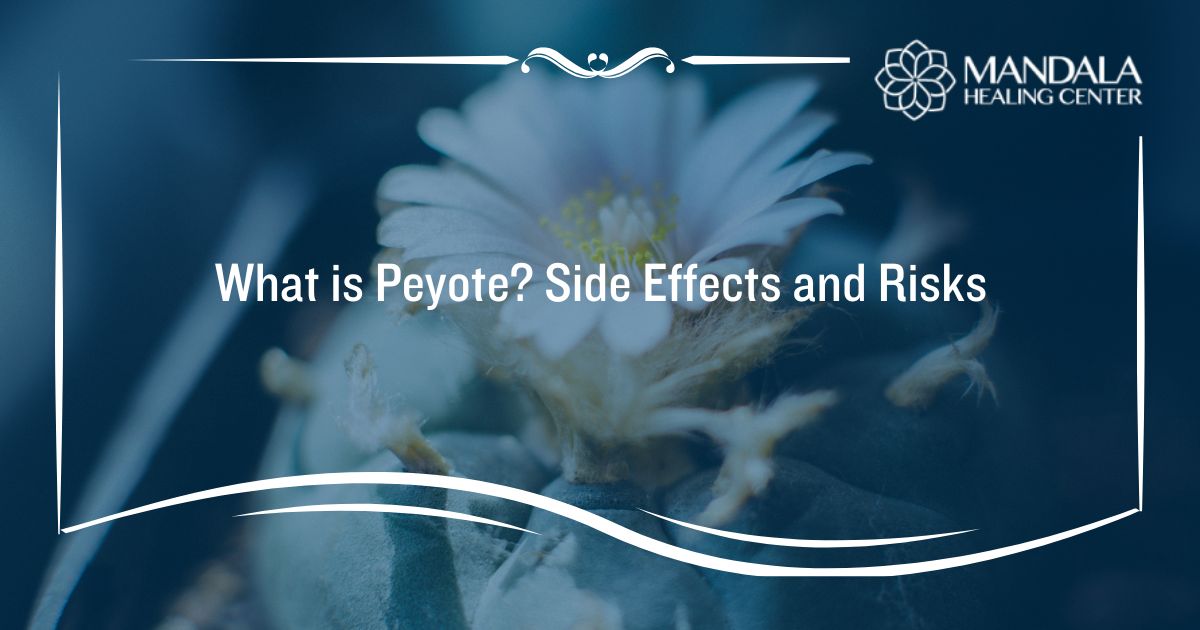
Peyote is a small, spineless cactus known scientifically as Lophophora williamsii. This cactus contains a powerful hallucinogenic substance called mescaline, which induces intense psychedelic effects when consumed. Native to the southwestern United States and Mexico, peyote has been used for centuries in traditional Indian religious ceremonies by various Native American tribes.
While some view peyote as a sacred plant used in religious rituals, its use outside those settings has raised serious concerns in the fields of mental health and addiction treatment.
Peyote and Mescaline: The Psychoactive Connection
The main ingredient responsible for peyote’s hallucinogenic effects is mescaline, a naturally occurring psychedelic compound. Mescaline is classified as a hallucinogenic substance and can trigger significant changes in perception, emotion, and cognition. People under its influence may “hear colors” or experience a distorted sense of time, sound, and vision—what users often refer to as a “peyote trip.”
Because mescaline alters perception so dramatically, it is grouped with other hallucinogenic drugs like LSD and psilocybin mushrooms. While some seek a “good trip,” the risk of a bad trip, persistent psychosis, or hallucinogen persisting perception disorder (HPPD) cannot be overlooked.
Cultural and Legal Context
Peyote has long been used by Native American groups, particularly within the Native American Church, for religious ceremonies and healing rituals. These communities consider peyote a sacred medicine. To protect their cultural practices, special exempt persons under federal regulations are allowed to use peyote for religious purposes.
However, for the general public, federal law treats peyote as a controlled substance. According to the Drug Enforcement Administration (DEA), both mescaline and peyote are illegal to possess, sell, or consume outside of sanctioned religious use.
Peyote Use Outside Religious Settings
Despite these legal boundaries, some individuals still use peyote recreationally in search of spiritual awakening or an escape from everyday life. Taking peyote outside of its traditional context can carry profound mental and physical risks, particularly for those with a history of substance use disorders or untreated mental health issues.
The use of peyote in unsupervised settings often leads to unpredictable outcomes due to the plant’s chemical makeup, the person’s tolerance, and the dose consumed. High or repeated use may increase the likelihood of adverse reactions.
Physical and Psychological Effects
Peyote use can cause immediate physical and psychological effects. Here is an overview of these effects.
The immediate physical effects of peyote can include:
- Increased blood pressure
- Elevated body temperature
- Excessive sweating
- Dilated pupils
- Nausea and vomiting
- General pain or joint pain
Psychological effects are also common with peyote use. Users may experience:
- Altered perception of reality
- Hallucinations
- Emotional swings
- Disorientation
While some users describe euphoric or insightful experiences during a good trip, others endure confusion, fear, panic, or psychotic symptoms in a bad trip. The risk of hallucinogen persisting perception disorder (HPPD) and persistent psychosis is especially concerning for those with underlying vulnerabilities.
Peyote use can have long-term effects on a person’s cognitions, mental health, sleep, and more. Long-term effects are more common among people who use it heavily or for long periods.
Chronic users often report problems with:
- Memory
- Focus and attention
- Mood regulation
- Sleep disturbances
- Worsening anxiety or depression
There is also potential for the development of a psychological dependence, especially when peyote is used to escape trauma or emotional pain.
While peyote is not considered physically addictive like opioids or alcohol, any drug use that becomes compulsive or interferes with life responsibilities can lead to addiction.
[elementor-template id=”173075″]
Peyote and Western Medicine
While psychedelic research into substances like mescaline is growing, the findings are still early-stage. Some believe that psychoactive plants like peyote could have therapeutic benefits when used in a controlled, clinical environment. However, more research is needed to determine its safety and efficacy.
Western medicine does not currently recognize peyote as a treatment option. Instead, the focus remains on its potential to harm when misused, particularly outside the structure of religious rituals or clinical supervision.
Health Risks and Emergency Situations
Consuming higher doses of peyote or peyote regularly can lead to toxic outcomes. According to data from a statewide poison center database, cases of mescaline exposures have resulted in emergency room visits due to seizures, heart issues, and severe psychological distress.
In rare but serious incidents, fatal peyote ingestion has been documented, particularly when combined with stimulant medications, alcohol, or other hallucinogens. The risk multiplies when peyote is consumed without knowledge of how to dose it properly.
Peyote’s Appearance and Forms
Peyote grows in small, button-like shapes. Users may consume it in several ways, including:
- Chewing
- Brewing it into a tea or tincture
- Drying and grinding it into a fine powder that can be added to food, drinks, or put into capsules for oral consumption
Despite its bitter taste, some users ingest large amounts to intensify the psychedelic effects. Because the strength of mescaline varies by cactus, there is no way to predict the effects of each dose accurately. This uncertainty contributes to its danger, especially for first-time users or those with co-occurring mental health issues.
Why Peyote Isn’t Safe for Recreational Use
When people use peyote outside of its sacred purpose, they may underestimate the psychological toll. Peyote’s hallucinogenic effects can be profound, and not everyone responds the same way. Some users report euphoria, while others spiral into paranoia or emotional distress.
Additionally, because of peyote’s status as a controlled substance, possessing it outside a traditional Indian religious context can result in legal consequences, job loss, and damage to personal relationships.
If a loved one is taking peyote or other psychedelic drugs, it’s essential to approach the subject with empathy. Curiosity or experimentation doesn’t always equal addiction—but if drug use becomes frequent, interferes with daily life, or causes emotional harm, it may be time to seek treatment.
If you or someone you care about is struggling with peyote use or other hallucinogenic drugs, don’t wait for the problem to escalate. Psychedelic effects may seem intriguing, but the long-term consequences can derail a person’s goals, relationships, and overall well-being.
What Happens in Peyote Abuse Treatment?
Treatment for psychedelic abuse focuses on understanding the underlying reasons for drug use while addressing both psychological and behavioral aspects. Although psychedelics like mescaline are not typically physically addictive, repeated use can lead to psychological dependence, emotional instability, and worsening mental health conditions.
Treatment often begins with a comprehensive mental health evaluation, followed by therapy tailored to the individual’s needs. Cognitive Behavioral Therapy (CBT) is commonly used to help patients identify harmful thought patterns and replace them with healthier coping strategies. Group therapy and peer support groups can also provide community and accountability. For those experiencing lingering effects such as persistent psychosis or hallucinogen persisting perception disorder (HPPD), psychiatric care and medication management may be necessary.
Detox is generally not required for psychedelics, but supervised care can help manage anxiety, confusion, or emotional distress. Long-term recovery plans often include relapse prevention strategies, therapy, and continued mental health support.
Find Treatment and Support Now
Understanding the hallucinogenic substance called mescaline and its impact on the brain is the first step in making informed decisions. If you or a loved one is navigating the complexities of drug use, our team is here to help—with compassion, respect, and effective care.
If you or someone you love struggles with hallucinogen abuse or another form of substance use disorder, you are not alone. Find compassionate support and treatment at the Mandala Healing Center. Explore our programs or schedule an intake appointment by contacting our team today.
Frequently Asked Questions About Peyote
1. Can peyote be detected in drug tests?
Yes. Mescaline, the active ingredient in peyote, can be detected in specific, specialized drug tests, although it’s not included in standard panels like the 5-panel or 10-panel screens. Detection windows vary, but mescaline may remain traceable in urine for up to 3 days, depending on the dose and the individual’s metabolism.
2. Is it legal to grow peyote at home?
Under federal law, cultivating peyote is illegal for most individuals. However, special exempt persons affiliated with the Native American Church may be allowed to grow it for religious ceremonies under strict regulations. In all other cases, growing peyote is considered a violation of controlled substance laws.
3. What’s the difference between peyote and other hallucinogenic plants like ayahuasca?
While both peyote and ayahuasca are psychoactive plants, they contain different active compounds. Peyote contains mescaline, while ayahuasca contains DMT (dimethyltryptamine). Their effects, duration, and cultural origins also differ—peyote is used in Native American traditions, while ayahuasca is native to the Amazon and used in South American shamanic rituals.
4. Can peyote use interfere with medications or medical conditions?
Yes. Peyote can interact negatively with stimulant medications, antidepressants, and medications that affect heart rate or blood pressure. Individuals with a history of seizures, heart conditions, or mental health disorders are at increased risk of adverse effects when using peyote.
5. Is peyote physically addictive?
Peyote is not known to cause physical dependence, but psychological addiction is possible, especially when used frequently to avoid emotional distress. The potential for misuse increases with repeated use or in those with a history of substance use disorders.
6. How is peyote different from synthetic hallucinogens?
Synthetic hallucinogens, like LSD or MDMA, are man-made and often vary in purity and potency. Peyote, in contrast, is a naturally occurring cactus with a known chemical makeup centered around mescaline. While both can cause intense psychedelic effects, synthetic drugs may carry greater risks due to adulteration or unknown additives.
Sources


-

How Much Does a Detox Program in West Palm Beach Cost?
April 28, 2026
-
How Long Do South Florida Rehab Programs Typically Last?
April 21, 2026
-
What Does Freebasing Mean?
April 13, 2026
-
How to Get Florida Medicaid to Pay for Drug & Alcohol Rehab Services
April 10, 2026
-
How Long Does Klonopin Stay in Your System?
April 9, 2026