 Skip to the content

For individuals struggling with substance abuse, understanding the wide variety of cannabis-derived products available today can be overwhelming. Among them, hash—short for hashish—is a potent and concentrated form of cannabis that has been used for centuries.
With evolving extraction methods, increased THC content, and varying forms, hash has become increasingly common, especially among individuals using cannabis for recreational purposes. But with increased use comes increased risk—especially for those vulnerable to cannabis use disorder or cannabis addiction.
This article breaks down what hash is, how it affects the body and mind, and the importance of recognizing the risks associated with its use, especially for those on a recovery journey.
What is Hash?
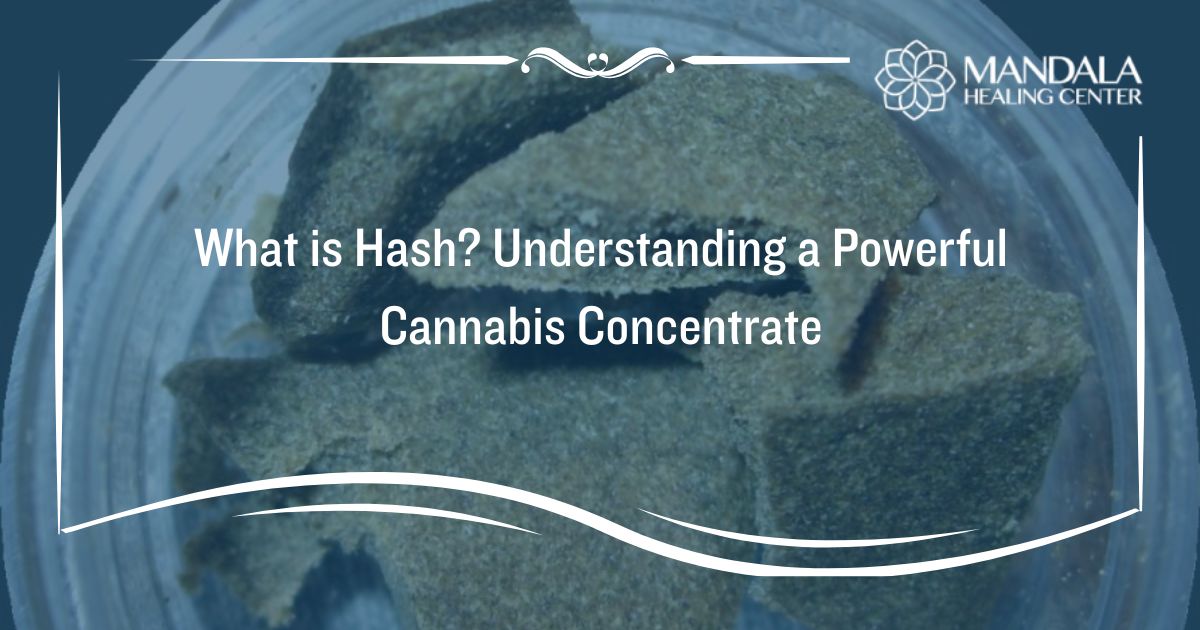
Hash is a concentrated form of cannabis made by collecting and compressing the resin glands, or trichomes, from the cannabis flower. These trichomes contain the psychoactive compound THC (tetrahydrocannabinol), responsible for the altered perception and heightened sensory perception often experienced with cannabis use.
Hash comes in various colors—typically dark brown or dark green—and textures. It can be sticky, crumbly, or solid, depending on its extraction process and age. It is significantly more potent than traditional marijuana, often containing THC levels that are several times higher than the average cannabis plant.
Types of Hash and Extraction Methods
“Hash” is a term used to describe several different forms of a substance. Each form of hash is produced using a particular extraction method.
These methods include:
- Traditional Hash: Often made by hand or with simple tools, this method involves rubbing the cannabis flower until the cannabis resin collects and can be formed into a solid.
- Bubble Hash: Created using ice water and fine mesh screens, ice water hash separates trichomes from the plant material without the use of solvents, making it one of the “cleaner” extraction methods.
- Hash Oil or Honey Oil: A liquid marijuana concentrate, hash oil is made using solvents such as butane or ethanol. It has exceptionally high THC content and is often consumed via blunts, vaporizers, edibles, or dabbing.
Each of these forms varies in hash potency, which increases the risk of adverse effects, particularly for individuals who consume larger quantities or use it frequently.
The Rise in Potency and Changing Cannabis Products
Over the years, marijuana potency has increased dramatically. Cannabis sativa and cannabis indica, the two main species of cannabis, have been selectively bred to develop strains with higher THC concentrations. This developing cannabis industry has produced cannabis derived products with stronger effects and increased risks.
These products, including hash, often fall under scrutiny by authorities such as the Drug Enforcement Administration, which classifies cannabis and hash as controlled substances under the Controlled Substances Act.
Despite debates around medical marijuana, hash remains an illicit drug at the federal level under federal law, even as some states allow its use for medical or recreational purposes.
[elementor-template id=”173075″]
Effects of Hash Use on the Body and Mind
When consumed, hash can cause a range of physical effects and psychological experiences.
Some of the most commonly reported effects of hash use include:
- Altered perception of time and space
- Increased appetite (“the munchies”)
- Distorted perception and difficulty with problem-solving
- Increased blood pressure and heart rate
- Panic attacks or anxiety
- Dry mouth and lung infections (especially from smoking)
Over time, regular hash use can lead to physical dependence, where the body begins to rely on the substance to function. Users may experience constant cravings and withdrawal when they try to stop.
Cannabis Use Disorder and Cannabis Addiction
Despite common myths that cannabis is a non addictive substance, research shows that frequent and prolonged cannabis use—especially with potent products like hash—can lead to cannabis use disorder.
This condition, recognized by the American Psychiatric Association, involves a pattern of problematic use that leads to significant impairment in essential life activities.
Cannabis addiction can develop when the brain adapts to the frequent presence of THC, affecting the brain’s reward system.
This can lead to:
- Withdrawal symptoms such as irritability, insomnia, loss of appetite, and anxiety
- Difficulty controlling or reducing use
- Neglect of responsibilities and relationships
- Increased tolerance, needing more of the substance for the same effects
While not everyone who uses hash will become addicted, those with a history of drug abuse, mental health conditions, or exposure to other substances are at a higher risk of developing cannabis dependency.
Contaminated Substances and Quality Control Concerns
Illegally produced hash and cannabis products often lack quality control, increasing the risk of contaminated substances. Solvents used in the production process may remain in the final product, posing additional health risks, including chronic bronchitis, respiratory irritation, and even neurological damage.
Without regulation, users may not know what they are consuming, especially when hash is mixed with other substances to stretch supply or intensify effects.
Mental Health and Cannabis Use
There’s a growing body of evidence linking cannabis use, especially high-potency concentrates like hash, to worsening mental health. Individuals predisposed to conditions such as depression, anxiety, or schizophrenia may find their symptoms intensified with regular use.
Mental health treatment providers increasingly note the role of hash use in exacerbating mental well-being issues, and treatment centers are beginning to incorporate cannabis-specific support into their recovery process.
Legal Status and Federal Perspective
Despite the legalization of medical marijuana and recreational cannabis use in many states, hash remains illegal under federal law. The Drug Enforcement Administration categorizes it as a Schedule I drug, meaning it is considered to have no accepted medical use and a high potential for abuse.
The Controlled Substances Act places hash in the same category as other substances like heroin or LSD. This legal contradiction creates confusion for cannabis users, especially those navigating legal consequences tied to drug use.
Seeking Help for Hash Use
If you or someone you love is struggling with hash use or any form of cannabis addiction, it’s important to remember that help is available. Recognizing that hash is not a harmless substance, but one that can interfere with mental health, physical wellness, and overall functioning, is the first step.
Comprehensive mental health treatment programs often address substance abuse and co-occurring conditions together.
These programs often include:
- Individual and group therapy
- Support for managing withdrawal symptoms
- Education about the effects of hash use
- Tools for managing cravings and preventing relapse
- Resources for rebuilding essential life activities
These services help individuals break free from cannabis dependency and reclaim a life centered on recovery and mental well-being.
Find Treatment and Support
Understanding hash is not just about knowing the product; it’s about recognizing its place in the broader conversation about drug abuse, illicit drugs, and recovery. For individuals navigating substance abuse, this knowledge can empower better choices, encourage seeking help, and support long-term healing.
If you’re concerned about your cannabis use, don’t wait. Reach out for support or treatment by contacting the specialists at the Mandala Healing Center. Discover our comprehensive approach to SUD treatment and schedule an intake appointment by contacting us today.
Frequently Asked Questions (FAQ)
1. How is hash different from marijuana?
While both hash and marijuana come from the cannabis plant, hash is a concentrated form made from the resin of the plant’s trichomes. Marijuana typically refers to the dried cannabis flower, which contains lower THC levels compared to hash. Because hash is more potent, its effects are often stronger and may last longer.
2. Can hash be detected in drug tests?
Yes. Hash contains THC, the main psychoactive compound in cannabis, which is easily detected in standard urine, blood, saliva, and hair drug tests. Detection windows vary depending on frequency of use, dosage, and an individual’s metabolism, but can range from several days to over a month for regular users.
3. Is it possible to overdose on hash?
While a fatal overdose from THC is extremely rare, it is possible to overconsume hash, especially due to its potency. This can lead to intense anxiety, paranoia, nausea, hallucinations, and in some cases, the need for emergency medical attention. Individuals new to cannabis products are especially vulnerable to overuse.
4. Is hash ever prescribed for medical purposes?
In some states or countries with legalized medical marijuana programs, cannabis concentrates like hash may be available to patients. However, not all medical marijuana programs allow hash products, and regulations vary widely. Even when used medically, dosing is closely monitored to minimize side effects and dependency.
5. How can I tell if someone has a problem with hash use?
Warning signs of problematic hash use may include:
- Using hash to cope with emotions or stress
- Increasing tolerance and needing more to feel the effects
- Social withdrawal or changes in mood or personality
- Avoiding responsibilities in favor of getting high
If you notice these patterns, it may indicate the development of cannabis use disorder and warrant professional support.
Sources
- CDC: About Cannabis
- SAMHSA: The Effects, Risks, and Side Effects of Marijuana
- NIDA: Cannabis (Marijuana)
- US DEA: Marijuana Concentrates/THC Extractions
Learn more about marijuana addiction treatment.
Previous in this series: Thc vs Thc a a Comparison · Next: What is Synthetic Marijuana

-

Does Insurance Cover Drug and Alcohol Rehab in Florida?
October 13, 2026
-

Signs Your Drinking May Be Becoming a Problem
October 8, 2026
-

How to Get Into Rehab Quickly in Florida
September 30, 2026
-

Can You Go to Rehab Without Detoxing First?
September 24, 2026
-

Can You Become Addicted to Alcohol Without Drinking Every Day?
September 19, 2026