

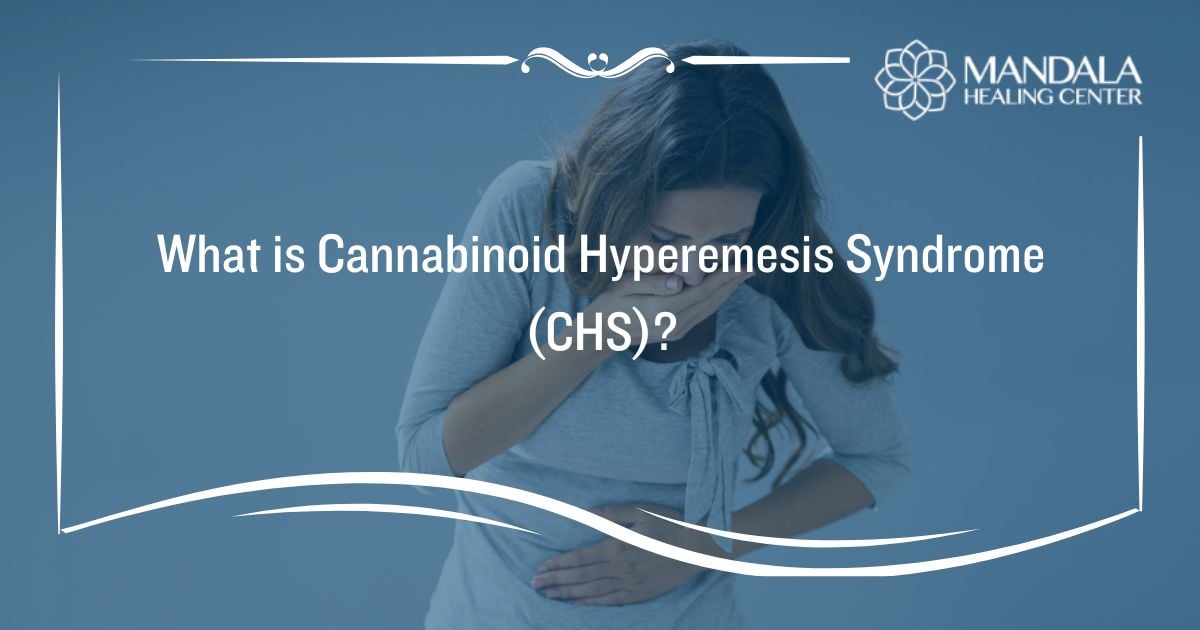
Cannabis is often used for relaxation, pain relief, or even to ease nausea. However, for a growing number of cannabis users, the outcome can be the opposite: intense nausea, repeated vomiting, and severe abdominal pain.
This condition is known as Cannabinoid Hyperemesis Syndrome (CHS)—a severe, often misunderstood disorder that can lead to multiple emergency department visits if not correctly diagnosed and treated.
This article is designed to educate individuals and families affected by substance abuse, particularly those who may be struggling with cannabis use disorder. If you’re experiencing mysterious cycles of vomiting and nausea, understanding cannabis hyperemesis syndrome could be life-changing.
Understanding Cannabinoid Hyperemesis Syndrome
Cannabinoid Hyperemesis Syndrome (CHS) is a medical condition characterized by cyclical vomiting, persistent nausea, and abdominal pain in people who use cannabis regularly over long periods.
Though cannabis is known for its anti-nausea effects, in certain individuals, prolonged marijuana use triggers a paradoxical reaction. Instead of relieving nausea, it causes it—often severely. This counterintuitive effect makes CHS difficult to recognize, especially among patients who believe cannabis is helping them manage gastrointestinal symptoms.
How Common Is CHS?
While exact numbers are unclear, emergency medicine specialists have reported an increasing number of emergency department cases tied to cannabinoid hyperemesis. With the growing legalization and normalization of cannabis, more people are using marijuana daily, increasing the risk of developing CHS symptoms.
The Three Phases of CHS
CHS generally presents in three stages. Here is an overview of what may happen during each stage.
Prodromal Phase
This early stage may last weeks, months, or even years. People experience nausea, morning sickness-like symptoms, abdominal discomfort, and a fear of vomiting. Most individuals continue using cannabis at this stage, believing it helps.
Hyperemesis Phase
This is the most intense period, marked by:
- Repeated vomiting (up to 5–6 times per hour)
- Frequent hot showers (used compulsively for relief)
- Intense abdominal discomfort
- Severe nausea and loss of appetite
- Risk of aspiration pneumonia, weight loss, and nutritional deficiencies
This phase often leads patients to the emergency department, where they may undergo multiple tests—often including a pregnancy test or physical exam—to rule out other causes.
Recovery Phase
Symptoms disappear when cannabis use is stopped. This phase can last days or weeks, but symptoms return if marijuana use resumes. Sustained abstinence is the only definitive treatment for CHS.
[elementor-template id=”173075″]
Why Does Cannabis Cause Hyperemesis?
Although research is ongoing, current studies in clinical pharmacology and medical toxicology suggest that chronic exposure to THC—the psychoactive component in cannabis—changes how the nervous system and gastrointestinal tract process signals.
Over time, THC may dysregulate the cannabinoid receptors in the brain and gut, reversing cannabis’s anti-nausea properties and causing severe vomiting instead.
Risk Factors for Developing CHS
Not every cannabis user develops CHS. However, certain risk factors increase the likelihood:
- Long-term marijuana use (daily or near-daily)
- Use starting in adolescence or early adulthood
- Genetic predisposition (family history of GI disorders or substance use)
- Co-occurring conditions like bipolar disorder, abdominal migraine, or cyclic vomiting syndrome
- Lack of patient education on cannabis side effects
People may go years without symptoms, then suddenly begin experiencing severe cyclic vomiting episodes—often misattributed to infections, food poisoning, or stress.
Common Symptoms of CHS
CHS symptoms overlap with those of other conditions, making the correct diagnosis challenging. However, if you’re a marijuana user experiencing the following, CHS could be the cause.
Here are some common symptoms of cannabinoid hyperemesis syndrome:
- Persistent nausea
- Repeated episodes of forceful vomiting
- Stomach pain or cramping
- Temporary relief from hot showers or hot baths
- Reduced food intake
- Weight loss and dehydration
- Use of cannabis as a self-treatment, which only worsens symptoms
These can mirror cyclic vomiting syndrome or abdominal migraine, but the cannabis connection is key to diagnosing CHS correctly.
Why Hot Water Helps—Temporarily
Many CHS patients compulsively take frequent hot showers or hot baths to alleviate symptoms. This behavior, known as compulsive bathing, provides temporary relief—but not a cure.
The exact reason hot water helps is unclear, but some theories suggest it may override pain signals in the nervous system, offering a distraction from the nausea. Another method—hot water hydrotherapy—works similarly.
Some patients find relief with capsaicin cream, a topical treatment that mimics the sensation of heat and can be applied directly to the skin.
Diagnosing CHS: The Rome IV Criteria
The Rome IV criteria, used in gastroenterology, include key indicators for diagnosing CHS.
These criteria include:
- Long-term cannabis use
- Severe nausea and cyclical vomiting
- Temporary relief with hot showers
- Resolution with stopping cannabis
Doctors may also use imaging, blood tests, or a pregnancy test to rule out other conditions. A thorough physical exam is essential, as well as detailed questioning about drug use and lifestyle habits.
Complications of Untreated CHS
Without professional treatment, CHS can lead to serious problems, including:
- Severe dehydration
- Electrolyte imbalances
- Aspiration pneumonia
- Gastrointestinal tract damage
- Long-term nutritional deficiencies
- Emotional distress and anxiety
In some cases, frequent emergency department visits and misdiagnosis can lead to unnecessary procedures or hospitalizations. That’s why patient education is vital.
CHS and Mental Health
CHS often overlaps with mental health challenges, such as:
- Cannabis use disorder
- Anxiety
- Bipolar disorder
- Depression
The Substance Abuse and Mental Health Services Administration (SAMHSA) emphasizes treating the whole person—not just the physical symptoms. When treating CHS, it’s essential to assess for underlying substance abuse or mental health disorders.
Treatment and Symptom Relief
The best way to relieve CHS symptoms is to quit marijuana entirely. In the short term, doctors may use IV fluids for dehydration, administer anti-nausea medications, and recommend hot showers or capsaicin cream. In some cases, medical professionals may offer sedatives to calm the nervous system.
However, these provide only temporary relief. Stopping cannabis is the only definitive treatment. In some cases, individuals with cannabis use disorder need professional treatment and therapy to support abstinence.
Supporting Long-Term Recovery
If you or a loved one is struggling with CHS, you’re not alone. Here are steps toward healing.
- Recognize the symptoms: Understand that cannabis may be causing your nausea and vomiting.
- Seek medical evaluation: Ask your doctor about cannabinoid hyperemesis syndrome CHS and request an honest discussion about marijuana use.
- Stop using cannabis: Ceasing all forms of marijuana is essential for recovery.
- Get professional help: Recovery from substance abuse often requires support. Therapy, group counseling, and other substance abuse support services can help.
- Educate others: Spread awareness of CHS, especially among young adults and frequent cannabis users.
Find Treatment and Support Now
Cannabinoid Hyperemesis Syndrome is real, painful, and often misunderstood. But with the correct diagnosis, sustained abstinence, and the right support, recovery is absolutely possible.
If you’re experiencing severe vomiting, cyclical nausea, or abdominal pain and you use cannabis regularly, CHS may be the missing piece of your health puzzle.
Quitting cannabis can be challenging for some. If you or a loved one needs help, you can find the treatment and support you need to overcome cannabis abuse at the Mandala Healing Center. Explore your treatment options or schedule an intake appointment by contacting our specialists today.
Frequently Asked Questions (FAQ) About Cannabis Hyperemesis Syndrome
1. Can synthetic cannabinoids or CBD cause CHS?
While CHS is primarily linked to chronic THC use from natural cannabis, there is some evidence suggesting that synthetic cannabinoids (like “Spice” or “K2”) may also trigger similar symptoms.
However, CBD (cannabidiol), a non-psychoactive compound, is not typically associated with CHS. Still, products marketed as “CBD” may contain trace THC or synthetic additives, so caution is advised.
2. How long after quitting cannabis do CHS symptoms go away?
Most patients begin to feel relief within a few days to a week after stopping cannabis. However, the timeline can vary based on the duration and intensity of cannabis use. Some individuals experience lingering gastrointestinal sensitivity or psychological cravings that may take longer to resolve.
3. Can CHS be misdiagnosed as another condition?
Yes. CHS is often misdiagnosed as gastroenteritis, GERD, eating disorders, or even psychosomatic illness. Because many doctors are unfamiliar with CHS, especially in regions where cannabis is newly legalized, patients may undergo unnecessary testing or surgeries. Keeping a detailed symptom and usage history helps in getting the correct diagnosis.
4. Is it safe to resume cannabis after recovering from CHS?
No. Even small amounts of cannabis can cause symptoms to return quickly—even more severely. CHS tends to recur with continued cannabis use, regardless of the method of consumption (smoking, vaping, edibles, etc.). Complete and sustained abstinence is strongly recommended.
5. Are there any genetic or biological tests for CHS?
Currently, there are no specific lab tests or genetic screenings for CHS. Diagnosis is clinical, based on patient history and symptom patterns. Ongoing research is exploring potential genetic predispositions or risk factors.
6. What can caregivers or loved ones do to help someone with CHS?
Support without judgment is key. Encourage open conversations about cannabis use and be understanding of withdrawal challenges. Help with practical needs during recovery, like preparing bland meals, managing hydration, or scheduling medical follow-ups.
If substance use is part of a larger pattern, consider involving addiction specialists or therapists for long-term support.
Sources




-

How Long Does Buprenorphine Stay in Your System?
May 19, 2026
-
How Much Does a Detox Program in West Palm Beach Cost?
April 28, 2026
-
How Long Do South Florida Rehab Programs Typically Last?
April 21, 2026
-
What Does Freebasing Mean?
April 13, 2026
-
How to Get Florida Medicaid to Pay for Drug & Alcohol Rehab Services
April 10, 2026