 Skip to the content

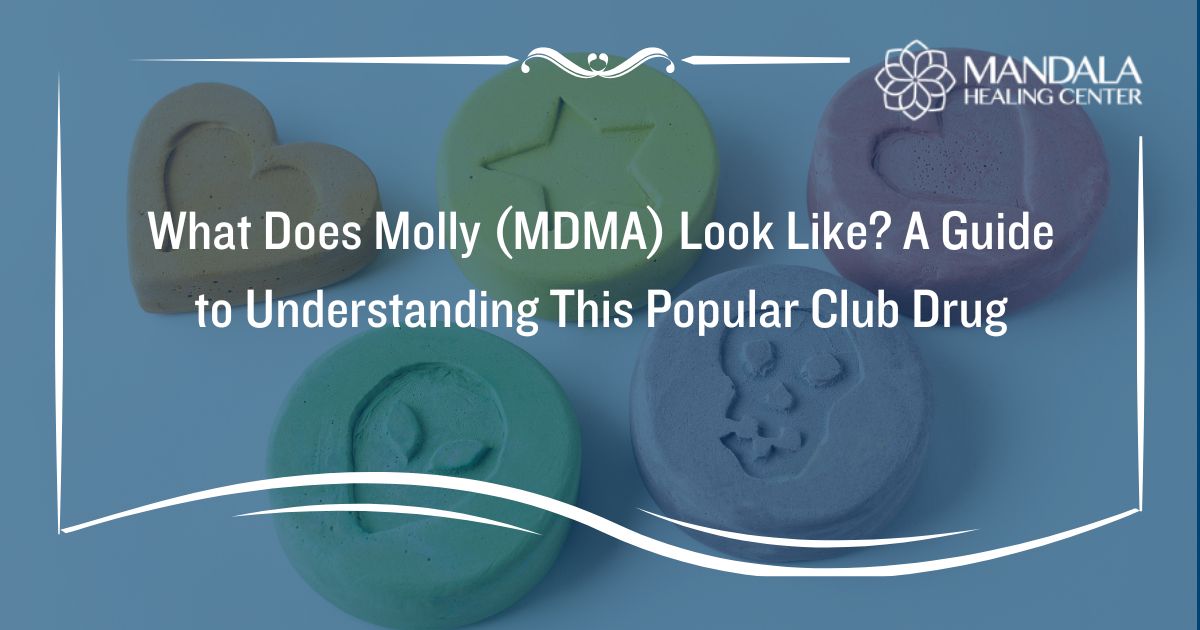
Molly, often marketed as a pure form of MDMA (3,4-methylenedioxymethamphetamine), is a synthetic psychoactive drug known for its stimulating and hallucinogenic effects. Commonly referred to as a “club drug” or “hug drug,” Molly has become a staple at all-night dance parties, raves, music festivals, and clubs.
But what does Molly actually look like? Is it always pure? And what are the serious risks associated with its use?
In this comprehensive guide, we’ll explore what Molly looks like, how it differs from other illicit drugs, and the physical health risks and consequences associated with MDMA use.
What Does Molly Look Like?
Molly comes in various forms, which can be misleading to users who assume they are getting “pure MDMA.” Its appearance depends on how it is processed and packaged for sale. Understanding the different forms of MDMA is vital for recognizing the potential dangers.
1. Powder or Crystal Form
Molly is often sold in its powder form or crystal form, typically white or off-white in color. Some variants may appear light brown, grey, or even slightly purple, depending on the cutting agents or contaminants used. In this form, Molly may be snorted, swallowed in cigarette paper (also called “parachuting”), or diluted in liquid.
2. Capsule Form
Dealers often sell Molly powder in capsule form, marketing it as pure Molly. These capsules are usually clear or lightly colored. However, the capsule content may not contain MDMA at all, and could instead be filled with other substances such as synthetic cathinones (commonly known as bath salts) or other drugs with hallucinogenic effects.
3. Pill Form / Colorful Tablets
Although “Molly” originally referred to powder MDMA, it is increasingly found in pill form, often colorful and stamped with logos. These ecstasy pills can resemble candy and are commonly known as party drugs. Pills may be pink, blue, green, or even multicolored and are sometimes shaped like animals, cartoon characters, or brand logos. Pills sold as Molly often contain additives or other illicit drugs, making their effects unpredictable.
Molly vs Ecstasy: Are They the Same Drug?
MDMA is the active ingredient in both Molly and ecstasy, but they differ in purity and form. Ecstasy is typically a tablet or pill that may contain MDMA along with other drugs, such as caffeine, methamphetamine, or over-the-counter medications. Molly, on the other hand, is advertised as pure MDMA—though studies show this is rarely the case.
A 2022 report by the National Drug Intelligence Center highlighted that only 43% of samples sold as Molly actually contained MDMA, with the rest comprising other substances such as bath salts or synthetic cannabinoids.[1]
Why Is It So Popular?
Molly is widely used among younger users in club, rave, and festival settings. Its appeal lies in the way it alters sensory perception, creates feelings of euphoria, empathy, and heightened connection, and boosts energy levels.
However, these perceived positives are accompanied by a wide range of mental health and physical health risks, especially when users take high doses or mix it with other drugs like alcohol or cannabis.
Short-Term Effects of Taking MDMA
When taking MDMA, users often feel:[2]
- Intense happiness and emotional closeness
- Enhanced sensations of touch and sound
- Increased energy and confidence
- Reduced inhibitions
But MDMA also causes significant changes to the brain’s neurotransmitters, particularly serotonin, dopamine, and norepinephrine. This overstimulation can lead to dangerous side effects, such as:[2]
- Rapid heart rate
- Elevated blood pressure
- Dehydration and body temperature spikes (which can cause kidney failure or death)
- Nausea and blurred vision
- Muscle tension and teeth grinding
- Anxiety, panic attacks, or feeling extremely suspicious
[elementor-template id=”173075″]
Long-Term Health Risks and Consequences
Even short-term use can lead to negative experiences and serious risks, but long-term MDMA use is particularly damaging. Chronic users often experience:[3]
- Memory problems and cognitive decline
- Increased substance abuse or drug addiction
- Withdrawal symptoms such as fatigue, depression, and insomnia
- Worsened mental health conditions, including post-traumatic stress disorder (PTSD)
- Increased risk of serotonin syndrome, a potentially life-threatening condition
While MDMA might be fun in the moment, long-term use of it can be dangerous, as displayed above. If you or a loved one regularly abuses ecstasy, it’s time to seek help. At the Mandala Healing Center, we can help you overcome substance abuse and achieve long-term recovery.
Adulteration: Molly Isn’t Always Pure
One of the most dangerous aspects of Molly is how often it’s cut with other drugs. Due to a lack of regulation, substances sold as Molly may include:
- Methylone
- Mephedrone
- Bath salts
- Methamphetamine
- Caffeine
- PMA/PMMA (deadly chemicals mistaken for MDMA)
These illicit drugs can produce unpredictable and deadly effects, especially when combined. A 2019 study from Curtin University found that more than 60% of pills sold at festivals in Australia contained other substances besides MDMA.[4]
Recognizing the Signs of MDMA Use or Abuse
Recognizing MDMA use in others can be difficult, especially in social settings. However, signs to look for include:
- Sudden bursts of energy or emotion
- Excessive sweating or overheating
- Dilated pupils
- Grinding teeth or a clenched jaw
- Unusual friendliness or touchiness
Prolonged or frequent drug use may lead to drug abuse, dependency, and eventual drug addiction. Social withdrawal, irritability, depression, and negative consequences in work or relationships may all be signs that someone is struggling with ecstasy misuse.
Treatment Options for MDMA Addiction
Although Molly is often seen as a “fun” or “social” drug, its use can quickly spiral into dependency. Treatment should be evidence-based and tailored to the individual’s needs.
Outpatient Programs
For those with mild to moderate dependency, outpatient programs offer therapy and medical oversight while allowing individuals to continue their daily responsibilities.
Inpatient Rehabilitation
More severe cases may require residential care, especially if other illegal drugs are involved. Residential or inpatient programs provide 24/7 care and support, ensuring clients are able to focus on recovering.
Support Groups and Peer Support
Connecting with support groups like Narcotics Anonymous or SMART Recovery can provide valuable peer support and accountability.
Evidence-Based Therapies
Behavioral therapies such as Cognitive Behavioral Therapy (CBT) and Motivational Interviewing have proven effective in helping individuals understand and manage their drug use.
Get Connected to Reputable Treatment for Molly Abuse
Understanding what Molly looks like, how it is used, and its serious risks is essential in a world where street drugs are becoming increasingly potent and unpredictable. Whether it’s sold in colorful pills, capsule form, or powder, Molly is rarely as pure as it’s marketed to be.
With rising concerns about substance abuse, particularly among younger users, education and access to treatment programs are more important than ever.
If you or someone you know is struggling with MDMA or other drugs, contact the Mandala Healing Center. Early intervention can prevent long-term damage and support a full recovery.
Frequently Asked Questions (FAQs)
1. Can Molly be detected in drug tests?
Yes, MDMA can be detected in standard urine, blood, saliva, and hair drug tests. In urine, it typically remains detectable for 1–3 days after use, though this can vary based on dosage, frequency of use, and individual metabolism. Some extended drug panels specifically test for MDMA due to its increasing popularity as a club drug.
2. Is it safe to mix Molly with alcohol or other substances?
No, mixing MDMA with alcohol, cannabis, or other drugs significantly increases the risk of adverse effects. Alcohol can worsen dehydration and increase the chance of overheating. Combining MDMA with stimulants (like cocaine) or depressants (like opioids or benzodiazepines) can result in unpredictable and dangerous interactions, including serotonin syndrome, unconsciousness, or kidney failure.
3. Why do some users report a “crash” after taking Molly?
The “crash” or “comedown” after MDMA use is typically due to the temporary depletion of neurotransmitters serotonin, dopamine, and norepinephrine in the brain. This can lead to fatigue, irritability, depression, and anxiety for several days afterward. The more frequently someone uses MDMA, the more intense and prolonged these effects can become.
4. Are there any therapeutic uses for MDMA?
While MDMA is still considered an illicit drug in most countries, it is being studied in clinical settings under tightly controlled conditions. Research trials—such as those supported by the Multidisciplinary Association for Psychedelic Studies (MAPS)—have shown promising results for MDMA-assisted therapy in treating post-traumatic stress disorder (PTSD). However, this use remains experimental and is not the same as recreational MDMA use.
5. How can someone tell if they’ve been sold fake Molly?
There is no reliable way to visually confirm the contents of a substance. Testing kits, such as Marquis reagent tests, can help indicate the presence of MDMA but cannot guarantee purity or detect all other substances. Inconsistent effects, unusual tastes, or unexpected side effects are common signs that the substance may be adulterated. Always assume that drugs sold on the street are potentially impure unless lab-tested.
6. Can someone overdose on Molly?
Yes. Although MDMA is often perceived as relatively safe, especially in pill form, high doses or contaminated batches can lead to overdose. Symptoms may include extreme agitation, seizures, dangerously high body temperature, irregular heartbeat, or loss of consciousness. In severe cases, this can result in organ failure or death, especially without immediate medical intervention.
References:
- Science Direct: Detection of “bath salts” and other novel psychoactive substances in hair samples of ecstasy/MDMA/“Molly” users
- The National Library of Medicine (NLM): The pharmacology and toxicology of “ecstasy” (MDMA) and related drugs
- Oxford Academic: New Study Reveals Long-Term Effects of MDMA on the Brain’s Glutamate-Glutamine Complex
- Science Direct: Drug-related deaths at Australian music festivals
Learn more about hallucinogen addiction treatment.
Previous in this series: Mushroom Chocolate Bars Side Effects Risks · Next: Dangers of Snorting Molly


-

Signs Your Drinking May Be Becoming a Problem
October 8, 2026
-

How to Get Into Rehab Quickly in Florida
September 30, 2026
-

Can You Go to Rehab Without Detoxing First?
September 24, 2026
-

Can You Become Addicted to Alcohol Without Drinking Every Day?
September 19, 2026
-

Inpatient vs. Outpatient Rehab: Which One Is Right for You?
September 14, 2026