 Skip to the content

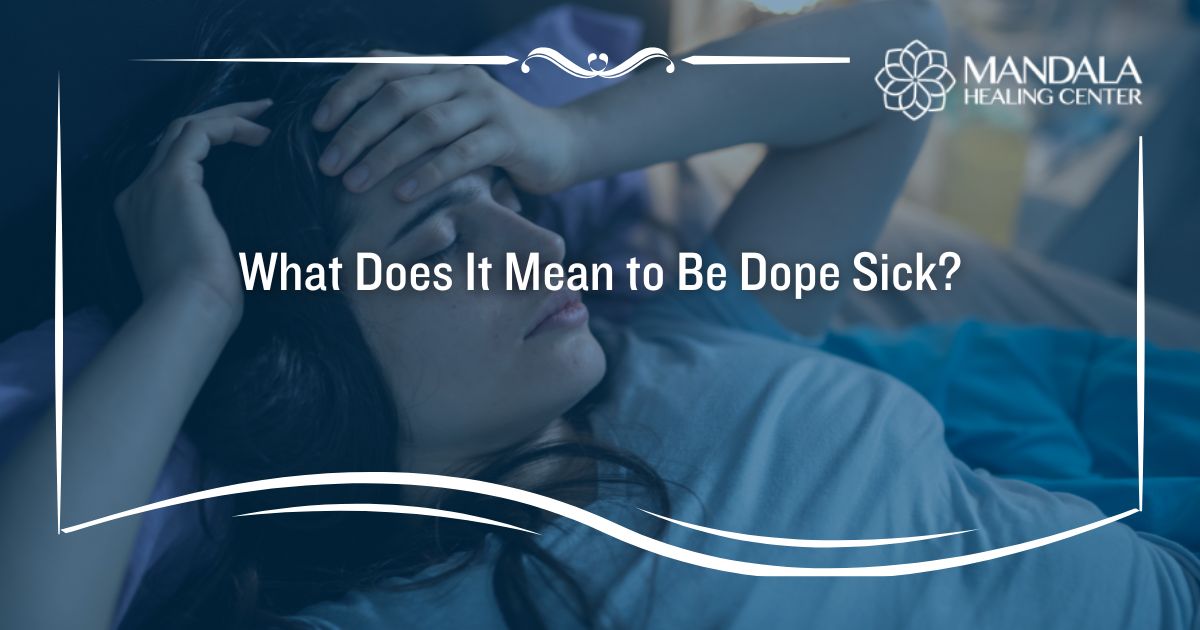
If you’ve ever seen someone try to quit opioids or have tried to stop using them yourself, you may have heard the word “dopestick.” It’s not an official medical term, but one that many people use to describe the withdrawal symptoms that come after stopping opioids. These symptoms can be painful, exhausting, and even emotionally draining.
For many people, being dopesick feels like the worst flu of their life. It affects your body, thoughts, and emotions all at the same time, and is one of the biggest reasons why quitting opioids can be so hard. The fear of going through dopesickness alone can keep people stuck in their addiction, making it important to get the right support if you or a loved one is struggling.
In this article, you’ll learn more about:
- What being dopesick means
- What opioids are and how they work
- What substances cause dopesickness
- What the symptoms are
- How long it lasts
- What safe recovery looks like
- The difference between addiction and dependence
- Where to find support
Whether it’s you or someone you care about that’s facing an opioid addiction, help is available. The Mandala Healing Center provides personalized, evidence-based care at every step of the recovery process. Contact us at any time to learn more about how we can support you during this stage of your life.
What Does It Mean To Be Dopesick?
Dopesick is a slang term used to describe the intense and painful withdrawal symptoms that occur when someone dependent on opioids suddenly stops using. After using these drugs for a while, the brain and body get used to having them around. The drugs change the way the brain works, especially when it comes to handling pain, emotions, and stress. Over time, the brain starts to rely on the drug and stops making its own natural chemicals to help with those things.
When opioids are taken away, the brain struggles to adjust, and the symptoms are the body’s response to being abruptly cut off from a substance it’s grown used to. Being dopesick hits every system in the body, including your muscles, digestive tract, and nervous system.
The longer someone has been using opioids, and the more they’ve been using, the more likely they are to feel dopesick. Even people who were prescribed opioids by a doctor can go through withdrawal if they quit the drug all of a sudden. That’s why it’s important to have support when quitting. Medical detox programs can help reduce symptoms and make the process safer.
More About Opioids
In order to understand dopesickness, it’s important to know what opioids are and how they work.
Opioids are a group of drugs that are most commonly prescribed to treat pain. They work by attaching to special parts of the brain and nervous system called opioid receptors, which are proteins. This changes how the brain feels pain, and it often makes people feel calm, sleepy, or even happy. Because of this, opioids are not only powerful pain relievers, but also drugs that can affect your mood and emotions in strong ways.
Some opioids are prescribed by doctors for short-term use, like after surgery or a serious injury. Others are given for chronic conditions, like cancer or severe back problems. When taken exactly as prescribed, they can bring much-needed relief. However, when misused or taken for too long, the body starts to depend on them. This means that the person may need more of the drug to feel the same effects, or they might not feel good once they stop taking it. This is normally how opioid dependence and eventual addiction begin.
Opioid misuse has become a major health crisis across the United States. In 2022 alone, more than 81,000 Americans died from opioid-related drug overdoses, an increase of 400% in a decade. Opioid misuse and addiction affects people of all ages and backgrounds, from teenagers to grandparents, and from all types of communities. Some people start with a prescription and later turn to street drugs like heroin or fentanyl once the prescription ends.
However it starts, opioid dependence can quickly lead to serious consequences, including dopesickness, overdose, and even death. Knowing how these drugs function can make a big difference in getting the right help at the right time.
What Substances Cause Dopesickness?
You can get dopesick after using any type of drug that’s classified as an opioid. These drugs can be legal or illegal, but they all affect the brain in the same way. Some common opioids that cause dopesickness include:
- Heroin: Heroin is an illegal street drug made from morphine that enters the brain quickly, producing an intense and fast-acting high. It’s very addictive and often injected, snorted, or smoked, which increases the risk of overdose and serious health issues.
- Fentanyl: Fentanyl is a man-made (synthetic) opioid that is 50 times stronger than heroin and 100 times stronger than morphine. It’s sometimes prescribed for severe pain, like that associated with cancer. It can be deadly even when taken in small amounts, especially when it’s mixed into other street drugs without the person knowing.
- Morphine and codeine: These are natural opioids often used in hospitals to manage pain after surgery or to recover from a life-threatening illness. While they are helpful when used as prescribed, they can still cause addiction and withdrawal when taken over longer periods.
- Methadone and buprenorphine: These medications are used to help people recover from opioid addiction by reducing cravings and easing withdrawal symptoms. However, if someone stops taking them cold turkey without proper medical guidance, they can still go through withdrawal and feel dopesick as a result.
- Oxycodone: Oxycodone is a prescription opioid used to treat moderate to severe pain and is found in brand-name medications like OxyContin and Percocet. It carries high risk of dependence, especially when taken in higher doses or for long periods.
- Hydrocodone: Hydrocodone is a commonly prescribed pain medicine found in drugs like Vicodin and Norco, often used for dental or injury-related pain. It’s similar to oxycodone and can also lead to physical or emotional dependence if misused.
Even though these drugs can be helpful when used the right way, they all have the potential to cause dependence. Dopesickness can happen to anyone whose body has grown used to opioids, not just people who misuse drugs.
Signs and Symptoms of Being Dope Sick
Dopesickness often affects the whole body and mind, with symptoms varying from person to person. These symptoms can show up in just a few hours after the last dose, depending on the type of opioid used and how much was taken. Some effects are physical, while others are emotional or mental. Together, they can be one of the worst experiences imaginable.
Physical
Some of the most commonly reported physical symptoms of dopesickness include:
- Nausea and vomiting: Many people report having an upset stomach all the time, making it hard to even drink water without getting sick. This can lead to dehydration, a much more serious concern.
- Restlessness: Some people can’t sit still and even experience restless leg syndrome, which can make it more difficult to fall asleep.
- Diarrhea: Having to go to the bathroom constantly isn’t only annoying, but it can cause dehydration and overall weakness.
- Runny nose and watery eyes: These symptoms make it feel like a really bad cold or flu, adding to the overall discomfort of the experience.
- Chills and sweating: Someone may be hot one moment and freezing the next, coming in waves and without any warning.
- Muscle and bone pain: Deep aches all over the body are common.
- Insomnia: Feeling tired but being unable to sleep is one of the most common complaints, often due to racing thoughts and physical pain.
- Shaking or tremors: Some people physically shake or feel uncontrollable twitches throughout their body.
- Fatigue: General tiredness all throughout the day can make it challenging to stay productive.
Usually, these symptoms are the worst in the first few days and then start to get better. However, some people may feel sick longer, especially if they were using a stronger opioid like fentanyl over a long period.
Mental
These mental and emotional symptoms can be just as hard to deal with as the physical ones:
- Anxiety: A person might feel nervous, on edge, or anxious for no apparent reason.
- Depression: Feelings of sadness or hopelessness are common during withdrawal.
- Nightmares or bad dreams: If the person is able to fall asleep, the experience may not be so pleasant, as nightmares and other distressing dreams are common.
- Irritability: People might feel angry or upset even over seemingly small things.
- Confusion or trouble thinking: Some people describe this symptom as feeling like their head is foggy.
- Cravings: Cravings can be intense during this time, and sometimes the brain will try to convince the individual that using just a little bit of the drug will make everything better. Usually, though, this only leads to a relapse.
Because both the mind and body are affected during withdrawal, being dope sick can feel like too much to handle. While some people turn to the drug for relief, others decide to get professional help to start to feel better.
[elementor-template id=”173075″]
How Long Does Dopesickness Last?
The length of time dopesickness lasts can vary depending on several factors, including the type of opioid used, how long the person has been using it, and whether they get medical assistance or not.
For many people, the worst symptoms of opioid withdrawal start within 6-12 hours after the last dose, especially with short-acting opioids like heroin or oxycodone. With longer-acting opioids like methadone or fentanyl, it may take 24 to 48 hours for symptoms to begin.
The most intense part of withdrawal usually happens during the first 3 to 5 days. This is when people usually experience the worst symptoms, like vomiting, diarrhea, chills, and body aches.
After that, they start to improve, but the mental symptoms like anxiety, depression, and cravings may stick around longer. For some people, the midler symptoms can last for a few weeks, particularly if their body was heavily dependent on opioids.
Remember that recovery is different for everyone. Some people bounce back quickly, while others need more time and support.
What Is PAWS?
PAWS stands for post-acute withdrawal syndrome. It’s a word used to describe the longer-lasting symptoms that can happen after the initial part of withdrawal comes to an end. While most of the physical symptoms of dopesickness go away within the first week or two, PAWS can last for several weeks or even months. These symptoms are usually more emotional or mental than physical, which doesn’t make them any easier to handle.
Common signs of PAWS include feeling tired all the time, having trouble sleeping, and struggling with mood swings. Some people may feel sad or anxious as well, while others might not feel motivated to complete their everyday responsibilities, like going to work or taking care of their home life. Cravings for their drug of choice may still come and go, especially when they’re feeling stressed or triggered. These feelings may not be as intense as during the first few days of withdrawal, but they can still be hard to deal with.
PAWS doesn’t affect everyone, but it’s fairly common in those who have been using opioids for a long time. It can make recovery feel frustrating because just when things seem to be getting better, the symptoms come back unexpectedly.
Treatment: Safely Recovering from Being Dope Sick
Recovering from dopesickness is possible, but it’s safest and most effective when done with medical support. Many people try to quit opioids on their own, but the withdrawal symptoms can be so painful that they return to using them to get some relief. Going through a licensed addiction treatment program can help ease symptoms, lower the risk of relapse, and give the person a stronger chance at lasting recovery.
A safe recovery plan often includes the option for medical detox, where doctors and nurses monitor the person’s health and provide medications to help them stay comfortable. These medications may help with nausea, anxiety, pain, and sleep. In some cases, medication-assisted treatment (MAT) like methadone, buprenorphine, or naltrexone may be used, which are each approved by the FDA. Methadone and buprenorphine both reduce cravings and control symptoms, while naltrexone blocks the effects that opioids have on the body.
Once detox is complete, the next stage of recovery involves healing mentally, emotionally, and physically and learning how to return to your everyday life without needing to turn to opioids. A quality treatment program typically includes:
- Individual therapy: One-on-one sessions with a therapist give people the chance to look at the potential causes of their addiction. Topics that might be discussed include past wounds and traumas, stress, shame, or fear. Therapy helps people think more positively, respond more healthily to triggers, and learn new coping skills to use during stressful times.
- Group therapy: Group therapy is a great place to build a community with other people struggling with the same issues. Being with like-minded individuals often makes people feel more comfortable sharing their concerns, struggles, and hopes for the future. In this space, participants can offer and receive advice, encouragement, and perspective.
- Family therapy: Addiction can deeply affect families, causing breakdowns in trust, communication, and connection. Family therapy allows the whole unit to be part of the healing process, where each member helps form a strong support network. Families will gain tools to support their loved one’s recovery without enabling harmful patterns.
- Relapse prevention: Relapse prevention is a key part of staying sober in the long run. In treatment, people learn how to recognize warning signs, understand what their triggers are, and create a personalized plan to stay on track when challenges come up. These skills help prevent setbacks and prepare people to manage cravings, stress, and social pressure in the real world.
- Holistic therapies: Some facilities may incorporate holistic therapies into the treatment program, which focus on physical, emotional, and mental healing. Common ones include yoga, mindfulness, music therapy, meditation, and more. These are methods that people can carry into their everyday lives, giving them new ways to cope with stress that don’t involve using drugs.
- Aftercare planning: Before leaving treatment, most people work with their team to build an aftercare plan. This usually includes ongoing therapy appointments, peer support groups, and follow-ups in case the medication type or dosage needs to be changed. Sometimes, the faculty may recommend sober living options to help with the transition.
- Life skills training: In these classes, people learn the skills needed to live a healthy, productive, and stable life. This might include money management, meal prep, or getting their resume ready to find a job. Building a future without drugs can be much easier when the person feels confident in their abilities.
Each part of the treatment process plays an important role in helping someone stay on the path to recovery. Healing takes time, and it’s not always linear, usually happening in a series of small but significant steps.
Opioid Dependence vs. Addiction
When talking about opioids and other substances, it’s easy to get dependence confused with addiction. While the two are related, they ultimately mean different things, and understanding the difference can be an essential part of figuring out what kind of help someone needs.
Dependence is when your body gets used to having a drug, like an opioid, regularly. Even if you’re taking it exactly as your doctor told you to, your brain and body can start to rely on it. When you stop taking it, you might feel super sick and go through a withdrawal phase. Dependence, then, simply refers to your body’s reaction to not having something it has grown used to.
Addiction is when someone keeps using a drug even when it’s causing problems in their life. They may feel as if they can’t stop, even when they really want to. Addiction affects how a person thinks, acts, and feels. It can lead to strong cravings and make it hard to focus on anything else. Sometimes, people will go to great lengths to get the substance, including participating in risky or dangerous behaviors or putting others at risk of harm.
It’s entirely possible for someone to be dependent without being addicted, and someone with an addiction might still struggle even after the withdrawal period is over. Effective treatment focuses on both the mind and body, healing both parts to manage and try to prevent future problems.
Addiction Doesn’t Have to Last Forever
When you’re in the middle of experiencing dopesickness, it may feel like it’ll never go away. The truth is, it can’t last forever, and there are ways to make it more bearable. At Mandala Healing Center, our team understands just how difficult it can be not only to ask for help, but to stick with the recovery process. That’s why our staff is composed of doctors, therapists, and other professionals who can assist with every aspect of your healing.
If you’re worried about yourself or a loved one, don’t hesitate to reach out to us. We can provide more details about insurance coverage, program options, or even help you schedule your first intake appointment. You don’t have to go through this all by yourself.
Resources:
- https://pmc.ncbi.nlm.nih.gov/articles/PMC10764838/
- https://madeforthismoment.asahq.org/pain-management/opioid-treatment/what-are-opioids/
- https://www.dea.gov/sites/default/files/drug_of_abuse.pdf
- https://www.psychiatry.org/patients-families/opioid-use-disorder
- https://www.sahealth.sa.gov.au/wps/wcm/connect/public+content/sa+health+internet/clinical+resources/clinical+programs+and+practice+guidelines/substance+misuse+and+dependence/substance+withdrawal+management/opioid+withdrawal+management
- https://pmc.ncbi.nlm.nih.gov/articles/PMC6830740/
- https://www.hhs.texas.gov/services/mental-health-substance-use/mental-health-substance-use-resources/fentanyl-one-pill-kills
- https://medlineplus.gov/ency/article/000949.htm
- https://www.hss.edu/conditions_understanding-addiction-versus-dependence.asp#:~:text=Physical%20dependence%20is%20when%20the,as%20a%20chronic%2C%20treatable%20illness.
Learn more about residential addiction treatment.
Previous in this series: The Dangers of Complacency in Addiction Recovery · Next: The Relationship Between Addiction and Infidelity
-

What Happens When You First Enter Rehab?
October 21, 2026
-

When Should You Go to the Hospital for Alcohol Withdrawal?
October 21, 2026
-

Does Insurance Cover Drug and Alcohol Rehab in Florida?
October 13, 2026
-

Signs Your Drinking May Be Becoming a Problem
October 8, 2026
-

How to Get Into Rehab Quickly in Florida
September 30, 2026