
Recovering from alcohol addiction is a deeply personal journey—one that often includes spiritual reflection, surrender, and a desire to build a new way of life. For many people facing alcohol use disorder, Alcoholics Anonymous (AA) offers a structured, supportive, and spiritually grounded path to lasting sobriety.
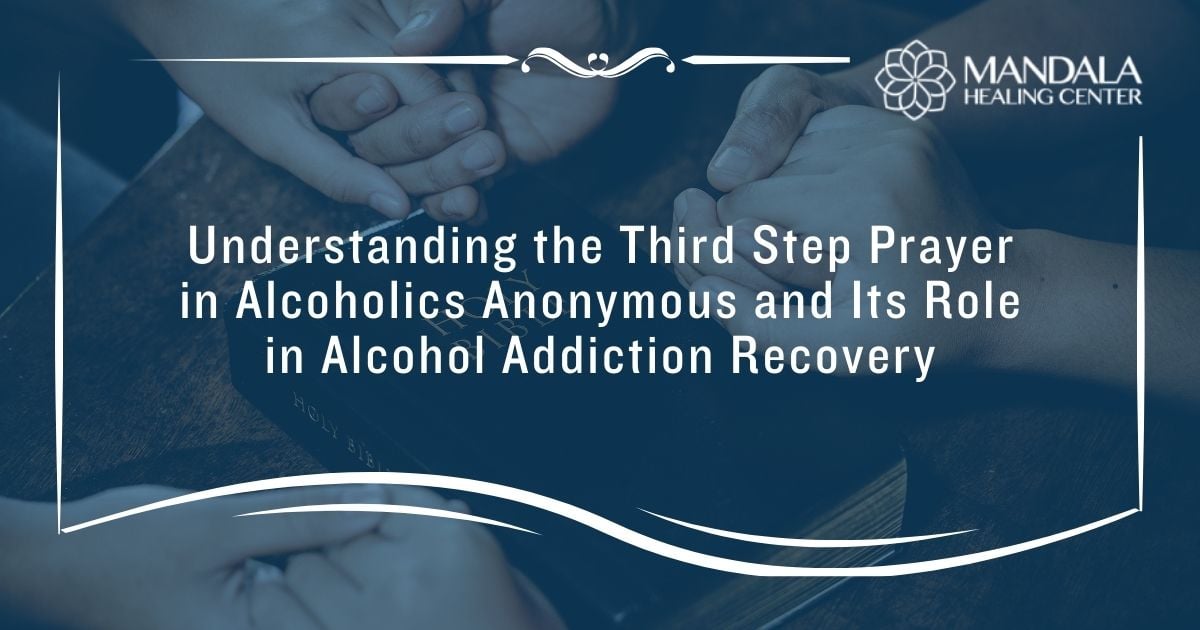
Central to that path is the 12-step process. One of its most transformative moments comes with the Third Step, which invites individuals to make a conscious decision to turn their lives over to the care of a Higher Power. The Third Step Prayer, which reflects this spiritual surrender, has become a guiding light for many in alcohol addiction recovery.
This article explores the Third Step Prayer, its meaning within AA, and how it supports people working toward freedom from alcohol addiction.
What is Alcoholics Anonymous?
Alcoholics Anonymous is more than a support group—it is a community bound by shared experience, spiritual principles, and a commitment to healing. Founded in 1935, AA has helped millions overcome addiction by guiding them through the 12 Steps, which include moral inventory, amends, service to others, and surrender to a power greater than oneself.
At the heart of AA is the belief that self-will alone is not enough to overcome addiction. Many people in active addiction have tried countless times to control or moderate their drinking with no success. AA offers an alternative: surrendering the fight and embracing a spiritual solution through consistent steps and support from others who understand.
Understanding Step Three: Turning Over One’s Will
The third step reads:
“Made a decision to turn our will and our lives over to the care of God as we understood Him.”
This step marks a significant turning point in the recovery process. After acknowledging powerlessness in Step One and recognizing a Higher Power in Step Two, Step Three asks for a conscious choice—to trust that Higher Power with your life and recovery.
This isn’t about blind faith. It’s about recognizing that self-reliance—particularly a self shaped by addiction—is no longer working. Turning over your will is a practice of humility, hope, and willingness to try a new path.
What is the Third Step Prayer?
In AA, people who take step three may recite a “Third Step Prayer.” This prayer is as follows, according to the Big Book of Alcoholics Anonymous:
“God, I offer myself to Thee — to build with me and to do with me as Thou wilt. Relieve me of the bondage of self, that I may better do Thy will. Take away my difficulties, that victory over them may bear witness to those I would help of Thy Power, Thy Love, and Thy Way of life. May I do Thy will always. Amen.”
What is the Role of the Third Step Prayer in AA and Recovery?
In Alcoholics Anonymous, the Third Step Prayer marks an important shift in the recovery process. Step Three asks members to decide to turn their will and their lives over to the care of a Higher Power “as we understood Him.” The prayer gives people a simple way to express that decision.
One of the main ideas in the prayer is being freed from the “bondage of self.” In plain terms, this refers to the self-focused thinking and need for control that often play a role in addiction. Many people in recovery recognize that trying to manage everything on their own did not work. By saying this prayer, they acknowledge that they need help and are willing to stop relying only on themselves.
The prayer also encourages a shift in focus. Instead of asking only for personal relief, it includes the hope that overcoming challenges can help others. This reflects a key part of 12-step recovery: staying sober is often strengthened by supporting other people who are struggling.
Although the wording comes from the Alcoholics Anonymous and uses traditional religious language, members are free to interpret it in a way that fits their own beliefs. “God as we understood Him” allows people to define a Higher Power in personal terms.
Overall, the Third Step Prayer serves as a statement of willingness. It signals a decision to let go of constant self-direction, accept guidance and support, and move forward in recovery with a new mindset.
The Benefits of Using Alcoholics Anonymous in Addiction Recovery
Addiction can be isolating, overwhelming, and destructive—but recovery doesn’t have to be faced alone. Millions of people worldwide have found lasting healing through Alcoholics Anonymous (AA), a fellowship built on shared experience, mutual support, and spiritual principles. For individuals seeking freedom from alcohol or other substances, AA provides a structured, welcoming path forward.
Whether someone is taking their first steps toward sobriety or has been in recovery for years, AA offers benefits that go far beyond simply staying sober. This section explores the key ways that Alcoholics Anonymous supports individuals on their journey through addiction recovery.
1. A Supportive, Judgment-Free Community
One of the most immediate benefits of AA is the sense of belonging. Many people entering recovery carry shame, fear, and guilt about their substance use. AA meetings provide a space where individuals can speak openly and honestly about their struggles without judgment.
Everyone in the room understands what it means to live with addiction. This shared experience creates a bond that’s hard to find elsewhere. In AA, people listen with compassion, offer encouragement, and remind each other that they’re not alone. For many, this support system becomes a lifeline—especially in moments of doubt or when relapse risk is high.
2. Structure Through the 12 Steps
The 12 Steps are the foundation of AA’s recovery model. These steps guide individuals through self-reflection, accountability, spiritual growth, and service to others.
Each step addresses a different aspect of addiction, from admitting powerlessness to making amends and helping others. The process is not about perfection but about progress. This structure gives people a clear path to follow, which can be incredibly helpful in the chaotic early days of sobriety.
Working the steps encourages:
- Personal responsibility
- Honest self-examination
- Letting go of resentment and guilt
- Living with integrity and purpose
These are not just recovery skills—they’re life skills that continue to support individuals long after they stop drinking or using.
3. Spiritual Growth and a Higher Power
AA is known for its spiritual foundation, but it’s important to note that it is not religious. The idea of a “Higher Power” is central, but each person defines that power for themselves. Whether it’s God, the universe, nature, or simply the group’s collective strength, AA encourages individuals to look beyond themselves for guidance.
This spiritual aspect offers an alternative to self-reliance, which, for many in addiction, has led to repeated harm. Through practices such as prayer, meditation, and surrender, people develop a deeper sense of peace, hope, and trust in something greater.
Spiritual growth in AA often brings:
- Inner peace
- A renewed sense of purpose
- The ability to let go of control
- Connection beyond material concerns
For those who felt spiritually lost or disconnected in addiction, AA can be a path to meaningful spiritual healing.
4. A Safe Place for Honesty
Addiction thrives in secrecy. In contrast, AA thrives on honesty. Meetings are a place where individuals are encouraged to share openly about their thoughts, emotions, and experiences without fear of being judged or shamed.
This kind of transparency is healing. It helps break down denial and fosters self-awareness, which is crucial for long-term recovery. In learning to speak the truth about themselves, individuals also begin to forgive themselves—and eventually, to grow.
5. Daily Practice and Routine
AA encourages members to engage in their recovery daily. Many attend meetings regularly, read AA literature, speak with their sponsor, and reflect on the program’s principles. This daily practice helps reinforce healthy habits and keeps individuals focused on their sobriety.
The routine of attending meetings also provides structure—a key factor in maintaining long-term recovery. Having a regular schedule reduces the risk of returning to old patterns, especially during high-stress periods or emotional setbacks.
6. Sponsorship and Mentorship
In AA, a sponsor is someone further along in recovery who supports and guides a newcomer through the 12 Steps. This mentorship is incredibly valuable. Sponsors offer accountability, encouragement, and wisdom based on lived experience. They help individuals navigate challenging times and celebrate victories—big or small.
Having a sponsor also reinforces the principle that recovery is not meant to be done alone. It’s a reminder that support is always available, and that asking for help is a strength, not a weakness.
7. Focus on Service and Helping Others
One of the most potent parts of AA is its emphasis on helping others. Step 12 encourages members to carry the message of recovery to others struggling with addiction. This service aspect not only strengthens sobriety—it also brings a sense of fulfillment and purpose.
When individuals share their experience, strength, and hope, they often find healing. Helping others reminds them of how far they’ve come and reinforces the values that keep them sober.
Service in AA can look like:
- Being a sponsor
- Leading or speaking at meetings
- Volunteering at events
- Simply offering a kind word to someone new
This outward focus shifts attention away from self-centeredness—a mindset that often fuels addiction—and toward compassion and connection.
8. Accessibility and Inclusiveness
AA meetings are available in almost every city and town—and increasingly, online. They are free, open to all who want to stop drinking, and inclusive of diverse backgrounds and beliefs.
There are no prerequisites, insurance requirements, or waiting lists. Accessibility is a significant reason why so many people turn to AA when they need help fast. It’s a program built on openness, where all are welcome.
Find Treatment and Support Now
Recovery from addiction is not just about stopping drinking or drug use—it’s about building a new, healthier, more meaningful life. Alcoholics Anonymous offers a tried-and-true pathway to that life through fellowship, structure, spiritual guidance, and service.
Whether someone is newly sober or seeking a more profound connection in their recovery, the tools and support found in AA can make a lasting difference. By joining with others who understand the struggle and walking the 12-step path, countless individuals have not only overcome addiction but found hope, healing, and a new way of living.
If you or someone you love needs treatment or support to navigate addiction recovery, you are not alone. Find the care you need at the Mandala Healing Center. Explore your treatment options or schedule an intake appointment by contacting our specialists today.
FAQ: The Third Step Prayer and Its Role in Recovery
1. Do I need to believe in God to use the Third Step Prayer?
No. The Third Step Prayer is rooted in spirituality, not organized religion. In Alcoholics Anonymous and other 12-step programs, the term God can refer to a Higher Power of your understanding. This allows individuals to define their own source of strength—whether that’s a deity, nature, the universe, or even the collective support found in AA meetings.
2. How often should I say the Third Step Prayer?
While there’s no strict rule, many in addiction recovery incorporate it into their daily routine as a daily practice—especially in the morning. Reciting it at the start of the day helps individuals consciously choose to relinquish control and lean on divine guidance for the challenges that may arise.
3. Can I rewrite the Third Step Prayer in my own words?
Absolutely. Many people find that using everyday language or creating a personal interpretation of the prayer makes it more meaningful. The goal is a heartfelt appeal to a power greater than oneself, not perfect wording. As long as the message reflects surrender, willingness, and trust, it can serve the same purpose.
4. What if I struggle to let go of self-will?
Struggling with self-will is common in early recovery. It’s a lifelong process of learning to trust something beyond self-reliance. The Third Step Prayer isn’t a one-time fix—it’s a spiritual tool to remind individuals to seek spiritual guidance and make a conscious decision to align with their way of life. Progress, not perfection, is the goal.
5. Is the Third Step Prayer only for people in Alcoholics Anonymous?
While it originates from AA, the prayer’s message is universal. Anyone on a spiritual journey or seeking inner peace during addiction recovery can benefit from its message of surrender and faith. Many non-AA programs and individuals use it for comfort, strength, and hope.
Sources

-

What Does Freebasing Mean?
April 13, 2026
-
How to Get Florida Medicaid to Pay for Drug & Alcohol Rehab Services
April 10, 2026
-
How Long Does Klonopin Stay in Your System?
April 9, 2026
-
What Is the Butrans Patch and How Does It Work?
April 9, 2026
-
Vivitrol vs Sublocade: What Is the Difference?
April 9, 2026