 Skip to the content

Detoxing alone can be dangerous. Our medical detox in West Palm Beach manages withdrawal medically from day one.
For those battling addiction, the first step toward recovery is often the most challenging—detoxification. The detox process is the body’s natural way of eliminating addictive substances, but it can be physically and emotionally overwhelming. That’s where medical monitoring during detox becomes essential.
In a medically supervised detox, individuals are cared for by trained medical professionals who understand the complexities of substance withdrawal and are equipped to handle the wide range of withdrawal symptoms that may occur. With proper medical care, the path to lasting recovery begins in a safe and supportive environment.
Why Medical Monitoring During Detox Matters
Detox is not simply a matter of stopping drug or alcohol use. Depending on the substance, the length of use, and underlying mental health conditions, withdrawal can be mild, moderate, or even life-threatening.
Symptoms can include:
- Muscle pain
- High blood pressure
- Anxiety or depression
- Delirium tremens (especially during alcohol withdrawal)
- Seizures
- Hallucinations
- Extreme cravings
When people attempt to detox at home, they often underestimate the severity of these symptoms. In severe cases, complications can become life-threatening without immediate medical intervention. That’s why detox should never be done alone.
Vital Signs & Medical Supervision
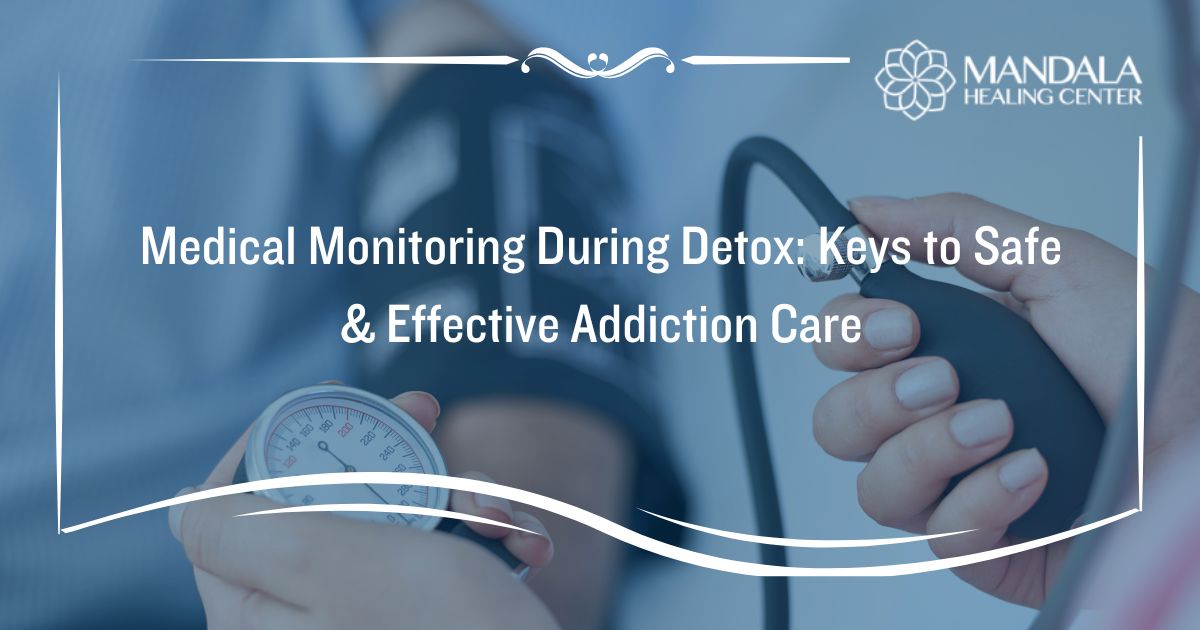
During a professional detox, healthcare staff consistently monitor vital signs—heart rate, blood pressure, temperature, and respiratory function. This ensures that any changes in a person’s physical and mental health are addressed promptly.
This level of medical supervision is crucial for people experiencing acute withdrawal, especially from central nervous system depressants like alcohol, benzodiazepines, or barbiturates. These substances can trigger dangerous symptoms like seizures or delirium tremens, which require rapid and skilled medical support.
Understanding the Withdrawal Process
When someone stops using drugs or alcohol, the body enters withdrawal. This is the period when the body readjusts to functioning without the addictive substance. For many, it’s an uncomfortable and even painful process.
Common withdrawal symptoms include:
- Muscle aches and cramping
- Nausea and vomiting
- Sweating and chills
- Anxiety, irritability, or mood swings
- Sleep disturbances
- Cognitive difficulties
These symptoms are not just uncomfortable—they can deter someone from continuing with addiction treatment. Without support, many relapse during or shortly after the withdrawal process.
[elementor-template id=”173075″]
The Role of Medical Professionals in Detox
In a medically assisted detox, a team of healthcare professionals—including doctors, nurse practitioners, and physician assistants—works together to provide compassionate and evidence-based care. They assess the patient’s physical and emotional needs, manage medications, and monitor progress 24/7.
Every person entering detox has a unique history. Medical teams evaluate:
- Previous drug or alcohol use
- Type and severity of substance dependence
- Past attempts at detox
- Current mental health status
- Co-occurring medical conditions
- Family and medical history
By understanding each person’s risk factors, clinicians can tailor a treatment plan that promotes safety and minimizes the risk of complications.
How Medical Monitoring Helps Alleviate Withdrawal Symptoms
One of the primary goals of professional medical supervision during detox is to alleviate withdrawal symptoms. This is often achieved through medication-assisted treatment (MAT) and continuous medical monitoring.
MAT involves the use of medications that can reduce cravings, stabilize mood, prevent seizures, and decrease anxiety or agitation. These medications can minimize physical discomfort, helping people stay on track throughout detox and recovery.
For example:
- Individuals undergoing alcohol detox may be given medications to prevent delirium tremens or seizures.
- Those in opioid withdrawal might receive methadone, buprenorphine, or other medications to ease withdrawal symptoms and reduce cravings.
- People with benzodiazepine withdrawal are carefully tapered off the drug under medical supervision to avoid rebound symptoms or seizures.
These interventions not only make the withdrawal safely achievable—they also improve the chances of a successful detox and sustained recovery.
Mental Health & Emotional Support
Detox isn’t just a physical process. Emotional instability, anxiety, depression, and even suicidal thoughts can emerge during withdrawal, especially in individuals with underlying mental health conditions.
Through medically supervised detox, mental health care is integrated into the recovery process. This can include:
- Psychiatric evaluations
- Counseling
- Behavioral therapy
- Medication for mood stabilization
- Supportive psychotherapy
Providing care for both physical and mental aspects of addiction ensures a more comfortable withdrawal process and lays the foundation for ongoing therapy.
Avoiding Physical Harm & Medical Emergencies
Attempting detox without medical assistance can be dangerous. Severe withdrawal symptoms can develop suddenly, and without access to emergency care, people may face long-term health consequences or even death.
Examples of common medical emergencies during detox include:
- Seizures
- Dehydration or electrolyte imbalance
- Heart complications from high blood pressure
- Self-harm or suicidal behavior
- Respiratory distress
Medical monitoring reduces these risks by providing immediate interventions and ensuring constant observation. This not only promotes safety but also reassures the individual and their loved ones that they’re in capable hands.
From Detox to Treatment: What Comes Next
While detox is an essential first step, it is not a cure for substance use disorders. The real work begins after withdrawal, in structured treatment programs designed to address the root causes of substance abuse.
Following medical detox, patients are often transitioned into:
- Inpatient or outpatient treatment centers
- Detoxification programs with integrated therapy
- Long-term addiction treatment options
- Personalized treatment plans
- Ongoing therapy and relapse prevention
The detoxification process alone does not ensure recovery. True healing occurs through behavioral therapies, support groups, skill-building, and learning to manage life without drugs or alcohol.
Choosing a Professional Detox Program
When seeking help for substance dependence, it’s crucial to choose a program that offers comprehensive medical monitoring, medication management, and holistic care.
Here are some features to look for:
- 24/7 access to medical professionals
- Staff trained in medically assisted detox
- Programs for alcohol detox, opioid withdrawal, and other drugs
- Focus on both physical and mental health
- Seamless transition to addiction treatment
- Emphasis on sustained recovery and relapse prevention
- Compassionate, patient-centered care
The right detox program can make the difference between a failed attempt and a successful start to recovery.
A Path Toward Healing: Finding Treatment and Support
Addiction is a disease, not a moral failing. Seeking help is a sign of strength. With medical support, the detoxification process can be made safer, more comfortable, and more effective.
No one should have to face substance withdrawal alone. If you or a loved one needs detox, treatment, or recovery support, you can find the help you need at the Mandala Healing Center. Learn about our programs or schedule an intake appointment by contacting our specialists today.
Frequently Asked Questions (FAQ)
1. How long does medically supervised detox usually take?
The length of a medically supervised detox depends on the substance used, the severity of dependence, and the individual’s health. On average, detox can last anywhere from 3 to 10 days. However, some substances like benzodiazepines or alcohol may require longer tapering protocols for safety.
2. Can I bring a loved one with me during detox?
Many treatment centers allow limited visitation or communication with loved ones during detox, depending on their policies. While having support is important, medical staff may restrict visits early on to ensure the patient can focus entirely on stabilization and recovery.
3. Is detox required before starting addiction treatment?
In most cases, yes. Detox is a critical first step for individuals who are physically dependent on drugs or alcohol. Clearing the body of substances allows individuals to begin therapy with a clear mind and reduces the risk of complications during treatment.
4. What happens if I leave detox early?
Leaving detox before completion can be dangerous, especially if severe withdrawal symptoms have not yet peaked. It also increases the risk of immediate relapse, overdose, or medical emergencies. If someone is struggling to stay, staff are trained to provide support and guidance.
5. Are holistic therapies used during medical detox?
Many detox programs incorporate holistic approaches—such as guided meditation, nutritional support, acupuncture, or light exercise—to reduce stress and promote comfort. While these methods don’t replace medical care, they can complement it and improve the overall experience.
6. What if I relapse after detox? Can I try again?
Absolutely. Relapse is not a failure—it’s often part of the recovery journey. Returning to treatment after a relapse is not only common but encouraged. Each attempt brings new insight and increases the chances of long-term recovery.
Sources
- SAMHSA: Substance Use Disorder Treatment Options
- CDC: Medication-Assisted Treatment for Opioid Use Disorder
- NIMH: Finding Help for Co-Occurring Substance Use and Mental Disorders
- National Library of Medicine: Withdrawal Management
Previous in this series: Medical Detox · Next in this series: Phentermine Withdrawal Symptoms, Timeline, and Treatment
Previous in this series: Is Detox in Palm Beach County Covered By Insurance · Next: Painkiller Detox in West Palm Beach Florida



-

Signs Your Drinking May Be Becoming a Problem
October 8, 2026
-

How to Get Into Rehab Quickly in Florida
September 30, 2026
-

Can You Go to Rehab Without Detoxing First?
September 24, 2026
-

Can You Become Addicted to Alcohol Without Drinking Every Day?
September 19, 2026
-

Inpatient vs. Outpatient Rehab: Which One Is Right for You?
September 14, 2026