 Skip to the content

If you or someone you love is ready for treatment, the first step is one call. Our West Palm Beach addiction treatment starts with a confidential assessment.
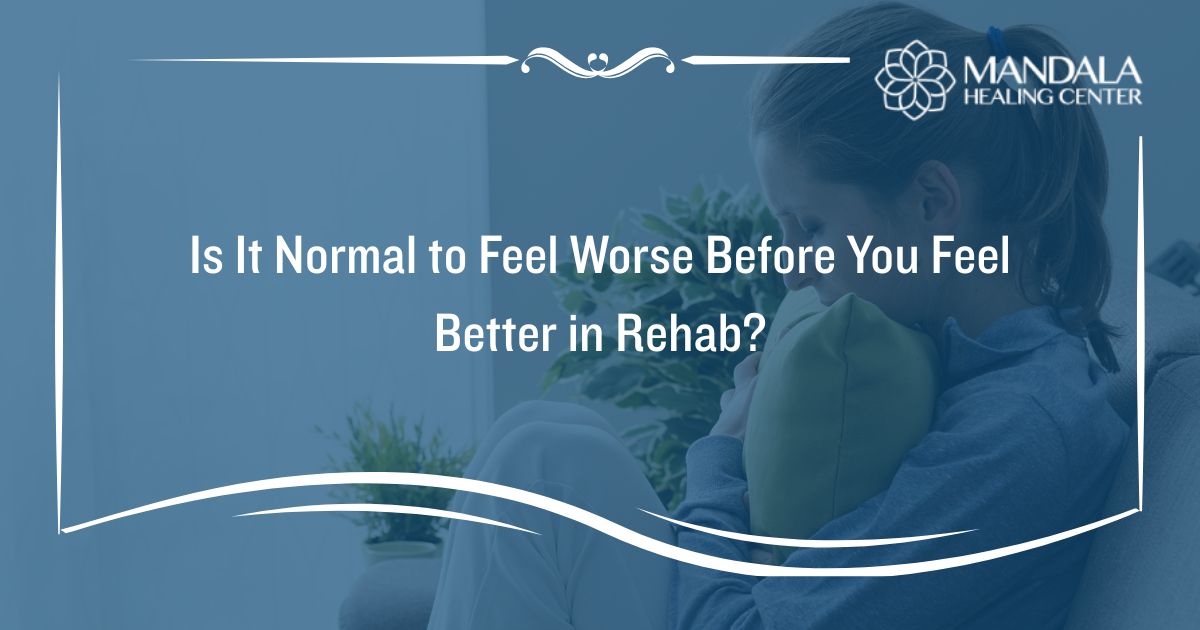
If you’ve recently entered addiction treatment or are watching a loved one begin their recovery journey, you might be facing a surprising — even unsettling — reality: instead of feeling better right away, things may actually feel worse.
But here’s the truth: this is a normal part of the treatment process, and for many, it’s the first sign that healing is truly underway.
Complex emotions and slow recovery can be common as your body and brain recover after substance use. Here is a breakdown of the reasons you may feel worse before you feel better in recovery.
Why Does Recovery Feel So Hard at First?
When people seek treatment for substance use disorders, they’re often carrying years — sometimes decades — of emotional pain, trauma, physical damage, and psychological dependency. Whether from illegal drugs, prescription medications, or alcohol, the brain and body have adapted to the presence of substances.
Removing them isn’t just difficult — it’s a seismic shift. The detox process can challenge the mind and body in many ways, resulting in a range of emotional and physical symptoms.
During the early stages of treatment, individuals commonly experience:
- Uncomfortable feelings such as anxiety, irritability, or even depression
- Negative thoughts about the past or fear of the future
- A disrupted immune system and sleep cycle
- Intense cravings or emotional discomfort
This is the body and brain recalibrating and healing. And like any detox, it can feel worse before it feels better.
Understanding the Body-Brain Response
Substances like opioids, alcohol, or stimulants hijack the brain’s reward system, often leading to a cycle of self-medication. People turn to substances to numb mental health issues, avoid trauma, or escape stressful situations. Over time, the body builds a tolerance, requiring more of the substance to achieve the desired effect.
When you stop using — whether in a treatment center or through an outpatient program — the brain doesn’t immediately return to “normal.” Instead, it enters a state of chemical chaos, attempting to find equilibrium. This can trigger feelings of anxiety, irritability, fatigue, or even detachment from reality.
Is this normal? Yes. Is it dangerous? This is often the case, which is why medical supervision and professional help are crucial during early recovery.
It is essential to be aware of your own thoughts, feelings, and experiences throughout the recovery process.
Emotional Detox: The Mental Health Crash
Addiction is rarely just about drugs or alcohol. It’s frequently interwoven with deeper mental health conditions — anxiety disorders, depression, PTSD, bipolar disorder, and more. This is known as dual diagnosis, and it’s a common condition.
As substances leave the system, the emotional defenses built up over time begin to crumble. Old wounds resurface. Some people feel surprised by the flood of emotions that can occur in recovery.
Emotions feel raw and overwhelming. In fact, a 2022 SAMHSA report noted that nearly 50% of people with a substance use disorder also have a co-occurring mental health disorder.
This is where many people question their progress. “If I’m getting better, why do I feel worse?”
The answer: emotional pain is surfacing now that it’s no longer being numbed.
Why “Feeling Worse” Might Be a Sign of Progress
Recovery isn’t linear. It’s not a straight road with perfectly timed milestones. Often, one has to hit rock bottom — emotionally, mentally, and sometimes physically — before they can begin to rebuild.
Think of it like cleaning out a cluttered basement. Things get messier before they get organized.
Feeling worse can indicate:
- You’re truly facing the problem, not avoiding it
- Your brain is beginning to heal
- You’re no longer constantly thinking about using, but rather about coping mechanisms
- You’re engaging with therapy, not hiding behind substances
Common Symptoms in Early Recovery
If you or your loved one is in the early stages of treatment, here are some common symptoms that may appear:
- Mood swings
- Sleep disruptions
- Cravings and intrusive thoughts
- Physical aches and discomfort
- Emotional instability, especially during group therapy or individual therapy sessions
- Guilt, shame, or regret from reflecting on the impact of drug use on family members, career, or social life
These and other symptoms can be managed with the right support.
[elementor-template id=”173075″]
How Treatment Programs Support This Phase
A quality treatment plan includes more than detox. It should provide a framework to support patients during this vulnerable stage.
Modern addiction treatment programs often incorporate:
- Counseling and behavioral health approaches like CBT and DBT
- Family therapy to rebuild broken connections
- Support groups to normalize emotional lows and share strategies
- Medication-Assisted Treatment (MAT), where appropriate
- Education on healthy habits, nutrition, and deep breathing for emotional regulation
Importantly, this approach helps patients learn to handle stressful situations without returning to substances.
Building Healthy Habits to Support Recovery
The road to addiction recovery isn’t just about abstinence. It’s about creating a life that feels worth living — one that no longer requires substance use to cope with life’s challenges. This includes:
- Developing a healthy lifestyle — regular sleep, nutritious meals, and physical activity
- Replacing old routines with fulfilling, sober activities
- Setting boundaries to stay sober in triggering environments
- Practicing mindfulness and deep breathing to anchor the mind
- Reconnecting with family and building new, supportive friendships
- Learning to be honest with yourself and others about struggles
Why Support is Essential — Especially When It Feels Hard
Recovery isn’t meant to be done in isolation. When the emotional intensity spikes, the risk of relapse increases — not because the person is weak, but because the pain can feel unbearable.
This is when community matters most. Staying connected to a support group, talking to a therapist, or spending time with people who truly understand what you’re going through can make the difference between enduring and giving up.
According to the National Institute on Drug Abuse, participation in support groups significantly reduces relapse rates, particularly during the first six months of sobriety, often the most challenging stretch.
How Long Until It Feels Better?
There’s no universal answer. For some, the fog lifts within a few weeks. For others, it may take months. Factors that impact recovery speed include:
- Duration and intensity of substance abuse
- Whether there is a mental health disorder involved
- Quality and type of treatment programs
- The person’s social support system
- Commitment to creating and sustaining healthy habits
But here’s the key takeaway: it will get better. With consistency, compassion, and structure, the weight lifts. And when it does, many find a new sense of clarity, purpose, and life that was long buried.
Final Thoughts: From Darkness to Breakthrough
The idea that you might feel worse before you feel better isn’t just a saying — it’s a clinical truth. But it’s also a promise: this pain, this discomfort, this emotional turbulence — it’s the storm before the calm. It’s the part where the real work begins, and where real healing becomes possible.
Recovery isn’t about returning to who you were before addiction. It’s about discovering who you can be after it. And that process, while messy and painful, is often the most honest thing a person can do.
So yes — it’s normal to feel worse. But that doesn’t mean you’re going backward. More often than not, it means you’re finally moving forward.
If you or someone needs treatment or support to overcome substance abuse, you are not alone. Contact the Mandala Healing Center team to learn about our programs or to schedule an intake appointment.
Frequently Asked Questions (FAQ)
1. How do I support a loved one who’s struggling through the complex parts of early recovery?
Support begins with empathy and patience. Avoid lecturing or minimizing their discomfort. Instead, listen actively, offer encouragement, and educate yourself about the recovery process. Attending family therapy or support groups, such as Al-Anon, can help you understand their experience and maintain your own emotional boundaries.
2. What should I do if I experience a relapse during treatment?
A relapse doesn’t mean failure. It’s often a signal that a treatment plan needs adjusting. Speak openly with your care team or therapist. Relapse can provide valuable insights into triggers or unresolved emotional issues that require attention. The key is to return to treatment quickly and with honesty.
3. Can mental health symptoms get worse during detox, and how are they managed?
Yes, anxiety, depression, and mood instability can temporarily worsen as the brain adjusts to sobriety. Treatment centers are equipped to manage this with psychiatric care, medications when appropriate, and therapeutic support. Ongoing mental health care is often integrated into recovery plans for those with dual diagnoses.
4. How can I tell if a treatment program is reputable and well-equipped to handle difficult phases of recovery?
Look for programs that offer medical supervision, licensed clinicians, individualized treatment plans, and access to both mental health and addiction specialists. Accreditation from organizations such as CARF or The Joint Commission is also a reliable indicator of quality care.
5. What are some red flags that someone is struggling but hiding it during recovery?
Watch for withdrawal from support systems, defensiveness, secrecy about daily routines, changes in mood or sleep, and avoiding therapy sessions. These can signal emotional overwhelm or risk of relapse. Compassionate but direct conversation can help uncover underlying struggles.
6. What are healthy coping strategies for managing emotional discomfort without substances?
Grounding techniques like deep breathing, journaling, creative expression, mindfulness, physical activity, and attending support groups are all evidence-based tools. Developing these coping mechanisms takes time, but they play a critical role in long-term recovery.
Sources:
- National Institute on Drug Abuse. (2022). Common Comorbidities with Substance Use Disorders.
- Substance Abuse and Mental Health Services Administration (SAMHSA). (2023). Key Substance Use and Mental Health Indicators in the United States.
- American Psychological Association. (2021). Understanding Recovery: Why Feeling Worse Can Mean Getting Better.
Previous in this series: International Overdose Awareness Day: Preventing Overdose and Reducing Stigma · Next in this series: Is Short-Term Rehab the Right Choice For Me?
Learn more about residential addiction treatment.
Previous in this series: Is Drug Testing a Part of Every Addiction Treatment Program · Next: Is Outpatient Rehab Right for you


-

What Happens When You First Enter Rehab?
October 21, 2026
-

When Should You Go to the Hospital for Alcohol Withdrawal?
October 21, 2026
-

Does Insurance Cover Drug and Alcohol Rehab in Florida?
October 13, 2026
-

Signs Your Drinking May Be Becoming a Problem
October 8, 2026
-

How to Get Into Rehab Quickly in Florida
September 30, 2026