 Skip to the content

Detoxing alone can be dangerous. Our drug and alcohol detox in West Palm Beach manages withdrawal medically from day one.
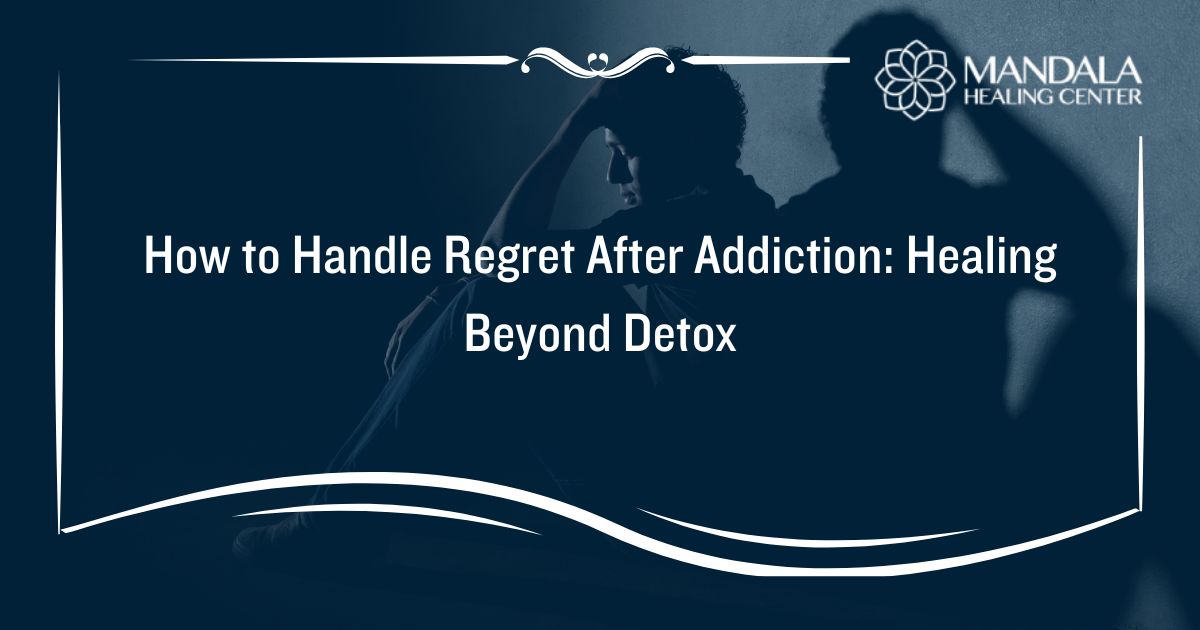
Regret is a powerful and often paralyzing emotion. For people recovering from addiction, it can feel like a shadow that stretches far beyond detox, lingering long after the substances have left the body. The shame of damaged relationships, lost opportunities, and personal choices can weigh heavily on one’s conscience. But it doesn’t have to define your recovery. Regret is not the end of the story; it can be a powerful motivator for growth if addressed in healthy and intentional ways.
This article explores how to handle regret after addiction, offering insights and strategies for turning guilt into progress and pain into purpose.
Understanding Regret in Addiction Recovery
Regret is a normal part of the human experience. But in addiction recovery, it often becomes amplified.
When you’re sober and finally seeing things clearly, you may begin to feel overwhelmed by memories of what was said or done during active addiction. The mind replays past behaviors—some of which are deeply painful or harmful—leading to guilt, remorse, and self-blame.
Why Regret Feels So Intense After Detox
Substance use disorders affect the brain’s reward system, emotion regulation, and impulse control. During addiction, many decisions are driven by cravings or survival rather than rational thought. When the brain begins to heal and awareness returns, those choices may seem incomprehensible in hindsight.
Addiction experts from(NIDA) notes that addiction is a chronic brain disease, not a moral failing. This distinction is crucial for reducing self-judgment. While accountability matters, it’s essential to recognize that addiction hijacks the brain’s ability to make healthy decisions.
The Cost of Regret: Emotional and Physical
Left unaddressed, chronic regret can lead to depression, anxiety, insomnia, and even relapse. According to a 2023 study published in The American Journal of Psychiatry, people in early recovery who experience high levels of unresolved guilt are at three times greater risk of relapse within the first six months.
Signs that regret is interfering with your recovery:
- Persistent feelings of worthlessness
- Isolation or avoidance of others
- Self-punishing thoughts
- Trouble feeling hopeful about the future
- Obsessive focus on past mistakes
These symptoms not only make healing more difficult but can also sabotage the hard work already done during detox and early sobriety.
Turning Regret into a Recovery Tool
Regret doesn’t have to derail recovery. In fact, when addressed constructively, it can serve as a catalyst for transformation. Here’s how:
Acknowledge It—But Don’t Let It Consume You
Suppressing regret only gives it more power. Begin by naming the regret. Whether it’s about how you treated loved ones or opportunities missed, putting words to those feelings makes them easier to manage.
Journaling is one of the most effective tools here. Research from 2021 highlighted how expressive writing reduced negative emotions and helped people reframe painful experiences in recovery.
Write a letter to yourself from the perspective of compassion. Acknowledge your regret, but also acknowledge your courage in choosing recovery.
Separate Guilt from Shame
Guilt says, “I did something wrong.” Shame says, “I am wrong.”
This distinction is vital. Guilt can lead to healthy change. Shame, however, undermines your sense of worth and stalls growth.
Recovery means accepting that you are more than your worst decisions. It is important to develop coping skills to manage these feelings. Working with a therapist can help identify internalized shame and replace it with healthier self-perception.
Make Amends—When Appropriate
The 12-Step model emphasizes making amends, and with good reason. When done thoughtfully, amends can be healing for both parties.
However, not all relationships are ready for reconciliation. Sometimes, the best amends are ongoing sobriety and living a different life. Don’t rush the process. Make amends where it’s safe, respectful, and welcomed.
Consult with a sponsor, therapist, or counselor before reaching out to individuals from your past. Amends should be made with intention, not impulse.
[elementor-template id=”173075″]
Tools for Emotional Healing After Detox
Trauma-Informed Therapy
Many people in recovery have histories of trauma—whether it’s childhood neglect, abuse, or long-term emotional pain. Regret can often trigger those old wounds. Trauma-informed therapy helps address the root causes of addiction and offers a structured way to process both the past and the present.
Recommended approaches:
- Cognitive Behavioral Therapy (CBT)
- Eye Movement Desensitization and Reprocessing (EMDR)
- Dialectical Behavior Therapy (DBT)
Each helps build skills in emotional regulation, self-compassion, and cognitive restructuring.
Group Support and Peer Connection
Isolation feeds regret. Community helps heal it. Peer support groups like SMART Recovery, Alcoholics Anonymous, or Refuge Recovery provide a space to share openly, hear others’ stories, and rebuild a sense of connection.
According to the Substance Abuse and Mental Health Services Administration (SAMHSA), participation in support groups significantly increases long-term recovery success rates by as much as 50% over three years.
Mindfulness and Self-Compassion
Learning to stay in the present is essential when regret constantly drags you backward.
Mindfulness training teaches you to observe thoughts without judgment, while self-compassion techniques help you treat yourself with the kindness you’d offer a friend. Research shows that self-compassion is linked to lower anxiety, higher motivation, and greater resilience in people recovering from addiction.
Redefining the Narrative: You Are Not Just What You Did
One of the hardest but most freeing realizations in recovery is this: You are not your past.
Every person has the right to rewrite their story. Regret doesn’t disappear overnight, but it becomes easier to carry when you’re actively building a life that aligns with your values.
Start small:
- Volunteer
- Mentor someone new in recovery
- Take a course
- Rebuild one relationship at a time
These choices are not only acts of service or growth—they’re evidence that the past no longer dictates who you are becoming.
When to Seek Professional Help
If regret is affecting your mental health or putting your sobriety at risk, don’t wait. Reach out to a licensed therapist or addiction specialist for support. According to the National Alliance on Mental Illness (NAMI), integrated treatment for co-occurring mental health issues improves recovery outcomes by over 60%.
If you’re not sure where to start, consider:
- SAMHSA’s National Helpline (1-800-662-HELP)
- PsychologyToday.com (Therapist Finder Tool)
- Local recovery centers like the Mandala Healing Center
Final Thoughts
Healing from addiction goes far beyond detox. It involves reconciling with your past, facing your emotions, and reclaiming your life one decision at a time. Regret may be part of the journey, but it doesn’t have to define it.
Instead of letting regret pull you under, let it guide you forward. Learn from it. Grow with it. Use it to build a life you won’t have to escape from.
Because the truth is, you’re still writing your story. And the next chapter can be one of strength, healing, and renewal.
If you or someone you love struggles with substance abuse or addiction, you are not alone. Find compassionate, holistic treatment and recovery support at the Mandala Healing Center. Contact our treatment specialists to learn about our programs or to schedule an intake appointment.
FAQ: Handling Regret After Addiction Recovery
1. Is it normal to feel worse emotionally after getting sober?
Yes, and it’s more common than many people expect. During active addiction, substances often numb difficult emotions. Once detoxed, unresolved pain, guilt, or trauma can surface with intensity. This isn’t a setback—it’s part of the healing process. Working with a therapist or recovery counselor can help you navigate these emotional waves safely.
2. Can regret trigger a relapse, even if I’m doing everything else right?
Absolutely. Regret can act as a silent trigger, especially when it leads to hopelessness, isolation, or self-punishment. If you notice regret becoming obsessive or overwhelming, it’s a signal to pause and seek support. Regular check-ins with a support group or mental health professional can reduce the risk of relapse by addressing emotional triggers before they escalate.
3. What if the people I hurt during my addiction don’t want to forgive me?
Rebuilding trust is a long-term process, and not all relationships can—or should—be restored. While making amends is valuable, it’s essential to acknowledge that others have the right to establish their own boundaries. Focus on taking responsibility for your actions and becoming someone you respect. Healing isn’t dependent on others’ responses—it’s rooted in your ongoing choices.
4. How do I rebuild my sense of identity after addiction?
Addiction can become a core part of your identity, especially if it’s been present for years. Recovery offers the opportunity to rediscover who you are beyond addiction. Try exploring new interests, reconnecting with old passions, or engaging in purpose-driven activities, such as volunteering or creative work. Identity reconstruction takes time, but it’s deeply empowering.
5. What if I regret wasting so many years of my life on addiction?
It’s natural to grieve lost time, but it’s also important to remember that recovery provides insight, resilience, and empathy that many people never develop. Rather than focusing on the past, invest your energy into creating meaning now. Many people in recovery find that their second act is more intentional, fulfilling, and connected than they ever imagined it would be.
6. Should I talk about my regret openly with others in recovery?
Yes, if you feel safe doing so. Sharing your experience not only lightens your emotional load but also helps others who may feel the same way. Vulnerability builds trust and connection—key pillars of long-term recovery. Just be sure to choose the right setting, such as a therapist’s office, a support group, or a recovery meeting, where open dialogue is encouraged and protected.
Sources:
- Volkow, N. D. (2020). Addiction is a disease of the brain, not a moral failing. National Institute on Drug Abuse.
- The American Journal of Psychiatry, 2023. Relapse and Emotional Triggers in Early Recovery.
- SAMHSA. (2023). Behavioral Health Barometer: United States, Volume 8.
- NAMI. (2023). Co-occurring Disorders.
Previous in this series: How to Find a Drug Detox Center Near You · Next in this series: Hydromorphone Withdrawal Timeline, Symptoms, and Treatment
Learn more about medical detox in West Palm Beach.
Previous in this series: How to Find a Drug Detox Center Near you · Next: Hydromorphone Withdrawal Timeline Symptoms and Treatment


-

Does Insurance Cover Drug and Alcohol Rehab in Florida?
October 13, 2026
-

Signs Your Drinking May Be Becoming a Problem
October 8, 2026
-

How to Get Into Rehab Quickly in Florida
September 30, 2026
-

Can You Go to Rehab Without Detoxing First?
September 24, 2026
-

Can You Become Addicted to Alcohol Without Drinking Every Day?
September 19, 2026