 Skip to the content

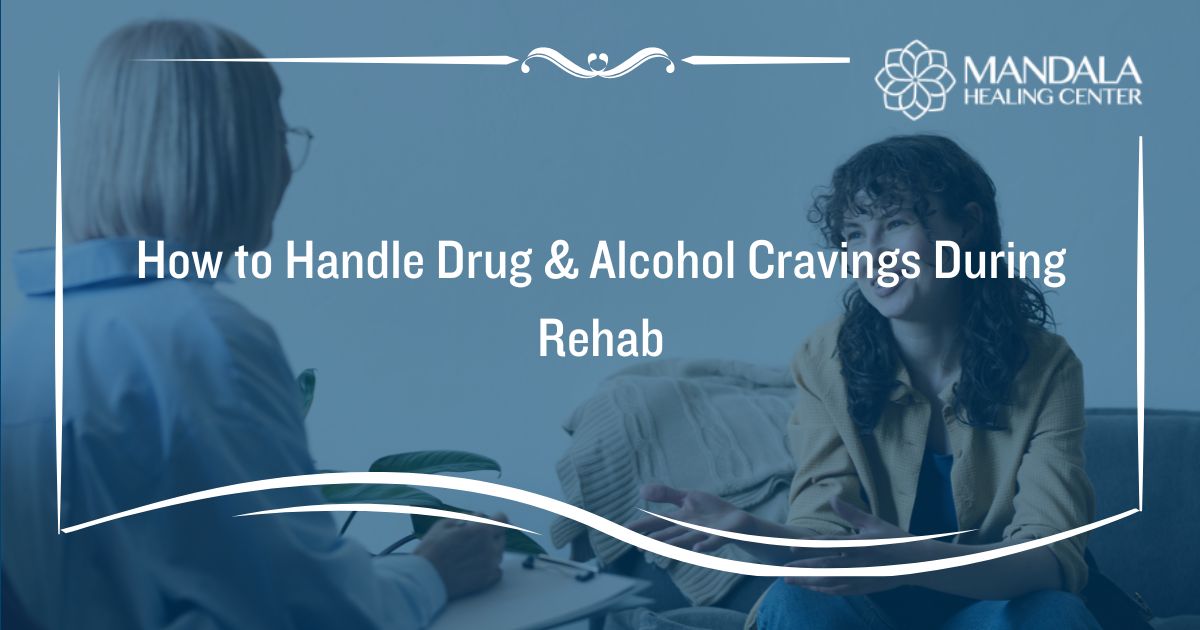
When alcohol is causing more harm than relief, help is available. Our alcohol rehab in West Palm Beach can help you stop safely.
Cravings are an intense desire to use a substance, often arising unexpectedly. For those recovering from alcohol use disorder (AUD) or drug addiction, cravings can occur even after the person has stopped drinking or using drugs. These urges are not just psychological; they are physiological, stemming from how substance use alters the brain’s reward pathways, neurotransmitter levels (like glutamate and dopamine), and stress response systems.
Heavy drinking or drug use leads to chemical adaptations in the brain. When use stops, the body undergoes withdrawal, resulting in a series of unpleasant symptoms including anxiety, irritability, nausea, headaches, difficulty breathing, and mood swings. These symptoms often drive the craving to return to substance use as a way to feel better quickly.
Cravings are a normal part of the recovery process. They do not mean failure. But if not managed effectively, they can lead to relapse, posing a significant risk to long-term recovery.
Alcohol Withdrawal Symptoms: The Physical & Emotional Landscape
Alcohol withdrawal symptoms typically begin within hours of stopping alcohol use. According to the American Medical Association, symptoms can range from mild to severe:[1]
- Mild: anxiety, tremors, nausea, insomnia
- Moderate: sweating, high blood pressure, increased heart rate
- Severe: seizures, hallucinations, and in rare cases, delirium tremens
Emotional symptoms include depression, anger, mood swings, and a sense of being overwhelmed. These emotional responses are often triggered by stress, environmental cues (like the smell of alcohol), or interpersonal conflict. Learning to manage these emotions without using substances is a cornerstone of recovery.
The Biology Behind Cravings
Cravings occur due to chemical and neurological changes in the body. During periods of drug or alcohol use, the brain is flooded with dopamine, creating a strong sense of reward. Over time, the brain’s natural dopamine production is disrupted.
When drinking or drug use stops, this dopamine drop can lead to intense cravings. Other neurotransmitters like glutamate and GABA also play a role. Glutamate is involved in memory and learning, so environmental triggers (like being around people who drink) can activate strong memories of use, leading to cravings.
Cravings can also mimic other basic human urges, such as hunger. Food cravings and drug cravings are both regulated by similar brain systems. That’s why maintaining good nutrition and eating regular meals during rehab is so important. The body and brain are relearning how to function without the influence of substances.
How to Handle Cravings: Evidence-Based Strategies
If you are dealing with intense cravings or urges to abuse drugs and alcohol, you need some tools to prevent yourself from relapsing. The best tools include:
- Cognitive Behavioral Therapy (CBT)- CBT helps patients identify and challenge the thoughts and behaviors that lead to cravings. For example, a person may believe “One drink won’t hurt” during a stressful event. CBT works to reframe that thought to “One drink may lead to many more, and I don’t want to go back.”
- Medication-Assisted Treatment (MAT)- Medications like naltrexone help block the pleasurable effects of alcohol and opioids, reducing the desire to use. Other medications may help stabilize mood or reduce withdrawal symptoms.
- Nutrition and Hydration- Proper nutrition supports liver health, balances blood sugar, and improves mood. Cravings can spike due to low blood sugar or dehydration, so regular meals and water intake are essential.
- Physical Activity- Exercise boosts endorphins, relieves stress, and improves sleep. Even a short walk can decrease cravings by redirecting focus and releasing positive neurotransmitters.
- Mindfulness and Breathing Techniques- Mindfulness helps individuals stay present and observe cravings without reacting. Deep breathing reduces stress and regulates the nervous system. These skills can be taught and practiced daily.
- Support Networks- Connecting with support groups, family, and therapists creates accountability and emotional grounding. Talking about cravings with a trusted person can diffuse their power.
- Avoiding Triggers- Environmental cues such as bars, certain friends, or even music associated with drinking behavior can be powerful. Creating a “trigger plan” with specific strategies (e.g., leaving early, calling someone) can help mitigate risk.
Creating a Cravings Management Plan
A cravings management plan is a personalized strategy developed with your treatment team. It should include:
- Known Triggers: What people, places, emotions, or events increase your cravings?
- Coping Skills: What actions can you take when the urge hits (walk, journal, call a friend)?
- Emergency Protocols: What will you do if a craving becomes overwhelming?
- Positive Reinforcement: How will you reward yourself for resisting the urge? It could be a movie night, a new book, or a small treat.
Planning makes a difference. According to researchers at the National Institute on Drug Abuse, having a coping strategy increases the likelihood of long-term recovery by 40%.[2]
The Role of Emotions and Stress
Feeling stressed, angry, or emotionally overwhelmed is a common relapse trigger. The brain, once conditioned to associate alcohol or drugs with relief, sends the message: “Use to feel better.”
Understanding emotional triggers helps patients stay ahead of the craving curve. For instance:
- Anger may lead to impulsivity and risk-taking.
- Loneliness can trigger feelings of isolation, often associated with using.
- Hunger or low blood sugar mimics cravings; this is why regular eating is key.
Managing these emotional and physiological states is essential. Recognizing them as temporary and treatable responses rather than unsolvable problems empowers patients to cope effectively.
Relapse is Not Failure
Relapse is not the opposite of recovery. It is a part of the journey for many. According to the American Society of Addiction Medicine, relapse rates for substance use disorders are between 40-60%, similar to chronic illnesses like hypertension and diabetes.[3]
Relapse is a signal that the treatment plan may need adjustment. It does not mean the person is weak or incapable. More support, therapy, or medication might be needed. What matters most is getting back on track. Sometimes, experiencing a relapse means you need to go back to treatment.
Get Connected to a Top-Rated Drug and Alcohol Rehab Center
Handling cravings is both an art and a science. It requires understanding the brain, mastering coping skills, building support, and caring for the body. While the journey is challenging, it is also deeply rewarding.
Recovery is not about never having cravings. It’s about learning how to respond to them with strength, strategy, and support. Through treatment, self-awareness, and planning, individuals can regain control of their lives, one choice at a time.
If you or a loved one is struggling with cravings or alcohol use disorder, the Mandala Healing Center is here to help. Our evidence-based program can help you overcome addiction and manage your cravings, making you more likely to achieve long-term sobriety. Contact us today for more information on how to get started.
FAQ: Frequently Asked Questions
1. How long do cravings usually last?
Cravings tend to peak within the first few weeks of sobriety and gradually decline over time. However, they can still occur months or even years later, especially when triggered by stress or familiar environments. Most cravings last a few minutes to an hour.
2. Are there specific foods that help reduce cravings?
Yes. High-protein meals, complex carbohydrates, and foods rich in omega-3 fatty acids (like fish, walnuts, and flaxseeds) can stabilize blood sugar and support brain health. Avoiding sugar and caffeine spikes may also help regulate mood and reduce relapse risk.
3. Can pregnancy affect cravings or withdrawal symptoms?
Absolutely. Pregnancy significantly impacts how the body processes substances and withdrawal. Detoxing during pregnancy should always be medically supervised to protect both the mother and fetus, as withdrawal can lead to serious complications like seizures or premature birth.
4. What role does sleep play in managing cravings?
Poor sleep can increase irritability, lower impulse control, and intensify cravings. Establishing good sleep hygiene—such as keeping a consistent schedule, limiting screen time, and avoiding caffeine—can greatly enhance emotional resilience.
5. Is it possible to be around alcohol without feeling the urge to drink?
In early recovery, it’s usually best to avoid such environments. Over time, some people build coping skills that allow them to be in social settings without feeling triggered. This ability varies and should be evaluated with the help of a treatment team.
6. Do cravings always mean you’re going to relapse?
No. Cravings are a normal part of recovery and do not always lead to relapse. With a solid plan, support, and coping tools, many people successfully manage cravings without returning to substance use.
References:
- American Society of Addiction Medicine: The ASAM Clinical Practice Guideline on Alcohol Withdrawal Management
- The National Library of Medicine (NLM): Impact of Continuing Care on Recovery From Substance Use Disorder
- The National Institute on Drug Abuse (NIDA): Treatment and Recovery
Previous in this series: How to Get Florida Medicaid to Pay for Drug & Alcohol Rehab Services · Next in this series: Individual Therapy for Drug and Alcohol Addiction
Learn more about alcohol addiction treatment.
Previous in this series: How to Get Florida Medicaid to Pay for Drug Alcohol Rehab · Next: How to Help Someone with Alcoholism

-

Does Insurance Cover Drug and Alcohol Rehab in Florida?
October 13, 2026
-

Signs Your Drinking May Be Becoming a Problem
October 8, 2026
-

How to Get Into Rehab Quickly in Florida
September 30, 2026
-

Can You Go to Rehab Without Detoxing First?
September 24, 2026
-
Can You Become Addicted to Alcohol Without Drinking Every Day?
September 19, 2026