 Skip to the content

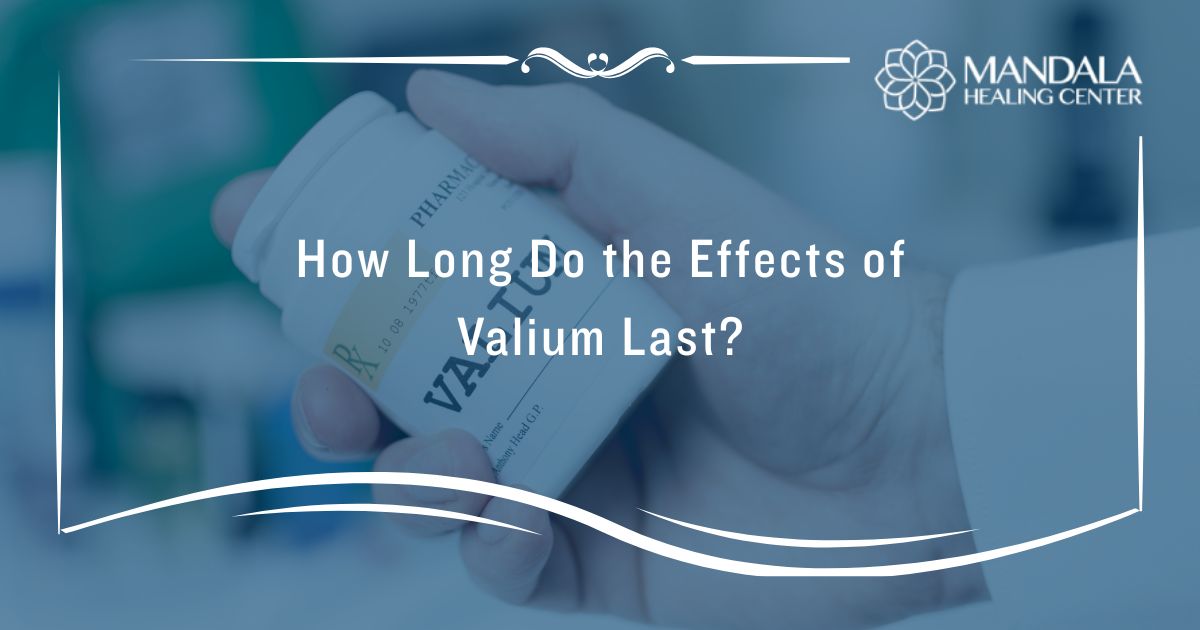
Valium, known generically as diazepam, is a commonly prescribed medication used to treat anxiety, muscle spasms, and alcohol withdrawal. It’s part of a class of drugs called benzodiazepines, which work by calming the central nervous system.
While it’s effective for short-term treatment, Valium can become habit-forming when misused or taken for an extended period. Many people struggling with substance use ask the critical question: How long does Valium last?
Understanding Valium’s duration in the body can help individuals, their families, and medical professionals plan for treatment, manage withdrawal symptoms, and avoid dangerous drug interactions.
How Valium Works in the Body
Valium enhances the activity of GABA (gamma-aminobutyric acid), a neurotransmitter responsible for reducing brain activity. This is what gives Valium its calming effects. By increasing GABA, Valium helps to relax muscles, ease anxiety, reduce muscle cramps, and control seizures related to alcohol withdrawal.
Valium is a long-acting benzodiazepine, meaning it stays in the body longer than other benzodiazepines. This makes it helpful in treating conditions that benefit from prolonged sedation, but also raises concerns about physical dependence and respiratory depression, especially when combined with other depressants like alcohol.
What Is the Half-Life of Valium?
To understand how long Valium lasts, it’s important to know about its half-life. The elimination half-life is the time it takes for half of the drug to leave your system. Valium’s half-life ranges from 20 to 70 hours, depending on individual factors.
These include:
- Age
- Liver function
- Metabolism
- Dosage
- Duration of valium use
- Other medications being taken
Because of its long half-life, Valium can accumulate in the body if taken repeatedly or in high doses. Its active metabolites, especially desmethyldiazepam, can extend the drug’s presence in the body for days or even weeks after the last dose.
How Long Does Valium Last in the Body?
The effects of diazepam can be felt within 30 minutes to an hour after taking it, and typically last between 4 and 6 hours. However, that doesn’t mean it’s gone from your system. The body processes Valium slowly, which means it can stay in your system for a long time—even after the noticeable sedative effects have worn off.
Drug testing is common in addiction treatment, legal proceedings, or employment. Here’s how long Valium may be detectable by different types of drug tests:
- Urine tests: 1–7 days after a single dose; up to 6 weeks with regular use
- Saliva test: 1–10 days (though a shorter detection window is more typical)
- Blood tests: Up to 48 hours
- Hair follicle tests: Up to 90 days
Several factors influence how long tests can detect Valium, including dose, frequency of use, body fat percentage, and liver health. Liver disease or impaired liver function may slow down how the body processes Valium, increasing the long duration of its presence in the system.
Risks of Long-Term Valium Use
While Valium is approved for short-term treatment, ongoing use may lead to valium addiction and physical dependence. Over time, the brain becomes reliant on the drug to function normally. This alters receptor sites in the brain and makes it harder to stop using the drug without experiencing withdrawal symptoms.
Common Valium withdrawal symptoms include
- Anxiety and irritability
- Muscle cramps or tension
- Insomnia
- Nausea
- Shallow breathing or trouble breathing
- Seizures (in severe cases)
Because Valium affects the central nervous system, quitting suddenly—especially after long-term use—can be life-threatening. This is why medical professionals recommend a gradual reduction under supervision.
Valium and Drug Interactions
Valium interacts with many other medications, especially other substances that depress the nervous system. These interactions can increase the risk of overdose and side effects like respiratory depression, sleep apnea, and unconsciousness. Mixing Valium with drinking alcohol, opioids, or sleeping pills significantly raises these risks.
Patients should always review the medication guide provided with diazepam tablets and disclose any other drugs they’re taking to their doctor.
Factors That Influence How Long Valium Lasts
Not everyone experiences Valium the same way. The duration and intensity of Valium’s effects vary depending on several factors.
These include:
- Prescribed dose and strength
- Whether you’re taking diazepam as part of a regular dosing schedule
- Age and overall mental health
- Gender and weight
- Liver and kidney function
- Use of other medications
- Presence of underlying conditions like myasthenia gravis
If you miss a next dose, never double up. Skipping or overusing Valium can increase the chance of side effects or withdrawal.
Recognizing Valium Misuse and Dependence
Because Valium produces calming effects, some people start using it more often than prescribed. Others may misuse it in combination with other depressants to intensify the high. These behaviors increase the risk of addiction.
Signs of problematic valium use include:
- Taking larger doses than prescribed
- Needing more to feel the same effect (tolerance)
- Continuing use despite negative consequences
- Using Valium to cope with stress, sleep, or emotional pain
- Experiencing cravings or withdrawal
If this sounds familiar, you are not alone—and help is available.
Treatment and Long-Term Recovery
Recovery from Valium addiction involves more than just stopping the drug. Because of its long half-life and strong effects on the nervous system, medical detox is often recommended. A supervised tapering plan, blood tests, and professional care can help reduce the risk of severe withdrawal symptoms.
After detox, many find support in:
- Inpatient or outpatient rehab
- Therapy for trauma, anxiety, or depression
- Group support (12-step programs, peer-led groups)
- Medication-assisted treatment (MAT), if needed
- Ongoing mental health care
Long-term management may also include addressing sleep issues, muscle pain, and anxiety in healthier ways—without reliance on sleeping pills or muscle relaxants.
When to Seek Emergency Help
Some side effects of Valium can be serious or even life-threatening. Seek emergency services immediately if you or someone else exhibits signs of an overdose or other complications.
These might include:
- Trouble breathing
- Shallow breathing or unconsciousness
- Severe confusion or hallucinations
- Chest pain or irregular heartbeat
These symptoms can be signs of overdose or a dangerous drug interaction, especially in combination with drinking alcohol or other medications.
Find Treatment For Valium Addiction Now
Valium can be an effective tool for managing anxiety, seizures, and alcohol withdrawal, but it’s not without risk. Its long-acting benzodiazepine nature means that it stays in the body longer than many expect, often far beyond the time when you stop feeling its calming effects.
If you or a loved one is struggling with substance use, now is the time to reach out for help. Find the treatment, resources, and support you need to navigate addiction recovery at the Mandala Healing Center. Learn about our programs or schedule an intake appointment by contacting us today.
Frequently Asked Questions (FAQ) About Valium
1. Can Valium cause rebound anxiety or insomnia?
Yes. After stopping Valium—especially if stopped suddenly—some people experience rebound symptoms, meaning anxiety or insomnia may return more intensely than before. This is more likely with long-term or high-dose use. A medically supervised taper helps reduce the risk.
2. Is Valium safer than other benzodiazepines for long-term use?
Not necessarily. While Valium’s longer half-life can provide smoother effects and fewer peaks and valleys, it also increases the risk of accumulation and prolonged withdrawal. No benzodiazepine is considered ideal for long-term use due to the potential for dependence.
3. Can I drive or work while taking Valium?
Valium can impair coordination, alertness, and decision-making. Even if you don’t feel “high,” you may still be too sedated to drive or operate machinery safely. It’s best to avoid these activities until you know how Valium affects you and your doctor gives clearance.
4. Does Valium affect memory or concentration?
Yes. Valium can cause short-term memory problems and reduced concentration, particularly at higher doses or with long-term use. These cognitive effects often improve after stopping the drug, but recovery may take time.
5. Are there non-addictive alternatives to Valium for anxiety or muscle spasms?
There are several non-addictive options, including certain antidepressants (like SSRIs for anxiety), physical therapy for muscle issues, and non-benzodiazepine sleep aids. Talk to a healthcare provider about safer, long-term strategies tailored to your needs.
Sources




-

Can I Get Same-Day Detox Admissions in Palm Beach County?
May 30, 2026
-

How Long Does Buprenorphine Stay in Your System?
May 19, 2026
-

How Much Does a Detox Program in West Palm Beach Cost?
April 28, 2026
-

How Long Do South Florida Rehab Programs Typically Last?
April 21, 2026
-

What Does Freebasing Mean?
April 13, 2026