 Skip to the content

Choosing a treatment center is the hardest step. Our West Palm Beach addiction treatment can verify insurance and walk you through admission.
Addiction doesn’t just affect the individual—it reshapes the entire ecosystem of their relationships. Whether with family, romantic partners, friends, or colleagues, substance use disorders often lead to betrayal, broken trust, emotional distance, and unhealthy behaviors. When you’re in active addiction, it becomes easy to lose sight of the damage being done until the dust settles during early recovery.
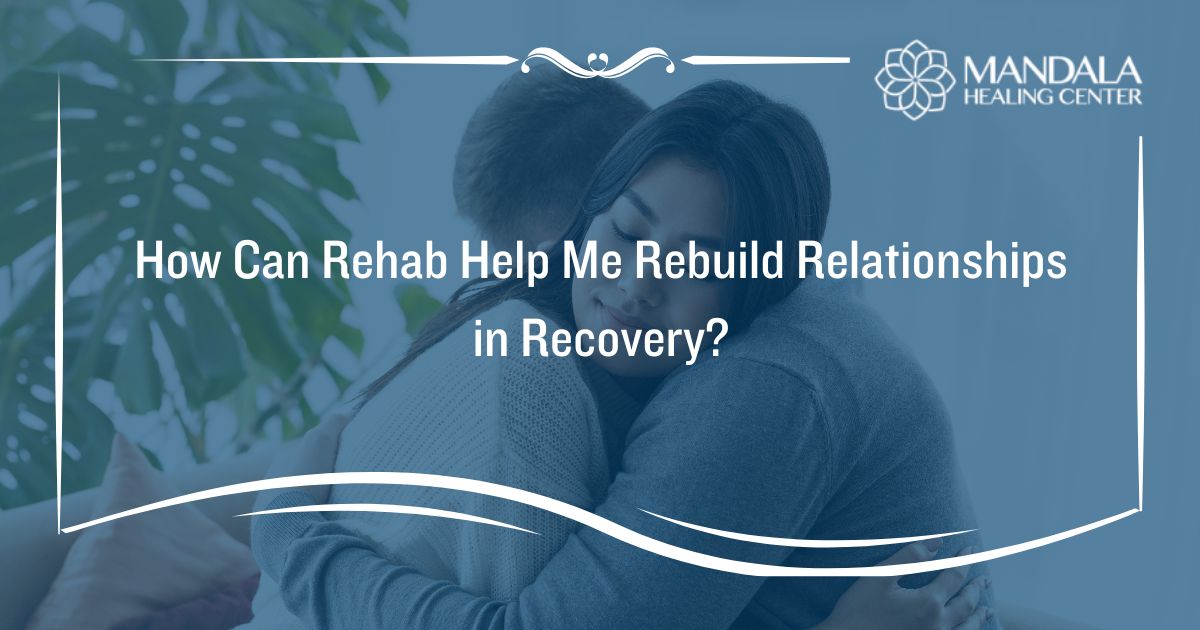
But recovery is not only about maintaining sobriety or treating physical health—it’s also about personal growth and rebuilding meaningful, healthy relationships. Rehab provides a structured environment that prioritizes not just detox and addiction treatment, but also interpersonal healing. In fact, rebuilding relationships in recovery is considered a cornerstone of long-term success.
Let’s dive deeper into how rehab can help you repair old wounds, develop healthy boundaries, and lay the foundation for supportive relationships—all at your own pace.
Understanding the Relationship Fallout of Addiction
In active addiction, relationships often become defined by manipulation, secrecy, codependency, or neglect. Emotional unavailability and broken promises erode trust. Individuals may find themselves surrounded by toxic relationships, or they may become the toxic influence themselves.
This breakdown often includes:
- Family relationships marred by mistrust or enabling behaviors
- Romantic relationships are strained by dishonesty or emotional volatility
- Friendships lost due to isolation, betrayal, or differing lifestyles
- Professional relationships damaged by absenteeism or erratic behavior
The journey to recovery must include accountability and acknowledgment of these damages. But most importantly, it must involve learning new ways to build trust, show up consistently, and communicate honestly.
Why Relationships Matter in Recovery
Positive, supportive relationships are not a luxury—they’re a necessity in addiction recovery. Research consistently shows that people with strong social networks are more likely to stay sober and maintain emotional well-being.
According to a 2021 study published in Substance Use & Misuse, individuals in long-term recovery who report high levels of relationship satisfaction and family support are significantly less likely to relapse.[1] Moreover, support groups like 12-step programs emphasize healthy communication, mutual respect, and open and honest dialogue as central to the recovery process.
Relationships can be both a risk and a protective factor. The goal in rehab is to equip you with the tools to make sure they are the latter.
How to Build Healthy Relationships in Rehab
1. Emotional Awareness and Regulation
Addiction often dulls emotional intelligence and creates a dependency on substances to manage feelings. Rehab programs typically include therapy modalities—like cognitive behavioral therapy (CBT), dialectical behavior therapy (DBT), and mindfulness practices—that help individuals reconnect with their emotions in a healthy way.
By learning how to express feelings constructively, you can begin honest communication with others and process past harm without defensiveness or blame.
2. Setting and Respecting Healthy Boundaries
A critical component of developing healthy relationships is understanding where you end and another person begins. Healthy boundaries help you protect your well-being while also respecting others.
In treatment, you’ll explore:
- What personal boundaries are and how to set them
- How to recognize unhealthy relationships
- When to say “no” without guilt
- How to navigate romantic relationships in early recovery
Developing healthy boundaries helps you prevent relapse, avoid old habits, and reinforce your self-esteem.
3. Family Therapy and Involvement
Many treatment programs integrate family systems into the recovery process. Through family therapy sessions, loved ones can begin to express their pain in a safe setting, and you can take accountability for the hurt caused.
These sessions often focus on:
- Healing emotional wounds
- Rebuilding trust
- Enhancing open communication
- Setting expectations for maintaining healthy relationships
Your loved ones also receive support and education, empowering them to participate in your recovery journey more effectively.
4. Practicing Healthy Communication
Healthy relationships require more than just sobriety—they demand consistent, open and honest communication. Rehab helps you develop these communication skills through role-playing exercises, group therapy, and peer feedback.
You’ll learn:
- How to communicate needs without manipulation
- How to engage in active listening
- The value of mutual respect
- Conflict resolution without escalation
When communication improves, relationships transform.
5. Building New, Supportive Relationships
One of the hardest yet most liberating aspects of rehab is stepping away from toxic influences. This includes distancing from friends who enable your substance use or romantic partners who perpetuate dysfunction.
Rehab provides a safe space to build new relationships with others who understand your path. These supportive relationships—formed in support groups, peer activities, or sober communities—can reinforce your goals and model healthy habits.
In essence, you get a second chance to redefine what a good relationship looks like.
[elementor-template id=”173075″]
Rebuilding Trust: A Gradual Process
Let’s be clear: Rebuilding trust takes time. You may be ready to repair a relationship, but the other person may not be. Patience is essential. Recovery teaches you to respect another person’s timeline while continuing to do the internal work required.
Key principles include:
- Consistency: Show up as you say you will.
- Transparency: Avoid secrecy and half-truths.
- Accountability: Take responsibility without excuses.
- Empathy: Acknowledge the pain your actions caused.
The process is not about forcing forgiveness but creating space where it could eventually occur.
Learning from Unhealthy Relationships
In addiction recovery, not every relationship should be salvaged. Some are too harmful, too enmeshed in the identity of your past substance use. Rehab teaches you to discern which relationships are worth rebuilding—and which ones are best left behind.
Letting go is not failure. Its growth.
You’ll come to understand:
- The signs of toxic relationships
- When a relationship threatens your well-being
- How to grieve relationships that won’t continue
- How to respect another person’s decision not to re-engage
Sometimes, loving someone means walking away—for their growth and your own.
Incorporating Spiritual and Holistic Healing
Many treatment programs encourage a connection with a higher power or some spiritual practice. This isn’t necessarily religious—it’s about grounding your recovery in something greater than yourself.
This perspective can deepen:
- Compassion toward others
- A sense of community
- Forgiveness—of self and others
It also helps shift focus from control to surrender, which is vital when rebuilding fragile connections.
Your Relationships, Your Own Pace
There’s no universal timeline for rebuilding. Every person you’ve hurt or disconnected from has their own healing to do. And so do you. Rehab teaches you to move at your own pace, resisting the urge to rush reconciliation or force intimacy before trust is ready.
Instead of perfection, aim for progress:
- Make the call when you’re ready.
- Write the letter when your heart is open.
- Accept rejection as part of healing.
- Celebrate the small wins—like a returned text or a shared coffee.
Recovery is not linear, and neither is relationship repair.
Learn How to Build Healthy Relationships in Recovery
At the core of addiction recovery is not just sobriety, but reconnection—to yourself, your purpose, and the people who matter most. Rehab provides the tools to rebuild these bridges—not just with others, but with your own humanity.
From learning how to set boundaries, to practicing healthy communication, to evaluating the role of romantic partners and family relationships, recovery empowers you to foster connections rooted in mutual respect, honesty, and growth.
It’s not easy. But it’s possible. And with the right support, you won’t just rebuild—you’ll build better.
Contact the Mandala Healing Center today for more infromation on how we can help you build healthy relationships while you achieve long-term recovery from addiction.
Frequently Asked Questions (FAQ)
1. When is the right time to reconnect with people I’ve hurt during addiction?
There’s no single timeline, but it’s generally advised to wait until you have a stable foundation in your recovery—both emotionally and behaviorally. Many professionals recommend making amends as part of later recovery phases, such as during Step 9 in 12-step programs. You should be emotionally prepared for any outcome, including rejection or slow reconciliation.
2. How do I deal with guilt or shame when trying to repair relationships?
Guilt can be a motivator for change, but shame can be paralyzing. Therapy during and after rehab can help you differentiate the two. Healthily processing these feelings—through journaling, counseling, or spiritual practices—can make room for empathy and forgiveness without self-sabotage.
3. What if my family doesn’t believe I’ve changed, even after rehab?
Skepticism is common, especially if there’s a history of relapse or broken promises. Rebuilding trust takes time and consistent actions. Focus on demonstrating change through behavior, not just words. Consider inviting loved ones to family therapy or support groups like Al-Anon so they can witness your growth firsthand.
4. Is it safe to start a new romantic relationship during recovery?
Most recovery experts recommend waiting at least one year before entering new romantic relationships. Early recovery is a time of intense personal growth and emotional recalibration. Jumping into romance too soon can distract from healing and introduce emotional volatility. Use this time to focus on your relationship with yourself.
5. Can professional relationships be restored after addiction-related damage?
Yes, but it often depends on the context and the individuals involved. If you left a job or damaged workplace trust, consider making amends through a well-thought-out letter or conversation. In some cases, rebuilding may not be possible—but you can still use the lessons learned to cultivate healthier professional relationships moving forward.
6. What support exists after rehab to continue working on relationships?
Post-rehab, many options can help maintain relational growth: outpatient therapy, alumni programs, sober living homes, support groups (like SMART Recovery or AA/NA), and couples or family therapy. Ongoing engagement in these resources reinforces the healthy habits and communication skills learned in treatment.
References:
- Research Gate: (PDF) How Relationship Satisfaction Changes Within and Across Romantic Relationships: Evidence From a Large Longitudinal Study
Previous in this series: How Can I Help My Loved One Transition Back Home After Rehab? · Next in this series: How Long Do South Florida Rehab Programs Typically Last?
Learn more about residential addiction treatment.
Previous in this series: How Can Journaling Help with Recovery · Next: How does Rehab Differ for Men vs Women


-

Does Insurance Cover Drug and Alcohol Rehab in Florida?
October 13, 2026
-

Signs Your Drinking May Be Becoming a Problem
October 8, 2026
-

How to Get Into Rehab Quickly in Florida
September 30, 2026
-

Can You Go to Rehab Without Detoxing First?
September 24, 2026
-

Can You Become Addicted to Alcohol Without Drinking Every Day?
September 19, 2026