 Skip to the content

If you or someone you love is ready for treatment, the first step is one call. Our rehab in West Palm Beach starts with a confidential assessment.
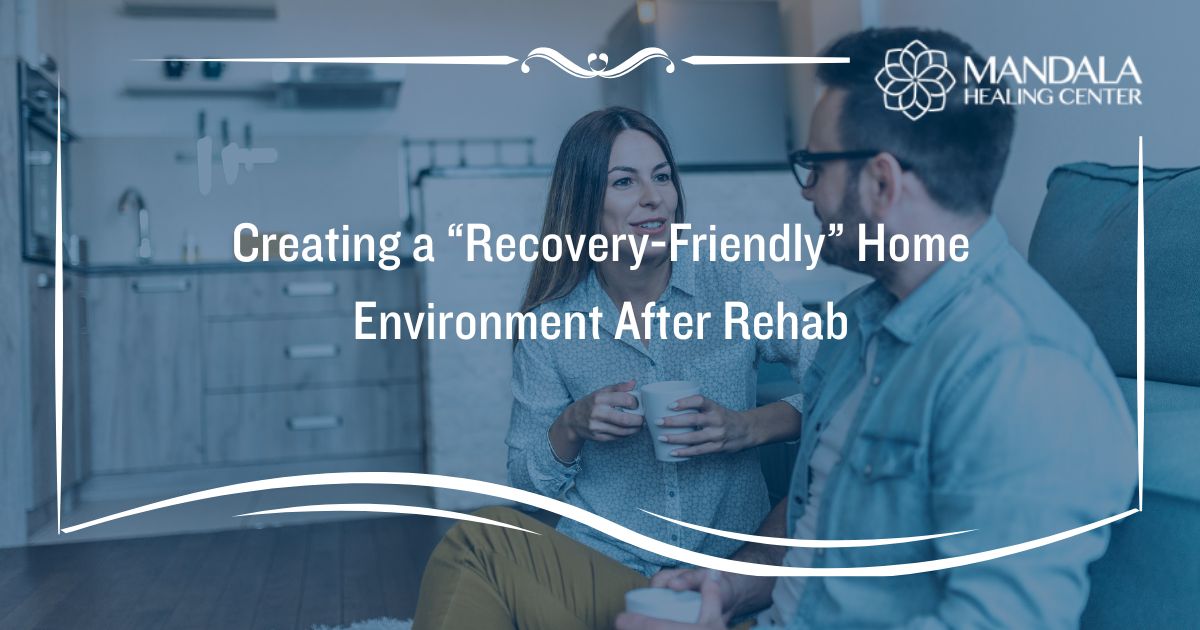
Recovery from substance use disorders doesn’t end when rehab does. In fact, life after rehab is just the beginning. One of the most critical, yet often overlooked, components of the recovery journey is the home environment. Creating a recovery-friendly home plays a vital role in allowing individuals to sustain recovery, reduce the risk of relapse, and improve overall well-being. This article offers practical, evidence-based guidance for building a supportive environment that helps individuals thrive in long-term recovery.
Why a Recovery-Friendly Environment Matters
Substance use disorders (SUDs) affect over 40 million Americans annually, yet only about 10% receive treatment.[1] Even after completing a rehabilitation program, individuals face a 40-60% chance of relapse—comparable to rates for other chronic illnesses like diabetes or asthma.[2] The home environment often becomes the frontline in the battle for recovery.
A recovery-friendly environment provides the structure, safety, and support needed to maintain positive changes. It also acknowledges the evolving needs of individuals as they transition from treatment to independent living. Just like a recovery-friendly workplace fosters support and well-being for employees, the home should function as a safe space that encourages resilience, engagement, and ongoing growth.
Key Elements of a Recovery-Friendly Home
Physical Safety and Stability
Recovery thrives in a safe, substance-free environment. This means:
- Removing alcohol, prescription medications (unless medically necessary), and other addictive substances from the home.
- Creating calm, clutter-free spaces that reduce stress and allow for rest and reflection.
- Avoiding triggers—photos, media, or even visitors—associated with past substance use.
The environment should reflect a commitment to wellness, comfort, and predictability.
Emotional and Social Support
A supportive environment isn’t just about what’s removed; it’s about what’s added:
- Family members should receive training or education on how to provide ongoing support without judgment.
- Active listening, patience, and empathy go a long way in helping someone feel understood and valued.
- Encourage open communication, but also set healthy boundaries to protect both the individual in recovery and others in the household.
Families who participate in support programs such as Al-Anon or family therapy contribute significantly to the recovery process.
Establishing Healthy Routines
Structure supports stability. A recovery-friendly home should encourage:
- Consistent sleep and wake times.
- Regular meals and physical activity.
- Designated times for therapy, support group attendance, or reflection (journaling, meditation, etc.).
- Participation in chores and responsibilities that build self-worth.
These healthy routines form a foundation of accountability, self-discipline, and purpose—key ingredients for maintaining recovery.
[elementor-template id=”173075″]
The Role of Education and Resources
Education is an essential tool in fostering understanding, reducing stigma, and improving outcomes. Families and caregivers should learn:
- The science of addiction is a chronic health disorder, not a moral failing.
- How to recognize early signs of relapse.
- Current public health and treatment policies that support recovery.
Utilize resources like SAMHSA (Substance Abuse and Mental Health Services Administration), which provides guidance, toolkits, and programs for families and communities.
Access to community resources—such as local recovery centers, outpatient services, or peer groups—enhances the support available beyond the home.
Creating Space for Growth and Independence
As individuals reenter daily life post-rehab, autonomy becomes essential. The home should:
- Allow for private spaces where the person can reflect or decompress.
- Encourage decision-making and problem-solving to rebuild confidence.
- Provide opportunities for social connection outside the home, like volunteering, employment, or group meetings.
Employers who foster recovery-friendly workplace cultures—by offering training, flexible leave policies, or employee wellness programs—can be instrumental partners in this stage of recovery.
Reducing Barriers and Addressing Challenges
Recovery is not linear, and setbacks can occur. A recovery-friendly home must be equipped to respond with compassion rather than punishment.
Barriers to watch for:
- Stigma from family or friends, which can cause isolation or shame.
- Lack of boundaries, leading to codependent behavior.
- Unrealistic expectations, which can increase stress and trigger relapse.
Guidance from counselors, sponsors, or support groups can help navigate these challenges effectively.
Supporting Mental Health in the Recovery Process
Mental health and substance use are deeply intertwined. According to the Substance Abuse and Mental Health Services Administration (SAMHSA), “approximately 21.5 million adults in the United States have a co-occurring disorder.”[3]
Home environments should:
- Support access to psychiatric care or counseling.
- Normalize conversations around anxiety, depression, or trauma.
- Encourage skills that promote emotional regulation, such as mindfulness or cognitive behavioral techniques.
Building a culture of mental health awareness within the home reinforces the message that healing is multifaceted and ongoing.
Engaging the Broader Community
Homes are part of larger ecosystems. Recovery is more successful when communities, organizations, and businesses embrace recovery-friendly practices.
Individuals in recovery should:
- Participate in or advocate for local initiatives that aim to reduce stigma and promote public health.
- Engage with employers, schools, and civic groups to foster inclusive, recovery-friendly spaces.
- Support policies that expand access to affordable treatment, education, and recovery housing.
When the home, workplace, and community align in their support, individuals are better equipped to thrive and lead meaningful, productive lives.
Recovery is a Family and Community Effort
The journey to long-term recovery is not one a person takes alone. It requires dedicated support, informed guidance, and an environment that fosters resilience.
Whether you’re a family member, employer, or friend, you play a pivotal role in creating spaces that allow individuals to heal and grow. Recovery is not just about avoiding substance use—it’s about rebuilding a life worth living, one safe and supportive day at a time.
Get Connected to a Top-Rated Addiction Treatment Center
Creating a recovery-friendly home environment isn’t about perfection. It’s about commitment—to learning, adjusting, and walking alongside someone through their recovery journey. With the right space, mindset, and resources, recovery becomes not just possible, but sustainable.
If you or a loved one is suffering from addiction, it’s time to seek professional help. At the Mandala Healing Center, we can provide you with the tools and support you need to achieve recovery. Contact us today for more information on how we can help.
Frequently Asked Questions (FAQ)
1. What are some signs that my home environment may not be supporting recovery?
Common red flags include frequent conflicts, lack of structure, ongoing exposure to substances (even in social settings), or emotional distancing among family members. If the person in recovery seems withdrawn, anxious at home, or avoids spending time there, it may be a signal that changes are needed to foster a more recovery-supportive atmosphere.
2. Can roommates or extended family affect recovery outcomes?
Yes. Living with individuals who use substances, minimize the seriousness of addiction, or engage in enabling behaviors can significantly increase the risk of relapse. It’s important to set clear expectations with all household members and, if needed, involve them in educational programs or family therapy to align on goals for recovery support.
3. How do I talk to children in the home about a loved one’s recovery?
Use age-appropriate, honest language that focuses on the fact that the person is getting help and working to get healthier. Avoid stigmatizing language like “bad behavior” or “addict.” Reassure children that they are safe and can ask questions. Involving a counselor can help facilitate healthy, guided discussions with younger family members.
4. Are there financial resources or grants to help make a home more recovery-friendly?
Yes. Some community-based recovery programs, nonprofits, and state health departments offer grants or subsidies for transitional housing, home safety improvements, or peer recovery support. Organizations like SAMHSA or local recovery community organizations (RCOs) can provide referrals or connect families to relevant funding sources.
5. What role do pets or animals play in a recovery-friendly home?
Animals can offer emotional support, routine, and companionship, all of which are beneficial to recovery. Caring for a pet can create a sense of responsibility and purpose. However, it’s important to ensure the person in recovery is ready for the commitment and that the presence of animals doesn’t add stress to the home dynamic.
6. How do we adapt the home environment over time as recovery progresses?
A recovery-friendly home should be flexible. As individuals regain independence, they may need more personal space, privacy, or less supervision. Involving them in household decision-making, setting new goals together, and regularly reassessing what works (or doesn’t) helps the environment evolve alongside the individual’s growth.
References:
- The National Institute on Drug Abuse (NIDA): NIDA IC Fact Sheet 2024
- The National Institute on Drug Abuse (NIDA): Treatment and Recovery
- The Substance Abuse and Mental Health Services Administration (SAMHSA): Co-Occurring Disorders and Other Health Conditions
Previous in this series: Cost Of Rehab · Next in this series: Dialectical Behavior Therapy
Learn more about residential addiction treatment.
Previous in this series: Coping with an Addicted Child · Next: Debunking Common Myths About Relapse




-

Signs Your Drinking May Be Becoming a Problem
October 8, 2026
-

How to Get Into Rehab Quickly in Florida
September 30, 2026
-

Can You Go to Rehab Without Detoxing First?
September 24, 2026
-

Can You Become Addicted to Alcohol Without Drinking Every Day?
September 19, 2026
-

Inpatient vs. Outpatient Rehab: Which One Is Right for You?
September 14, 2026