 Skip to the content

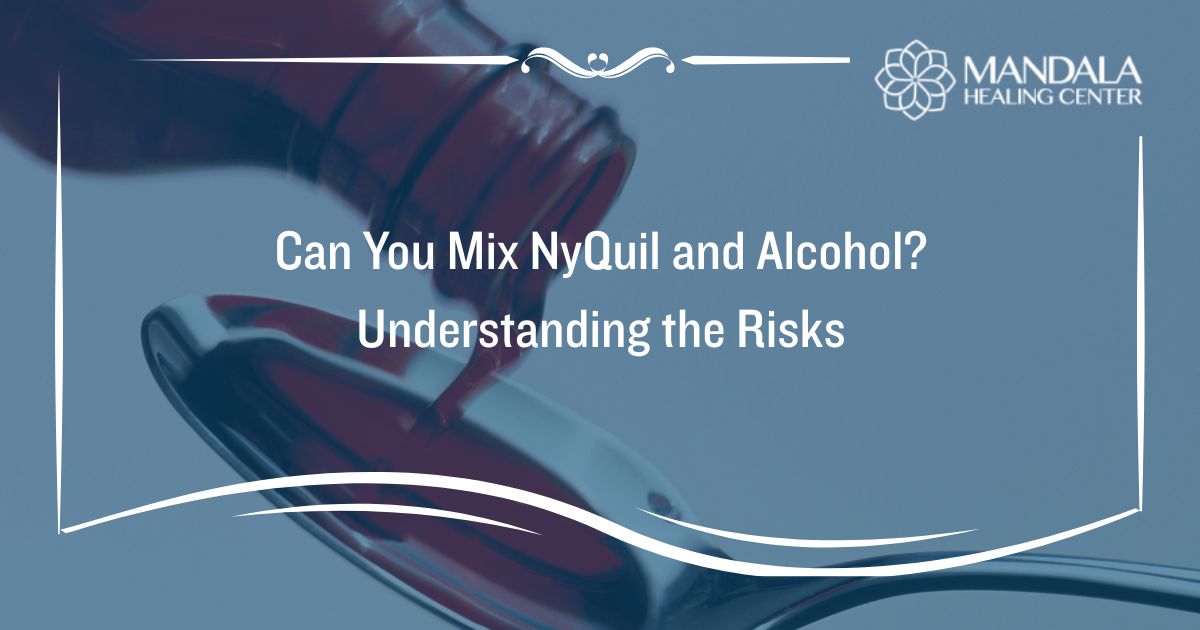
NyQuil is a popular over-the-counter (OTC) medication used to relieve symptoms of the common cold and flu. Many people turn to it to soothe a sore throat, reduce fever, ease a runny nose, and combat sleep problems associated with illness. However, when you mix NyQuil and alcohol, the consequences can be dangerous—and sometimes life-threatening.
Whether taken intentionally or accidentally, mixing NyQuil and alcohol poses serious health risks. This article explores what happens when you combine these substances, why it’s risky, and what steps you can take if you or someone you know is struggling with alcohol use or substance abuse.
What Is NyQuil?
NyQuil is a line of over-the-counter medications made by Vicks, designed to relieve cold and flu symptoms. Common versions include NyQuil Liquid and NyQuil LiquiCaps. While these products provide temporary relief, they contain active ingredients that can interact dangerously with alcohol.
Typical ingredients in NyQuil products include:
- Doxylamine succinate – a sedating antihistamine that helps with sleep and reduces a runny nose.
- Acetaminophen – a pain reliever and fever reducer that is also found in many other medications.
- Dextromethorphan – a cough suppressant used to relieve a dry cough.
Each of these ingredients has its own risks, but when combined with alcohol, the increased risk of complications rises sharply.
Why People Mix NyQuil and Alcohol
Some individuals may not realize the dangers of combining alcohol with OTC medications like NyQuil. Others may intentionally mix the two substances for their sedative effects, chasing a feeling of relaxation or escape.
This is especially common among those dealing with alcohol addiction, psychological dependence, or untreated mental health conditions. Unfortunately, the consequences of mixing alcohol with certain medications like NyQuil can go beyond just feeling drowsy.
What Happens When You Mix NyQuil and Alcohol?
When you take NyQuil and drink alcohol, your body processes a mixture of sedatives, depressants, and liver-toxic substances.
Here’s how your body is impacted.
Central Nervous System Depression
Both alcohol and NyQuil depress the central nervous system (CNS). This means they slow down your brain activity, which can result in extreme drowsiness, impaired judgment, difficulty breathing, and, in some cases, loss of consciousness.
This combination increases the risk of respiratory depression, where breathing slows to dangerous levels. In severe cases, this can lead to medical emergencies or even death.
Liver Damage and Acute Liver Failure
The liver metabolizes the acetaminophen in NyQuil. So is alcohol. Taking both at the same time puts immense strain on this vital organ, especially if done repeatedly.
This increases the risk of:
- Liver damage
- Liver disease
- Severe liver damage
- Acute liver failure
People who already have liver problems or alcohol use disorder are at even higher risk for complications.
Increased Risk of Overdose
Combining NyQuil and alcohol may mask the signs of a potential overdose, especially if you’re unaware of how much acetaminophen you’re ingesting. Many people don’t realize how many OTC medications contain acetaminophen, leading to higher doses than intended.
Upset Stomach and Other Physical Symptoms
Drinking alcohol while using NyQuil can also cause stomach upset, nausea, vomiting, and rapid heartbeat. For some individuals, this combination can exacerbate cold symptoms or even lead to new health issues altogether.
[elementor-template id=”173075″]
Health Risks of Combining NyQuil and Alcohol
To summarize, mixing NyQuil and alcohol presents multiple dangers, especially for individuals with ongoing substance use or who take many medications regularly.
Risks include:
- Respiratory depression
- Liver damage
- Excessive drowsiness
- Impaired coordination
- Higher risk of falls or accidents
- Sleep problems
- Medical emergencies
- Potential overdose
- Psychological dependence
Even if your goal is just to relieve flu symptoms or cold symptoms, using both alcoholic beverages and NyQuil can make things worse, not better.
Why the Risks Are Higher for People with Alcohol Use Issues
If you have a history of alcohol abuse, your body may already be under stress. Over-the-counter medications may seem harmless, but when combined with alcohol, they can add to that strain in harmful ways.
People with alcohol use disorder often have weakened immune systems, existing liver disease, and may also be using other substances. This makes the effects of combining alcohol and NyQuil even more unpredictable and dangerous.
Furthermore, habitual mixing NyQuil and alcohol may signal deeper problems related to substance abuse or psychological dependence—problems that often require professional help.
What To Do Instead: Safer Ways to Manage Cold Symptoms
If you’re struggling with a severe cold, flu symptoms, or even just a sore throat, it’s important to choose treatments that won’t put you at risk. Instead, talk to a healthcare provider or healthcare professional before using certain medications. Avoid alcohol entirely while sick or when taking OTC medications like NyQuil.
Consider using single-ingredient medications to better track what you’re consuming. Finally, drink plenty of fluids and rest to help your immune system heal.
There are many medications available that don’t include sedatives or fever reducers that may interact with alcohol. Always read labels carefully, and never hesitate to seek medical advice if you’re unsure.
When to Seek Help: Signs of Substance Abuse
It’s not uncommon for people to use alcohol or over-the-counter drugs to cope with discomfort, stress, or emotional pain. But when this becomes a habit—especially if you’re combining NyQuil and alcohol regularly—it may be a sign of deeper challenges related to substance use or mental health.
Warning signs include:
- Needing to mix medications to feel relaxed
- Using alcohol daily or to self-medicate
- Continuing to drink despite adverse effects
- Hiding or lying about your alcohol use
- Experiencing health issues like liver problems or impaired judgment
If you recognize any of these signs in yourself or a loved one, it may be time to explore addiction treatment options.
Treatment Options for Alcohol Abuse and Dependence
At our addiction treatment center, we offer compassionate, personalized care for individuals dealing with alcohol addiction, substance abuse, and co-occurring mental health conditions. We focus not just on managing symptoms, but on addressing the root causes of addiction.
Treatment options may include:
- Medically supervised detox
- Individual, group, and family therapy
- Medication-assisted treatment (MAT)
- Support for dual diagnoses
- Long-term recovery planning
You don’t have to go through this alone. Whether your struggle is with alcohol, other substances, or mixing alcohol with medications, help is available.
Find Treatment and Support Now
Mixing NyQuil and alcohol may seem harmless, especially when trying to relieve cold symptoms. But the health risks are serious and far-reaching—from liver damage to difficulty breathing, from excessive drowsiness to potential overdose.
If you’re worried about your own alcohol use or you’ve been combining alcohol with other medications, contact the Mandala Healing Center specialists to explore your treatment options. Schedule an intake appointment, learn about our programs, or ask questions by reaching out today.
Frequently Asked Questions (FAQ)
1. How long after drinking alcohol can I safely take NyQuil?
It’s generally recommended to wait at least 24 hours after your last alcoholic drink before taking NyQuil. This allows your body time to metabolize the alcohol and reduces the risk of harmful interactions with NyQuil’s ingredients. If you’ve consumed large quantities or drink regularly, consult a healthcare provider for specific guidance.
2. Is it safe to drink alcohol while taking other cold medications?
Not all cold medications are safe to combine with alcohol. Many over-the-counter remedies contain acetaminophen, antihistamines, or cough suppressants, which can also cause drowsiness, liver damage, or respiratory issues when mixed with alcohol. Always check the label or talk to a healthcare professional before combining any OTC medications with alcohol.
3. Can alcohol worsen cold or flu symptoms?
Yes, alcohol can weaken the immune system, making it harder for your body to fight off infections. It may also cause dehydration, interfere with sleep, and exacerbate congestion, cough, or fatigue. Drinking while sick can prolong your illness or increase the severity of symptoms.
4. What should I do if I accidentally took NyQuil after drinking?
If you’ve mixed NyQuil and alcohol unintentionally, monitor your symptoms closely. Seek immediate medical attention if you experience difficulty breathing, extreme drowsiness, nausea, or confusion. It’s always better to err on the side of caution, especially if you’ve taken a higher dose or have other health concerns.
5. Can I become dependent on NyQuil if I use it frequently?
Yes, frequent use of NyQuil—especially for its sedative effects—can lead to psychological dependence. Some individuals may misuse NyQuil to fall asleep or manage anxiety. If you find yourself relying on NyQuil regularly outside of treating illness, it may be time to speak with a medical or addiction specialist.
6. Does using NyQuil with alcohol increase the risk of addiction?
Combining substances like NyQuil and alcohol can increase the likelihood of developing substance use issues, particularly in those already at risk. Using both to cope with stress, sleep, or emotions may signal a pattern of self-medication, which is closely tied to the development of alcohol use disorder and other forms of substance abuse.
Sources
- NIAAA: Harmful Interactions–Mixing Alcohol With Medications
- CDC: Alcohol Use and Your Health
- National Library of Medicine: Alcohol-Associated Liver Disease
- NIMH: Finding Help for Co-Occurring Substance Use and Mental Disorders
Learn more about alcohol addiction treatment.
Previous in this series: Drinking Benders what to do After a Drinking Bender · Next: Why Am I Shaking After Drinking


-

Does Insurance Cover Drug and Alcohol Rehab in Florida?
October 13, 2026
-

Signs Your Drinking May Be Becoming a Problem
October 8, 2026
-

How to Get Into Rehab Quickly in Florida
September 30, 2026
-

Can You Go to Rehab Without Detoxing First?
September 24, 2026
-

Can You Become Addicted to Alcohol Without Drinking Every Day?
September 19, 2026