 Skip to the content

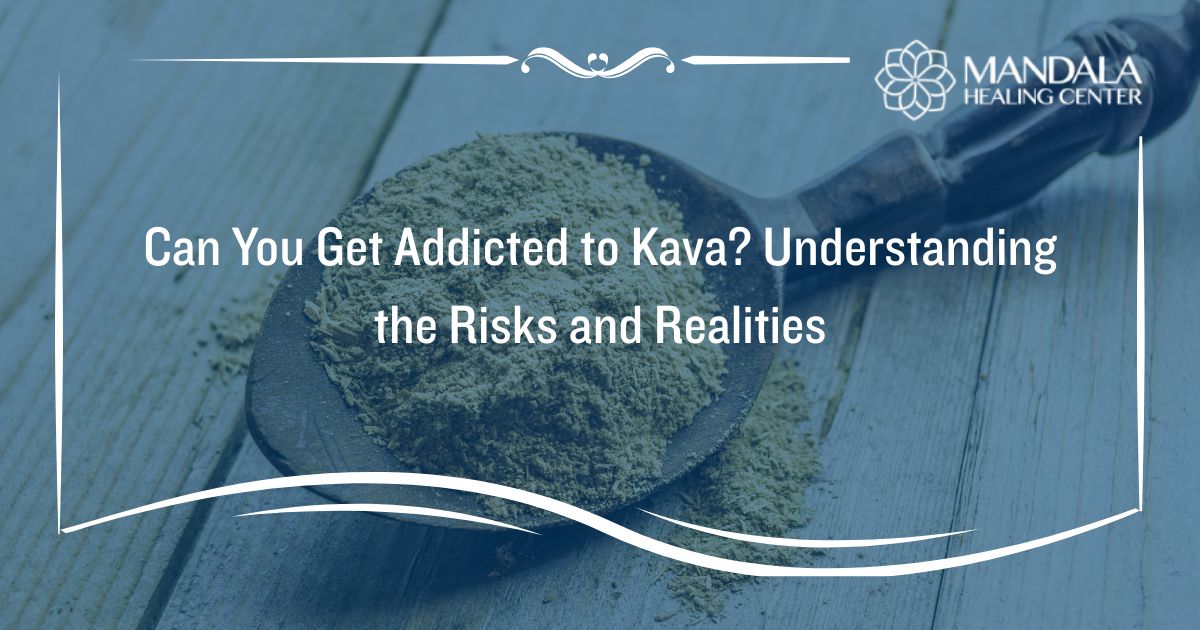
For centuries, kava—a traditional beverage made from the kava plant (Piper methysticum)—has been used in the South Pacific islands for cultural practices, stress relief, and calming effects. Today, it has become increasingly popular in the United States and other countries, with kava bars emerging in major cities and kava products being sold as dietary supplements. Many people drink kava to treat anxiety, promote muscle relaxation, or experience its psychoactive properties without turning to other drugs or alcohol.
But as kava becomes more widely consumed, an important question arises: Can you get addicted to kava? While kava is often marketed as a “natural” and “safe” alternative to other substances, its effects on the central nervous system and liver health are complex—and in some cases, concerning.
In this article, we’ll explore:
- How kava works and why people drink it
- Whether kava is addictive and what kava withdrawal looks like
- The connection between kava consumption and liver toxicity
- Risks of combining kava with other drugs or alcohol
- Safer alternatives for overcoming addiction and finding a supportive environment
What Is Kava and How Is It Used?
Kava comes from the kava root of the Piper methysticum plant, native to the Pacific islands. Traditionally, the root is ground, soaked, and strained into a kava drink, often mixed with coconut milk or water. For Pacific Islanders, drinking kava is part of deep-rooted cultural practices tied to community bonding and spiritual rituals.
Modern kava use has evolved. Today, you can find:
- Kava extracts and concentrated forms in dietary supplements
- Ready-to-drink kava products are available for purchase online and in select health food stores.
- Kava bars serve the beverage as an alternative to alcohol.
People often consume kava for its calming effects, pain relief, and potential anticancer properties. Randomized clinical trials and systematic reviews have also suggested that kava may provide a significant reduction in symptoms of anxiety disorders, making it an appealing option for those looking to treat anxiety naturally.
How Kava Affects the Brain and Body
Kava’s primary active compounds, known as kavalactones, interact with the central nervous system, producing psychoactive effects such as:
- Relaxation and stress relief
- Mild muscle control loss and muscle relaxation
- Reduced feelings of worry or tension
- Occasionally, euphoria
Because of these psychoactive properties, kava is sometimes viewed as an herbal substitute for other substances like alcohol or benzodiazepines. However, its effects on driving ability, reaction time, and muscle control can be significant—especially at higher doses or when combined with several other drugs.
Is Kava Addictive?
Unlike opioids, alcohol, or stimulants, kava is not considered highly addictive. Most studies, including clinical trials and systematic reviews, have found little evidence of kava addiction in typical patterns of kava consumption.
That said, kava use can still become habit-forming for some people. Here’s why:
- The calming effects can make people rely on it daily for stress relief or anxiety management.
- In higher doses or concentrated forms, kava piper methysticum products may produce stronger psychoactive effects, leading to compulsive kava use.
- When people use kava as a substitute for other substances, they may develop psychological dependence.
[elementor-template id=”173075″]
Kava Withdrawal Symptoms
While physical dependence on kava is rare, kava withdrawal can occur after long-term, heavy kava consumption. Reported withdrawal symptoms may include:
- Increased anxiety or irritability
- Sleep disturbances
- Gastrointestinal discomfort
- Headaches and restlessness
These symptoms are usually mild compared to other drugs like alcohol or opioids, but can still affect daily life, especially if kava has been widely consumed for extended periods.
The Risks: Kava and Liver Health
One of the most significant concerns with kava consumption is its potential link to liver toxicity and drug-induced liver injury. While traditional preparation methods in the South Pacific islands typically involve using only the kava root, some modern kava products—especially kava extracts made with extraction solvents—have been associated with kava-related liver damage.
Adverse effects reported in some cases include:
- Liver cells damage
- Liver disease and liver failure
- The need for a liver transplant in severe situations
The exact cause remains a topic of debate in clinical medicine. Some experts believe improper preparation methods, concentrated forms, or combining kava with other substances may increase the risk. Breastfeeding women, individuals with liver disease, and those taking several drugs should avoid taking kava without medical supervision.
Kava and Drug Interactions
Kava use can interact dangerously with other drugs, including:
- Prescription medications for anxiety or sleep
- Alcohol and other central nervous system depressants
- Dietary supplements and herbal medicines with similar psychoactive properties
These drug interactions can heighten the risk of adverse effects, including impaired muscle control, slowed reaction times, and increased risk of liver damage. Always consult a healthcare provider before combining kava with any other substances.
What Do Clinical Trials and Research Say?
The National Center for Complementary and Integrative Health has conducted and reviewed randomized clinical trials and systematic reviews on kava’s potential benefits and risks. Key findings include:
- Significant reduction in anxiety symptoms for some patients
- Limited evidence supporting claims of weight loss or anticancer properties
- Inconsistent safety data, particularly regarding liver toxicity
- The need for better-regulated kava products and further clinical trials
While kava may help some people treat anxiety, it’s not a one-size-fits-all solution—and it’s not without risks.
Safer Paths: Addiction Treatment and Integrative Health
For individuals struggling with drug addiction or dependence on other substances, including potential kava addiction, seeking professional help is the safest path forward. Effective addiction treatment often combines:
- Integrative health approaches that address the whole person—mind, body, and spirit
- Evidence-based therapies backed by clinical medicine, including detox, treatment, and ongoing recovery support
- Access to a safe and supportive environment
- Education about herbal medicines, dietary supplements, and potential drug interactions
With the proper support, it’s possible to overcome addiction and rebuild a healthier relationship with substances, whether it’s kava or other drugs.
Key Takeaways
- Kava (Piper methysticum) is a traditional beverage with psychoactive properties that can promote stress relief, muscle relaxation, and calming effects.
- While kava’s addictive tendencies are generally low, heavy kava consumption can lead to kava withdrawal and psychological dependence.
- Liver toxicity, drug-induced liver injury, and liver failure have been associated with kava, primarily concentrated forms and improper preparations.
- Combining kava with other substances or several drugs can heighten risks, including impaired driving ability and adverse effects on the central nervous system.
- Always consult healthcare providers before taking kava or kava products, especially if you’re on other drugs or have liver disease.
Find Treatment
Kava can seem like a harmless way to drink kava for stress relief or treat anxiety, but like any herbal medicine, it carries potential risks. Before you consume kava, understand its effects on the central nervous system, possible drug interactions, and its link to liver damage. If you or someone you love struggles with kava addiction or other substance use, professional addiction treatment can provide a safe and supportive environment for healing.
If you or someone you love struggles with substance abuse, you are not alone. Find treatment and support at the Mandala Healing Center. Contact our specialists to learn about our programs or to schedule an intake appointment.
Frequently Asked Questions About Kava and Addiction
1. Can you build a tolerance to kava?
Yes, regular kava consumption can lead to tolerance over time, meaning you may need higher doses to achieve the same calming effects. This doesn’t necessarily mean kava is addictive, but increasing intake can heighten the risks of adverse effects, especially on the liver and central nervous system.
2. Is kava safe to use while breastfeeding or during pregnancy?
No. Breastfeeding women and those who are pregnant should avoid taking kava. There isn’t enough reliable data from randomized clinical trials to confirm its safety in these groups, and there’s a potential risk of liver damage and drug interactions that could affect both the mother and baby.
3. How does kava affect your driving ability?
Because of its psychoactive properties, drink kava responsibly—especially if you plan to drive. Kava can slow reaction times, reduce muscle control, and impair coordination. These effects may be more potent if kava is consumed with other drugs, alcohol, or specific dietary supplements.
4. Are all kava products equally safe?
Not necessarily. Traditional kava root preparations are generally considered safer than kava extracts or products made using extraction solvents. Poorly regulated or concentrated forms of kava products have been linked to increased risks of liver toxicity and drug-induced liver injury. Always purchase from reputable sources and check for quality certifications.
5. Can kava interact with prescription medications?
Yes. Kava use can interfere with several drugs, including medications for anxiety disorders, pain relief, and sleep issues. These drug interactions may amplify sedative effects or worsen liver toxicity. Always consult a healthcare provider before combining kava products with any prescription or over-the-counter medications.
Resources
- National Institute of Health: Kava
- California Department of Public Health: Kava
Learn more about kratom addiction treatment.
Previous in this series: Kava Withdrawal Timeline Symptoms and Treatment · Next: How Long does Kratom Stay in your System



-

Signs Your Drinking May Be Becoming a Problem
October 8, 2026
-

How to Get Into Rehab Quickly in Florida
September 30, 2026
-

Can You Go to Rehab Without Detoxing First?
September 24, 2026
-

Can You Become Addicted to Alcohol Without Drinking Every Day?
September 19, 2026
-

Inpatient vs. Outpatient Rehab: Which One Is Right for You?
September 14, 2026