
Behavioral addictions can be just as damaging as substance addictions. While alcohol abuse and drug addiction are widely recognized, non-substance addictions—like gambling or internet use—are often misunderstood or overlooked. These conditions can cause negative consequences in a person’s daily life, relationships, physical health, and mental well-being.
Behavioral addictions are driven by compulsive engagement in rewarding, yet harmful, activities. Unlike substance addictions, which involve the use of external chemicals, these behaviors stimulate the brain’s reward system through repetitive actions.
This article explores five common behavioral addictions, how they impact individuals, and the most effective methods for treating behavioral addictions.
What Is a Behavioral Addiction?
A behavioral addiction is a condition where a person feels compelled to engage in a specific behavior—despite negative consequences—because it provides a temporary emotional or psychological reward.
According to the American Psychiatric Association’s Diagnostic and Statistical Manual of Mental Disorders (DSM-5), only gambling disorder is officially recognized as a behavioral addiction. However, mental health professionals acknowledge other behaviors that resemble substance use disorders in how they affect the brain, body, and daily functioning.
Common characteristics of addictive behaviors include:
- Intense urges or cravings
- Loss of control over the behavior
- Continued behavior despite harm
- Emotional distress or withdrawal symptoms when trying to stop
These behaviors often coexist with mental health disorders, such as bipolar disorder, anxiety disorders, obsessive-compulsive disorder (OCD), and mood disorders.
Gambling Addiction
Pathological gambling, or gambling disorder, is a compulsive need to gamble despite financial loss, relationship strain, or declining mental health.
Those struggling with gambling addiction often:
- Chase losses, believing they can win back money
- Lie to loved ones about their gambling
- Feel restless or irritable when trying to stop
- Use gambling to escape from problems or negative emotions
Treatment for gambling disorder includes:
- Cognitive behavioral therapy (CBT) to identify and change harmful thought patterns
- Group support like Gamblers Anonymous
- Medication (such as antidepressants or mood stabilizers)
- Addiction treatment programs specializing in behavioral and substance addictions
Seeking treatment can help people reduce gambling behaviors and the unwanted consequences of these compulsions.
Internet Addiction
With growing reliance on digital devices, internet addiction disorder has become increasingly prevalent, especially among young adults. This condition includes compulsive use of social media, web browsing, and online interactions, often to the detriment of real-life relationships, work, or education.
Signs of internet addiction:
- Neglecting physical and mental health
- Loss of interest in offline activities
- Isolation from family and friends
- Declining performance at work or school
Treatment options involve:
- Digital detox programs to help reset habits
- Individual therapy, especially CBT
- Addressing underlying psychiatric disorders or mental health conditions
- Family therapy to rebuild connection and communication
Treatment can help individuals regain control over their Internet usage and achieve a better balance in their relationships.
[elementor-template id=”173075″]
Sex Addiction and Compulsive Sexual Behavior
Sex addiction, also referred to as compulsive sexual behavior, involves intense preoccupation with sexual thoughts, urges, or behaviors that interfere with life responsibilities.
People with this behavioral addiction may:
- Engage in risky sexual activities
- Feel unable to control sexual impulses
- Experience shame or guilt after acting out
- Use sex to cope with stress, anxiety, or other mental health disorders
Though not formally listed as an addictive disorder in the manual of mental disorders, compulsive sexual behavior is widely recognized by addiction medicine professionals.
Treatment may include:
- Behavioral therapy to develop healthy coping skills
- Group counseling or 12-step programs
- Medication to manage compulsions or co-occurring mental disorders
- Addressing past trauma or family history of substance abuse
Treatment can help people regain control over their behaviors and find healthy ways to manage these compulsive behaviors.
Shopping Addiction
Also known as compulsive buying disorder, shopping addiction involves the irresistible urge to shop, even when it leads to negative consequences like debt, relationship problems, or emotional distress.
People with compulsive shopping behavior may:
- Buy items they don’t need or can’t afford
- Feel euphoric while shopping, followed by guilt or shame
- Struggle with financial management
- Use shopping to cope with mental health disorders or low self-esteem
Treatment strategies include:
- CBT to address compulsive thinking and spending habits
- Financial counseling and planning
- Support groups like Debtors Anonymous
- Medication for related conditions like depression or anxiety disorders
Treatment can help people address the behavioral and emotional symptoms associated with shopping addiction.
Video Game Addiction
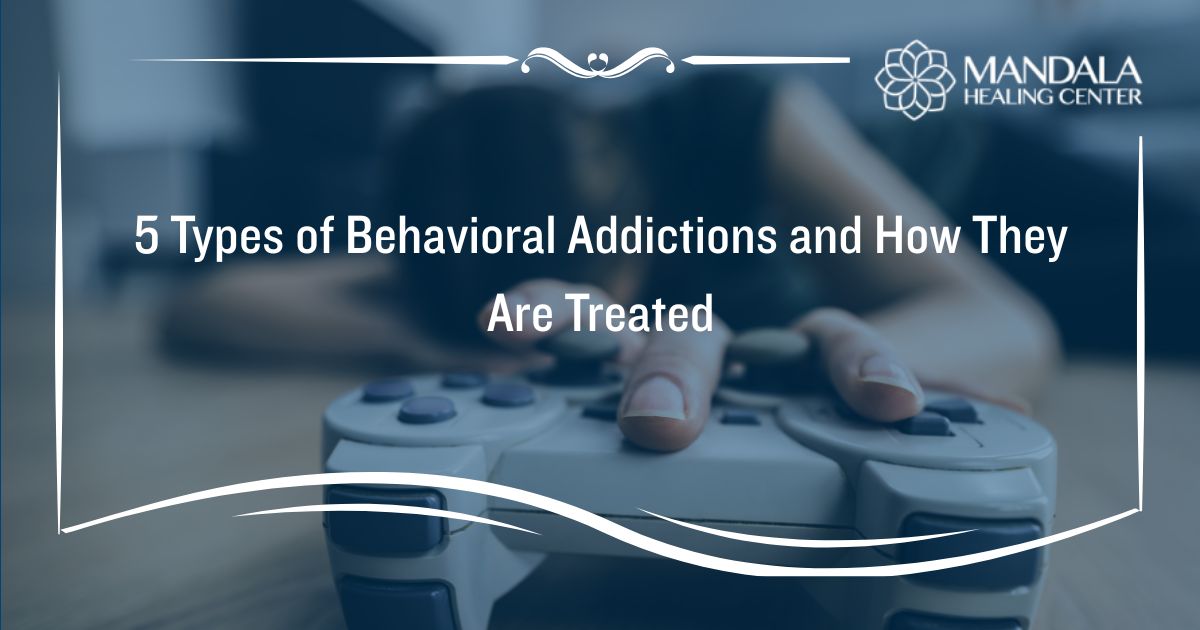
Video game addiction is a type of internet addiction where individuals become obsessed with playing digital games, often at the expense of their physical and mental health.
Symptoms include:
- Playing for extended hours without breaks
- Ignoring hygiene, meals, or sleep
- Becoming agitated or irritable when unable to play
- Falling behind in school or work obligations
Internet addiction prevalence studies show a rise in problematic gaming, particularly among young adults and teens.
Effective treatment involves:
- Limiting screen time through structured routines
- Engaging in offline hobbies and social interaction
- Therapy to improve emotional regulation
- Family involvement to support recovery
Treatment can help individuals regain control over compulsive behaviors and achieve a more balanced life and relationships.
How Behavioral Addictions Are Treated
While behavioral addiction and substance issues differ in some ways, they share key similarities in how they affect the brain and emotions. That’s why many of the same approaches used for alcohol or drug addiction are adapted for non-substance addictions.
Here is a closer look at what therapies are used to address behavioral addictions.
Therapy and Counseling
Cognitive behavioral therapy (CBT) is one of the most effective treatments. It helps individuals identify problematic behaviors, understand their triggers, and develop healthier responses to them.
Other therapeutic approaches include:
- Dialectical behavior therapy (DBT) for emotion regulation
- Motivational interviewing to enhance willingness to change
- Family and couples therapy to rebuild relationships
Medication
Though there is no one-size-fits-all pill, medications used for substance dependence, depression, or obsessive-compulsive disorder may help manage urges and underlying mental disorders.
Support Groups and Peer Recovery
Support from peers who understand the struggles of behavioral addictions can be life-changing. Groups like Gamblers Anonymous or Sex Addicts Anonymous follow similar frameworks as those for alcohol or drug addiction.
Residential or Outpatient Programs
Some individuals benefit from immersive care, especially when behavioral addiction affects multiple areas of life. These programs combine therapy, skill-building, and addiction treatment planning.
Risk Factors and Root Causes
Behavioral addictions don’t develop in a vacuum. Several environmental factors and personal vulnerabilities play a role, including:
- A family history of substance use disorders or psychiatric disorders
- Past trauma or abuse
- Poor impulse control or impulse control disorders
- Co-occurring mental health conditions
- Altered brain chemistry due to stress or past drug and alcohol abuse
Recognizing these risk factors can lead to earlier intervention and better outcomes.
Conclusion: Healing Is Possible
If you or someone you love is struggling with compulsive behaviors, non-substance addictions, or any type of addictive disorder, you are not alone. These conditions are real, valid, and treatable.
Whether you’re facing a gambling disorder, compulsive sexual behavior, internet addiction, or shopping addiction, reaching out to a mental health treatment center could be your first step toward lasting healing and freedom.
Find the treatment, resources, and recovery support to address behavioral addictions at the Mandala Healing Center. Explore our holistic programs or schedule an intake appointment by contacting our specialists today.
Frequently Asked Questions (FAQ) About Behavioral Addictions
1. Can behavioral addictions lead to physical symptoms?
Yes. While behavioral addictions don’t involve substances, they can still cause physical symptoms due to stress, sleep deprivation, or neglect of basic needs.
For example, someone with video game addiction might experience eye strain, headaches, or back pain. Compulsive shopping can lead to financial stress that impacts physical health (e.g., high blood pressure or insomnia).
2. Are behavioral addictions treated differently from substance addictions?
The core treatment methods—like cognitive behavioral therapy, group support, and medication—are similar.
However, unlike substance addictions, behavioral addictions don’t involve detox or management of chemical withdrawal. Treatment tends to focus more on impulse control, emotional regulation, and addressing the underlying mental health disorders or life stressors contributing to the behavior.
3. How do I know if a behavior has become an addiction?
A behavior may be considered an addiction if:
- It interferes with daily responsibilities or relationships
- You feel unable to stop despite wanting to
- The behavior causes emotional distress or negative consequences
- You rely on it to cope with emotional pain or stress
A professional evaluation can help determine if it qualifies as a behavioral addiction characterized by clinical criteria.
4. Are some people more at risk for developing behavioral addictions?
Yes. Factors like a family history of addiction, past trauma, bipolar disorder, obsessive-compulsive disorder, or high levels of stress can increase vulnerability. Young adults, due to brain development and social pressure, may also be more susceptible, especially to internet and social media addiction.
5. Can behavioral addictions be prevented?
While not all addictions are preventable, building awareness of personal triggers, maintaining healthy coping skills, and managing mental health conditions proactively can reduce risk. Early intervention—especially when behaviors start becoming compulsive—is key to preventing full-blown addictive disorders.
Sources



-

How Long Does Buprenorphine Stay in Your System?
May 19, 2026
-
How Much Does a Detox Program in West Palm Beach Cost?
April 28, 2026
-
How Long Do South Florida Rehab Programs Typically Last?
April 21, 2026
-
What Does Freebasing Mean?
April 13, 2026
-
How to Get Florida Medicaid to Pay for Drug & Alcohol Rehab Services
April 10, 2026