 Skip to the content

Can You Smoke Xanax? Understanding the Risks and Realities
Xanax is one of the most commonly prescribed medications for anxiety-related conditions. While it can be effective when used as directed, misuse of this drug has become a growing concern. Many people ask, can you smoke Xanax? The short answer is yes—but doing so carries serious and often life-threatening risks.
This article explains what happens when people attempt to smoke Xanax, why it’s dangerous, and how misuse can lead to long-term harm. If you or someone you care about is struggling, understanding these risks can be the first step toward recovery.
If you or a loved one needs treatment to address Xanax or other substance abuse, find comprehensive care at the Mandala Healing Center.
What Is Xanax and How Is It Meant to Be Used?
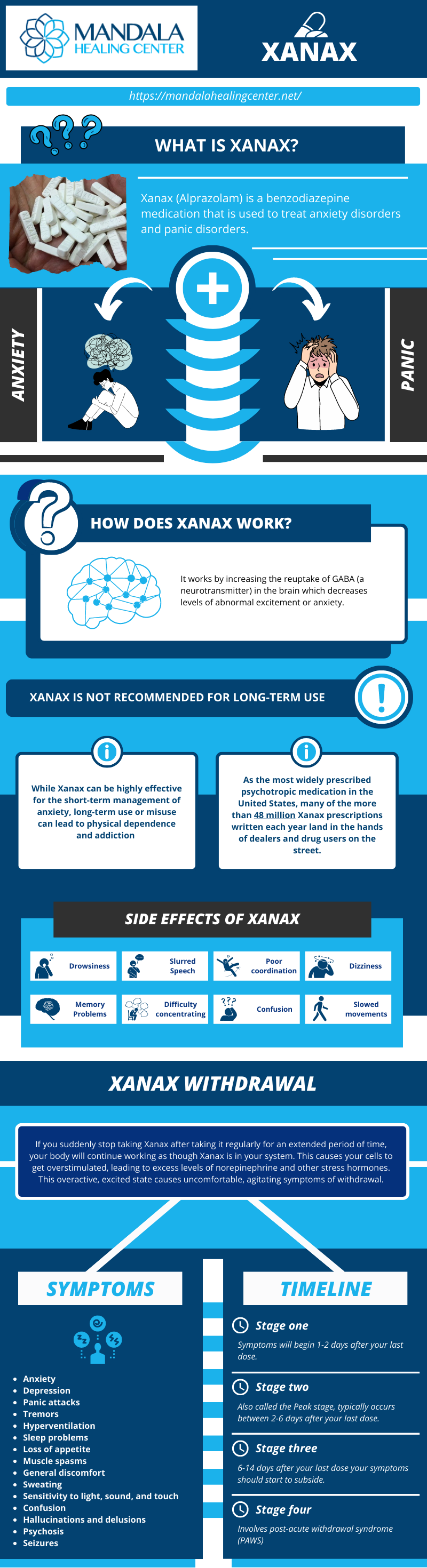
Xanax is the brand name for the drug alprazolam, a type of prescription medication classified as a benzodiazepine. It works by slowing activity in the central nervous system, producing calming effects that help reduce anxiety symptoms and panic attacks.
Doctors typically prescribe Xanax to treat anxiety disorders, including generalized anxiety disorder and anxiety and panic disorders. It is also used for short-term relief of panic disorders. Because it acts quickly, it can be effective for managing acute symptoms.
However, Xanax is highly addictive, even when taken as prescribed. Misuse can quickly lead to dependence, especially when people take too much Xanax or use it in ways not intended—such as smoking, snorting, or injecting.
Can You Smoke Xanax?
Technically, it is possible to smoke Xanax by crushing a Xanax pill and heating it. However, this does not produce the same effect as taking Xanax in its intended pill form. In fact, smoking Xanax often destroys the drug’s active ingredients, meaning users may not even achieve the same effect they are seeking.
More importantly, attempting to smoke Xanax exposes the body to harmful chemicals and byproducts that can damage the lungs and respiratory system. This practice is not only ineffective but also extremely dangerous.
Why Do People Try Smoking Xanax?
People struggling with substance abuse or drug misuse may experiment with different ways of using prescription drugs to intensify or speed up the effects. Smoking, snorting Xanax, or even injecting Xanax are sometimes seen as ways to get a faster “high.”
Others may already be dealing with xanax abuse or addiction and are chasing stronger effects after building tolerance. Over time, this can lead to more dangerous patterns of drug use, including mixing Xanax with other substances, especially alcohol or illicit drugs.
The Dangers of Smoking Xanax
Any type of Xanax abuse has the potential for addiction and other harm. However, smoking Xanax has specific risks. Here is an overview of some of the potential dangers of smoking Xanax.
Damage to the Lungs and Respiratory System
Smoking any substance introduces harmful particles into the lungs. When someone tries to smoke Xanax, the fillers and binders in the pill are also burned and inhaled. This can lead to respiratory problems, inflammation, and long-term damage. Repeated exposure increases the risk of serious health consequences such as lung cancer and chronic breathing issues.
Increased Risk of Respiratory Depression
Xanax already slows the central nervous system. When misused—especially through methods like smoking—it can lead to respiratory depression, where breathing becomes dangerously slow or stops altogether. In severe cases, this can result in respiratory arrest, which is life-threatening and requires immediate medical attention.
Unpredictable Effects
Unlike taking Xanax as typically prescribed, smoking it leads to unpredictable absorption. Users may experience either weak effects or sudden, overwhelming sedation. This unpredictability increases the risk of xanax overdose.
Higher Risk When Mixing Xanax
Mixing Xanax with other substances—especially alcohol or other medications—greatly increases the danger. Combining depressants can amplify the effects of Xanax on the central nervous system, leading to respiratory depression, impaired coordination, and even death.
Other Dangerous Methods of Misuse
People may abuse Xanax for a range of reasons and in many different ways. Smoking is not the only risky behavior associated with xanax misuse.
Other forms of drug misuse include:
- Snorting Xanax: Many believe snorting leads to faster effects, but snorting xanax is dangerous and can damage nasal tissues while increasing overdose risk.
- Injecting Xanax: This is extremely unsafe and can introduce infections, block blood vessels, and cause serious complications.
- Mixing Xanax with other drugs: Combining with illicit drugs or other substances significantly increases health risks.
Each of these methods carries severe dangers of snorting, injecting, or altering the drug in ways it was never meant to be used.
Effects of Xanax Misuse on the Body and Mind
When used improperly, Xanax can cause a wide range of adverse effects that impact both physical and mental health. Here is an overview of how Xanax affects the body and mind.
Physical Effects
- Blurred vision
- Respiratory problems
- Digestive system issues
- Impaired coordination
- Respiratory depression
- Increased risk of overdose
Mental and Emotional Effects
- Mood swings
- Trouble concentrating
- Increased anxiety
- Difficulty sleeping
- Worsening mental health symptoms
Long-term xanax abuse can lead to lasting mental health issues and worsen existing conditions like generalized anxiety or panic disorders.
Signs of Xanax Addiction
People who abuse Xanax may be at risk of developing dependence. Xanax addiction can develop quickly, especially when the drug is misused.
Signs of addiction may include:
- Taking Xanax more often than prescribed
- Using higher doses to achieve the same effect
- Craving the drug
- Experiencing withdrawal symptoms when not using
- Continuing use despite negative consequences
Stopping Xanax suddenly can lead to intense withdrawal symptoms, including:
- Anxiety and panic attacks
- Difficulty sleeping
- Increased anxiety and irritability
- Mood swings
- In severe cases, seizures
Because of these risks, it is essential to seek medical supervision when discontinuing Xanax. Withdrawal should never be attempted alone.
The Role of Public Health Awareness
Organizations focused on disease control and public safety have highlighted the dangers of prescription drug misuse. Reports from trusted medical and addiction sources emphasize the growing concerns around benzodiazepine misuse and overdose.
The Drug Enforcement Administration also monitors the misuse of prescription drugs like Xanax due to their high potential for addiction and abuse. If you or someone you love is struggling, xanax addiction treatment can help. Recovery is possible with the right support and professional care.
Treatment may include:
- Medical detox and supervision
- Therapy to address mental health issues
- Support for co-occurring conditions like anxiety disorders
- Education about safe medication use
There are many treatment programs available, depending on individual needs. These may include:
- Inpatient programs for intensive care
- Outpatient programs for flexible support
- Counseling and therapy sessions
- Group support and recovery planning
Most major insurance providers cover many addiction treatment options. Understanding your insurance benefits can make treatment more accessible. Insurance coverage often includes detox, therapy, and ongoing care. Checking with major insurance providers can help you find the right support without unnecessary financial stress.
Take the First Step of Your Recovery Now
Xanax can be helpful when used properly, but misuse—especially attempts to smoke Xanax—can lead to serious complications. From respiratory problems to addiction and overdose, the risks are simply not worth it.
Recovery begins with understanding the dangers and taking action. Whether through therapy, medical care, or support groups, help is available. Seeking professional addiction rehab is not a sign of weakness—it is a step toward a healthier, more stable life.
If you are struggling, know that you are not alone. Find comprehensive assessment, treatment, and recovery support at the Mandala Healing Center. Reach out to our intake team to learn more about our programs or to schedule an admissions assessment now.
Frequently Asked Questions
1. Is smoking Xanax more dangerous than taking it normally?
Yes. Smoking Xanax introduces harmful chemicals into the lungs and can damage respiratory health. It also changes how the drug enters the body, making its effects unpredictable and increasing the likelihood of serious complications.
2. How quickly can Xanax misuse turn into addiction?
Xanax can become habit-forming in a relatively short period, especially when it is not taken as prescribed. Factors like higher doses, frequent use, and combining it with other substances can speed up the development of xanax addiction.
3. Can you overdose on Xanax alone, or only when mixed with other substances?
A xanax overdose can happen on its own, particularly when someone takes too much Xanax. However, the risk becomes much higher when mixing Xanax with other substances, especially alcohol or other medications that affect the central nervous system.
4. What makes Xanax different from other prescription drugs?
Xanax works quickly and directly impacts the central nervous system, which is why it is often used to treat anxiety symptoms and panic attacks. This fast-acting nature also increases its potential for misuse compared to some other prescription drugs.
5. Are there safer alternatives to Xanax for treating anxiety?
Yes. Many people benefit from non-addictive medications, therapy, or a combination of both to treat anxiety and generalized anxiety disorder. A healthcare provider can help determine the most appropriate options based on individual needs.
6. What should you do if someone is misusing Xanax?
If you suspect xanax misuse, it’s important to encourage seeking professional treatment. Speaking with a healthcare provider or addiction specialist can help guide the next steps and connect the person with appropriate addiction treatment and support resources.
Sources
- US DEA: Benzodiazepines
- CDC: Trends in Nonfatal and Fatal Overdoses Involving Benzodiazepines
- NIMH: Anxiety Disorders Overview
- MedLine Plus: Alprazolam
Previous in this series: What is Liquid Xanax Exploring the Risks · Next: Does Xanax Abuse Cause Weight Gain



-

Signs Your Drinking May Be Becoming a Problem
October 8, 2026
-

How to Get Into Rehab Quickly in Florida
September 30, 2026
-

Can You Go to Rehab Without Detoxing First?
September 24, 2026
-

Can You Become Addicted to Alcohol Without Drinking Every Day?
September 19, 2026
-

Inpatient vs. Outpatient Rehab: Which One Is Right for You?
September 14, 2026