 Skip to the content

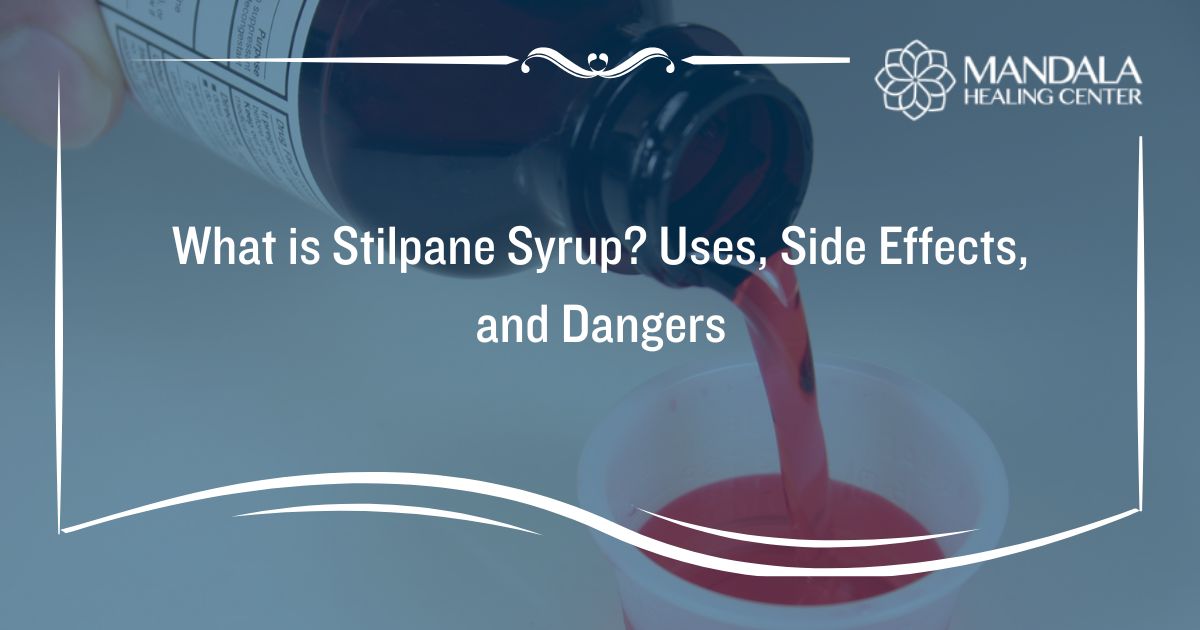
Stilpane syrup is a combination medication used to treat symptoms such as mild to moderate pain, fever, and cold symptoms like a runny nose, cough, and headache. While it may offer short-term relief, it is also a codeine-based cough syrup, which makes it a controlled substance with significant risks for dependency, misuse, and even addiction.
For people struggling with substance use disorders, especially codeine addiction, understanding the effects of Stilpane syrup is crucial. This article explores its uses, side effects, and the serious health risks tied to abusing Stilpane syrup.
Stilpane Syrup Ingredients and How It Works
Stilpane syrup typically contains a blend of active ingredients, including:
- Codeine phosphate – an opioid pain reliever and cough suppressant.
- Paracetamol (acetaminophen) – a common pain reliever and fever reducer.
- Caffeine – often included to enhance the effects of paracetamol.
Codeine is an opioid, meaning it is derived from the opium poppy plant. Codeine works by binding to the opioid receptors in the brain, reducing the perception of pain and suppressing the cough reflex.
However, codeine also depresses the central nervous system, leading to drowsiness, euphoria, and sedation—effects that can be dangerously habit-forming.
Approved Medical Uses of Stilpane Syrup
When prescribed by a doctor, Stilpane syrup is typically used to:
- Relieve pain (especially mild to moderate pain such as headaches or muscle aches)
- Treat coughs from upper respiratory infections
- Reduce fever
- Alleviate symptoms of cold and flu, including allergy symptoms like sneezing and runny nose
It’s crucial to use prescription codeine cough syrups like Stilpane exactly as directed. Any deviation—whether by increasing the dose or taking it for longer than prescribed—can lead to codeine misuse.
The Dark Side: Side Effects of Stilpane Syrup
Despite its therapeutic benefits, Stilpane syrup comes with a range of side effects. Some are mild and short-lived, but others can be dangerous or even life-threatening.
Common Side Effects:
- Drowsiness or fatigue
- Constipation
- Nausea or vomiting
- Dizziness or lightheadedness
- Dry mouth
Severe Side Effects:
- Respiratory depression (shallow or slowed breathing)
- Liver damage or liver failure (from high doses of paracetamol)
- Physical dependence and codeine addiction
- Confusion or hallucinations
- Mental health disorders, including mood swings and depression
Long-term use can also impair the digestive system and reduce the brain’s ability to regulate pain signals naturally.
The Danger of Abusing Stilpane Syrup
Unfortunately, Stilpane syrup has become one of the codeine-based syrups that is frequently misused, especially among young adults. Known on the streets as “purple drank”, it’s often mixed with soda or alcohol for a recreational high.
Abusing Stilpane syrup for its euphoric effects is extremely dangerous. High doses can lead to:
- Respiratory failure
- Severe liver damage
- Overdose
- And even death
People who abuse codeine cough syrup are also at risk of combining it with other substances like alcohol or benzodiazepines, which intensify the depressant effects on the central nervous system, significantly increasing the risk of fatal outcomes.
Warning Signs of Codeine Misuse and Dependency
Recognizing the symptoms of codeine dependency early can help prevent long-term health problems.
Here are some signs that someone may be struggling with codeine misuse:
- Taking higher or more frequent doses than prescribed
- Using Stilpane syrup without a prescription
- Hiding syrup use from loved ones
- Experiencing mood swings, irritability, or depression
- Experiencing withdrawal symptoms when not using
Withdrawal and Physical Dependence
Like other opioid drugs, prolonged use of Stilpane can cause the body to develop physical and psychological dependence. Stopping abruptly can result in severe withdrawal symptoms.
Common codeine withdrawal symptoms include:
- Muscle aches and cramps
- Nausea, vomiting, or diarrhea
- Anxiety or restlessness
- Insomnia
- Sweating and chills
- Intense cravings
Some individuals may also experience shallow breathing, depression, and suicidal thoughts during withdrawal, especially if they’ve been using high doses or combining the syrup with other substances.
Anyone experiencing severe withdrawal symptoms should seek medical help immediately. Quitting cold turkey without supervision can be extremely dangerous.
Stilpane Syrup Overdose: A Medical Emergency
A Stilpane syrup overdose is a life-threatening situation.
Signs of an overdose include:
- Extreme drowsiness or unconsciousness
- Cold, clammy skin
- Bluish lips or fingertips
- Slow or irregular heartbeat
- Respiratory depression or arrest
If you suspect someone is overdosing, call emergency services immediately. Overdoses require prompt medical attention, including the administration of naloxone, a medication that can reverse the effects of opioids.
Addiction Treatment: How to Overcome Stilpane Syrup Addiction
Stilpane syrup addiction is a serious condition, but it is treatable. Comprehensive, evidence-based treatment programs can help individuals safely withdraw from the drug and rebuild their lives.
An effective Stilpane syrup addiction treatment plan often includes a combination of therapies. Here is an overview of what to expect.
Medical Detox
This is the first step to safely managing withdrawal symptoms and stabilizing the body. Medical supervision ensures that complications are addressed immediately.
Inpatient or Outpatient Rehab
In addiction treatment centers, clients receive structured support in inpatient and outpatient rehab programs. These programs may include:
- Individual therapy to uncover the root causes of addiction
- Group counseling to foster connection and accountability
- Mental health treatment for co-occurring conditions like anxiety or depression
Ongoing Support
Recovery doesn’t end with detox. Long-term success involves:
- Support groups (like NA or SMART Recovery)
- Educational programs about the health risks of addiction
- Family therapy
- Lifestyle coaching and relapse prevention strategies
The Role of Healthcare Professionals
If you or someone you love is struggling with codeine addiction, speak to a qualified healthcare provider. Healthcare professionals play a vital role in addressing codeine issues with compassion, clinical knowledge, and access to resources.
They can help you manage symptoms, taper off use safely, and guide you toward evidence-based treatment.
With rising codeine sales and widespread availability of prescription cough syrups, public education is essential. Many people mistakenly assume that because Stilpane is prescribed, it must be safe.
But just like other central nervous system depressants, misuse can lead to serious health risks. Families, schools, and treatment centers must work together to raise awareness, especially among teens and young adults, who may be tempted to experiment.
Find Treatment
If you or someone you care about is abusing Stilpane syrup, know that help is available. Find the compassionate treatment and support you need at the Mandala Healing Center. Reach out to our intake team to explore your treatment options or to schedule your first appointment.
Addiction is not a moral failure—it’s a medical condition that affects both the central nervous system and mental health. With the proper support, recovery is not only possible—it’s within reach.
Frequently Asked Questions (FAQ) About Stilpane Syrup
1. Is Stilpane syrup available over the counter?
No, Stilpane syrup is a prescription-only medication in most countries due to its codeine content. Because codeine is a controlled substance with a high potential for abuse and dependency, its sale and distribution are tightly regulated. Attempting to purchase it without a prescription may be illegal.
2. Can someone become addicted to Stilpane even if they follow the prescription?
Yes, codeine dependency can still develop even with prescribed use, particularly if taken over a long period. Some individuals are more susceptible to developing tolerance and physical dependence, especially if they have a history of mental health disorders, chronic pain, or prior substance use disorders. Always follow your doctor’s instructions and discuss any concerns about long-term use.
3. What makes codeine-based syrups attractive to teens and young adults?
Many young people are drawn to the euphoric effects of codeine-based syrups, especially when mixed with soda or candy (a practice known as “purple drank”). It’s often glamorized in music and social media, making it seem less harmful than it is. This normalization masks the serious health risks, including respiratory failure, addiction, and overdose.
4. How long does codeine stay in your system?
Codeine can typically be detected in the body for 1 to 3 days, depending on factors like dosage, metabolism, age, and overall health. However, the impact on the brain’s opioid receptors can linger much longer, especially in those with prolonged use, increasing the risk of relapse after detox if not supported by ongoing treatment.
5. Can Stilpane syrup interact with other medications or substances?
Yes, Stilpane syrup can have dangerous interactions with other central nervous system depressants like alcohol, benzodiazepines, sleeping pills, and certain antidepressants. These combinations can lead to respiratory depression, unconsciousness, or even death. Always inform your healthcare provider about all medications and substances you are using.
6. What should I do if I suspect a loved one is misusing Stilpane syrup?
Approach the person with compassion, not judgment. Educate yourself about codeine misuse and encourage them to speak with a healthcare professional or addiction counselor. Avoid enabling behaviors, and consider seeking support from groups or programs designed for families of people with substance use disorders.
Sources
- CDC: Prescription Opioids
- Health and Human Services: Prescription Opioid Drug Abuse and Misuse Prevention
- NHS: Codeine
- FDA: Codeine Information
Learn more about residential addiction treatment.
Next: What Are Space Cakes Effects Risks and Everything you Should Know




-

What Happens When You First Enter Rehab?
October 21, 2026
-

When Should You Go to the Hospital for Alcohol Withdrawal?
October 21, 2026
-

Does Insurance Cover Drug and Alcohol Rehab in Florida?
October 13, 2026
-

Signs Your Drinking May Be Becoming a Problem
October 8, 2026
-

How to Get Into Rehab Quickly in Florida
September 30, 2026