 Skip to the content

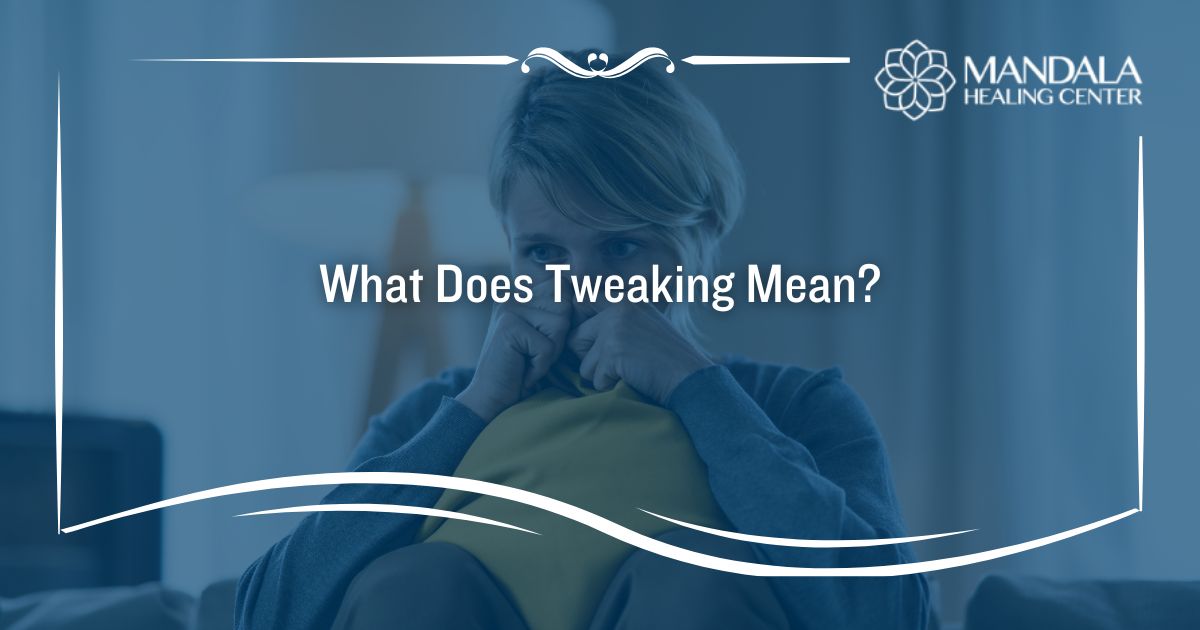
When talking about drug use, a lot of slang terms get tossed around, and it’s not always clear what those words really mean. One of the most intense and often misunderstood is tweaking. If you’ve ever heard the term and found yourself asking, “What is tweaking?,” you’re not alone.
Whether you’re trying to make sense of it for yourself or support someone else, understanding what tweaking really means can make a positive difference. By learning what it looks like, what causes it, and how to respond, you can better recognize the signs, respond with empathy, and seek help early on.
In this article, we’ll discuss:
- The meaning of tweaking and what causes it
- The stages of tweaking and how it differs from being high
- What drugs can cause tweaking, and what it looks like
- The dangers of tweaking
- The effects of tweaking on mental health
- What happens after tweaking
- When and how to seek support for tweaking
If you or someone you care for is experiencing an addiction, you don’t have to figure everything out on your own. At the Mandala Healing Center, we provide compassionate support in a safe, comfortable setting. Contact us today to learn more about what our programs entail and which one might be best for your needs.
What Is Tweaking?
Tweaking refers to a physical and psychological state caused by heavy or prolonged stimulant drug use. It’s most often associated with methamphetamine, but can also result from other powerful stimulants like cocaine or synthetic cathinones (bath salts). Someone experiencing tweaking may:
- Stay awake for days at a time
- Fixate on meaningless or tasks (like taking things apart or cleaning obsessively)
- Talk nonstop
- Constantly pace or display erratic movements
- Show hostility, fear, or complete disconnection from reality
- Experience extreme paranoia or hallucinations
- Itch or scratch compulsively, thinking bugs are under their skin
During this state, a person may go without food, water, or sleep for several days. Their behavior might seem disturbing, unpredictable, or even dangerous. However, at the root of it, they’re actually in survival mode. The brain is overloaded with dopamine and other stress chemicals, and the body is running on empty.
Tweaking is not a sign that someone is simply “enjoying” the drug. Instead, it’s usually a terrifying, uncomfortable, and disorienting experience, and even a cry for help.
What Causes Someone to Tweak?
Tweaking usually happens after a long period of stimulant use, often as part of a binge. This binge can last anywhere from 12 hours to several days. As the user continues taking the drug to maintain their high, the body slowly loses its ability to process toxic levels of the drug. As the need for sleep and food is ignored, the brain becomes overstimulated and chemically imbalanced, which causes paranoia to creep in. Tweaking can be experienced more than once, with common causes including:
- Repeated dosing without any rest
- Dehydration and lack of nutrition
- Underlying trauma or mental health disorders
- Mixing substances, especially other stimulants or hallucinogens
- High-purity drugs or contamination with other stimulants
- Past tweaking episodes that have changed the brain’s stress response
People who struggle with chronic meth use may experience tweaking more often and more severely over time, even if they start to take it in smaller doses.
[elementor-template id=”173075″]
What Does Tweaking Look Like?
Tweaking doesn’t look the same for everyone, but certain signs are common. These can show up in how someone moves, speaks, thinks, and interacts with the world around them. In many cases, the person might not even realize their behavior has changed. Common signs include:
- Constant pacing, twitching, or jerky movements
- Reacting to things that aren’t there, such as voices or shadows
- Refusing food, water, or sleep for extended periods
- Sweating excessively or appearing extremely dehydrated
- Avoiding eye contact or becoming unusually aggressive
- Speaking quickly or incoherently, sometimes jumping between topics
- Obsessing over repetitive tasks, like cleaning the same area over and over again
- Checking windows, locks, or looking over their shoulder constantly
- Developing bloody scabs from constant picking at their skin (believing bugs are crawling underneath)
These behaviors may not always raise red flags at first. They can slowly build with time, especially during a binge. What starts as extra energy or excitement can quickly turn into fear, confusion, or even psychosis.
Stages of a Tweaking Cycle
Tweaking is often part of a longer cycle of drug use that follows a predictable pattern. This cycle can last anywhere from several hours to several days, depending on how much of the drug is used and how the person’s body responds. It typically looks like this:
- The Rush: The intense and immediate high after the drug is taken. This phase only lasts a few minutes and is often described as euphoric.
- The High: The person feels extremely energized, confident, and focused. This phase can last several hours and may involve non-stop talking or activity.
- The Binge: The person takes more of the drug to keep the high going and doesn’t eat, sleep, or drink. Paranoia or anxiety may begin to build.
- The Tweaking Phase: The high wears off, but the person is still awake and overstimulated. Paranoia takes over as their thoughts become disorganized and their behavior turns obsessive.
- The Crash: This phase forces the body to rest. The person may sleep for one to three days straight and wake up feeling disoriented, depressed, and emotionally numb.
- The Craving: Once the person wakes up, their cravings return. The desire to use the drug again is often intense, especially as a way to avoid the emotional and physical pain of the crash.
Without support or intervention, this cycle can repeat over and over, making it harder for the person to break free from the addiction.
Tweaking vs. Being High: What’s the Difference?
At first, tweaking and being high might seem like the same thing. Both happen after using stimulant drugs, and both can cause increased energy, fast talking, or strange behavior. However, being high often starts with a rush of euphoria or confidence, while tweaking occurs when the brain and body can’t handle the effects of the drug anymore. Here’s a breakdown of the differences:
Being high on stimulants may involve:
- A heightened sense of confidence or motivation
- Increased energy and activity
- Feeling on top of the world or unusually focused
- Short-term appetite suppression and a reduced need for sleep
- Talking more than usual
In contrast, tweaking means:
- The drug’s high has worn off, but the person can’t relax or sleep
- Their speech might not make sense or jump from one topic to another
- They might seem totally disconnected from what’s happening around them or get stuck focusing on something that doesn’t matter
- They may start to feel scared, paranoid, or see and hear things that aren’t real
- Their behavior can become repetitive, unpredictable, or aggressive
Tweaking isn’t simply a stronger high, but a sign that something is seriously wrong.
What Drugs Can Cause Tweaking?
While most people associate tweaking with methamphetamine, it’s not the only substance that can cause this dangerous state. Tweaking results from excessive or prolonged stimulation of the central nervous system, so any powerful stimulant drug (especially when misused) can push the brain and body past their limits.
People may tweak after using a single type of drug in large quantities or by combining multiple stimulants. The risk is especially high for those who go on multi-day binges, take repeated doses without rest, or have preexisting mental health conditions.
Here’s a breakdown of the most common drugs linked to tweaking, how they work, and why they can be risky:
Methamphetamine
- A powerful and highly addictive synthetic stimulant that affects the central nervous system
- Usually sold as a white or clear crystal and can be smoked, snorted, swallowed, or injected
- Often used in binges that last multiple days
- Effects can last 8 to 24 hours per dose
- Floods the brain with dopamine, creating intense euphoria, confidence, and energy
- Suppresses appetite, sleep, and awareness of physical needs
Why it can lead to tweaking:
Because meth is so potent and long-lasting, people often take more before the original effects wear off. Eventually, this leads to extreme sleep deprivation, emotional dysregulation, and compulsive behaviors. The brain becomes overstimulated and chemically unbalanced, leading to paranoia, hallucinations, and obsessive thoughts.
Cocaine
- A fast-acting stimulant derived from the coca plant
- Usually snorted in powder form or smoked as crack cocaine
- Typically used in social settings
- Produces a short-lived high (15–30 minutes)
- Increases energy, alertness, and sociability
- Intensifies confidence and impulsivity
- Can cause irritability and anxiety during the comedown
Why it can lead to tweaking:
Because the high is so brief, users often take cocaine repeatedly over hours or days to maintain the feeling. This can lead to a vicious cycle that causes overstimulation, restlessness, insomnia, and eventually the same paranoia and agitation seen in tweaking. This is particularly true when the cocaine is combined with alcohol or other stimulants.
Synthetic cathinones (bath salts)
- Man-made drugs chemically related to cathinone, a substance from the khat plant
- Often sold in powder form and labeled misleadingly as “plant food” or “not for human consumption”
- Usually snorted, smoked, or swallowed
- Known for causing hallucinations, paranoia, and extreme agitation
- Some versions are significantly more potent than meth or cocaine
Why it can lead to tweaking:
These synthetic drugs can produce severe psychological effects very quickly, including violent outbursts, psychosis, and disorganized thinking. Because their chemical makeup is unregulated and unpredictable, users may enter a dangerous mental state similar to or worse than meth-induced tweaking, sometimes after just one use.
Prescription stimulants (like Adderall, Ritalin, Vyvanse, etc.)
- Prescription medications used to treat ADHD and narcolepsy
- Amphetamine-based stimulants that increase dopamine and norepinephrine levels in the brain
- Usually taken orally
- Misuse typically involves crushing and snorting pills or taking high doses
- Can improve alertness, focus, and mood
- May cause racing thoughts, loss of appetite, and insomnia when misused
Why it can lead to tweaking:
When taken outside of prescribed limits, especially in large doses or without medical supervision, prescription stimulants can mimic the effects of meth. Bingeing on them, like during an all-night study session or party, can lead to obsessive thoughts, the jitters, and emotional instability that eventually resemble a full tweaking episode.
Designer drugs or unknown street substances
- Substances marketed as ecstasy (MDMA), molly, flakka, or “legal highs”
- Common in party or rave scenes
- May be consumed as pills, powders, or crystals
- Effects vary widely depending on the ingredients
- Users often have no idea what they’re actually taking
Why it can lead to tweaking:
When people unknowingly consume mixed stimulants, the risk of overstimulation goes up significantly. Tweaking can happen when the combination of substances causes hallucinations, panic, and erratic behavior. These drugs may contain more than one stimulant, which can make the side effects much stronger and last longer than the person expected.
The Dangers of Tweaking
Tweaking is more than a reaction to drug use. It’s a sign that someone is in a state of extreme physical and emotional distress. When a person reaches this point, their nervous system is overwhelmed, their mind is overstimulated, and their body is exhausted. It can be frightening, not only for the person experiencing it but for those who care about them.
Some of the most immediate risks associated with tweaking include:
- Unintended injuries from restlessness, confusion, or lack of coordination
- Dehydration or overheating from not eating, drinking, or sleeping
- Self-harm or aggressive behavior caused by paranoia or fear
- Risk of overdose, especially if the person keeps using to try and feel better
Over time, repeated episodes can cause long-term effects. The brain can become less able to manage stress or regulate emotions, which can create ongoing anxiety, depression, or trouble thinking clearly. Some people develop long-term psychosis, where the paranoia or hallucinations continue even after the drug wears off.
Tweaking and Mental Health
Tweaking can take a major toll on a person’s mental and emotional well-being. Even after the drug leaves the person’s body, the effects on the mind can stick around for days, or even longer. While the physical signs are more visible, the psychological impact can be just as severe.
Many people who experience tweaking describe feeling completely out of control. Some feel consumed by fear or paranoia, while others feel emotionally numb or disconnected from reality. For people already living with anxiety, trauma, or undiagnosed mental health conditions, tweaking can hit especially hard.
One of the most difficult parts of tweaking is how quickly it can unravel a person’s sense of safety and trust. The brain goes into overdrive, and even familiar people or places can start to feel threatening. Some people become hypervigilant and jumpy, reacting to small sounds or movements as if they were signs of danger. Others shut down, struggling to regain a sense of normalcy even after the drug is gone.
The emotional weight of tweaking can be heavy. Feelings of shame, guilt, and hopelessness are common, especially if they’ve hurt someone, damaged close relationships, or don’t remember what they did. Left untreated, this emotional strain can lead to isolation, panic disorders, or even suicidal thinking.
These feelings can also make it hard to ask for help. Some people worry they’ll be judged or that things will never get better. However, with the right kind of care, many people are able to gradually improve their mental well-being, which can also help them quit the drug for good.
What Happens After Tweaking?
When the drug finally wears off, the body starts to crash. This is sometimes called the “comedown” and it can be just as dangerous as the tweaking phase itself. Common symptoms of a crash include both physical and mental symptoms like:
- Intense hunger or thirst
- Strong cravings for the drug
- Severe depression
- Muscle pain, jaw soreness, or headaches
- Sleeping for days
- Hopelessness or suicidal thoughts
- Extreme exhaustion
This period is often when people relapse, not necessarily to get high again, but to escape the discomfort of the withdrawal symptoms that come with the crash.
Treatment for Addiction and Tweaking
Getting treatment after a tweaking episode means caring for the entire individual. Stimulants like meth or cocaine affect a person’s physical health, mental wellness, emotional stability, and relationships. An effective treatment plan will focus on each of these areas, offering medical attention, therapeutic support, and other tools to promote healing.
There are several types of treatments available, each designed to meet people at different stages of recovery. The right program depends on how severe the drug use is, whether there are co-occurring mental health disorders, and the level of support available at home.
Common options include:
- Inpatient or Residential Treatment: This is the most intensive level of care, where someone lives at the treatment facility for a certain period (usually 30 to 90 days). It’s best for people who are experiencing frequent tweaking episodes, serious mental health symptoms, or who need to be removed from daily triggers or an unsafe/unstable home environment.
- Partial Hospitalization Program (PHP): PHPs offer full-day treatment (typically five days per week) while allowing the person to return home at night. These programs are useful for those who don’t need 24/7 supervision but still require a consistent, high level of support.
- Intensive Outpatient Program (IOP): IOPs provide therapy and other resources multiple days per week while allowing the individual to continue living at home. This type of care is meant for people who are medically stable and have supportive home environments but still need help managing cravings, triggers, and other aspects of recovery.
- Outpatient Program (OP): Outpatient programs usually involve going to one to three sessions per week while getting to live at home. They’re often used as a step down from more intensive care and are best suited for those in later stages of recovery. Those with mild to moderate stimulant misuse who need flexibility and ongoing accountability can benefit from these programs.
Regardless of the level of care, most treatment programs share a few essential components. These often include a combination of therapy, support groups, skill-building activities, and medical care. Together, these tools help individuals better understand their behaviors, manage their symptoms, and begin working toward a more stable, healthier life. A typical day in treatment may include:
- Individual therapy: One-on-one sessions help people uncover the root of their drug use and develop strategies to manage triggers and avoid relapse.
- Group therapy: In group therapy, participants can share their experiences, give and receive encouragement, and be held accountable by their peers.
- Medication management: A doctor or psychiatrist evaluates whether medication could help improve sleep, stabilize the person’s mood, and support their overall mental health. They will continue to make adjustments throughout treatment to ensure it’s safe and effective.
- Family therapy: These sessions involve loved ones to rebuild trust, improve communication, and address how the person’s addiction has affected the entire family.
- Psychoeducation: People learn how stimulant use impacts the brain, what often leads to relapse, and how to create a solid recovery plan.
- Skill-building classes: These classes teach practical tools like handling stress, setting boundaries, and managing emotions in daily life. They may also assist with job readiness, communication skills, time management, and nutrition and exercise plans.
- Aftercare planning: Before leaving treatment, each person works with their care team to create a personalized plan for ongoing support. This may include therapy, support groups, a relapse prevention plan, and help with housing, work, or education.
The best treatment centers focus on individualized plans that address each person’s specific needs, goals, and challenges. For someone recovering from tweaking, personalized care means having a team that listens, changes the treatment plan as necessary, and helps them heal physically, mentally, and emotionally.
When to Seek Help for Tweaking
There’s no reason to wait for things to get worse. If you or someone you know is tweaking or showing early signs of stimulant misuse, now is always the right time to reach out. Other reasons to seek professional help include:
- Going several days without sleep or rest
- Feeling out of control
- Seeing or hearing things that aren’t there
- Struggling with depression, anxiety, or hopelessness
- Falling behind at work, school, or in important relationships
- Repeating cycles of bingeing, crashing, and using again
- Feeling paranoid, fearful, or out of touch with reality
Even if things don’t seem bad enough, reaching out early can make a huge difference.
Addressing Addiction at Mandala Healing Center
Tweaking is a deeply misunderstood experience, often surrounded by stigma, shame, and fear. Underneath it is a person in pain, someone whose brain and body are struggling while trying to escape something much deeper. Whether you’re experiencing addiction or watching someone you love go through it, know that help is available.
At Mandala Healing Center, our staff is trained to see beyond the behaviors. We recognize the exhaustion and confusion that often come with stimulant use, and we are here to meet each person with compassion and understanding. Reach out whenever you feel ready to take the next step in your healing journey.
Resources:
- https://www.dea.gov/factsheets/methamphetamine
- https://www.dea.gov/factsheets/cocaine
- https://pubmed.ncbi.nlm.nih.gov/38299647/
- https://www.ncbi.nlm.nih.gov/books/NBK482368/
- https://www.sciencedirect.com/science/article/abs/pii/016501739490012/
Learn more about residential addiction treatment.
Previous in this series: What is Sherm Understanding the Dangers of Smoking Wet · Next: What does Getting Cross Faded Mean


-

Does Insurance Cover Drug and Alcohol Rehab in Florida?
October 13, 2026
-

Signs Your Drinking May Be Becoming a Problem
October 8, 2026
-

How to Get Into Rehab Quickly in Florida
September 30, 2026
-

Can You Go to Rehab Without Detoxing First?
September 24, 2026
-

Can You Become Addicted to Alcohol Without Drinking Every Day?
September 19, 2026