

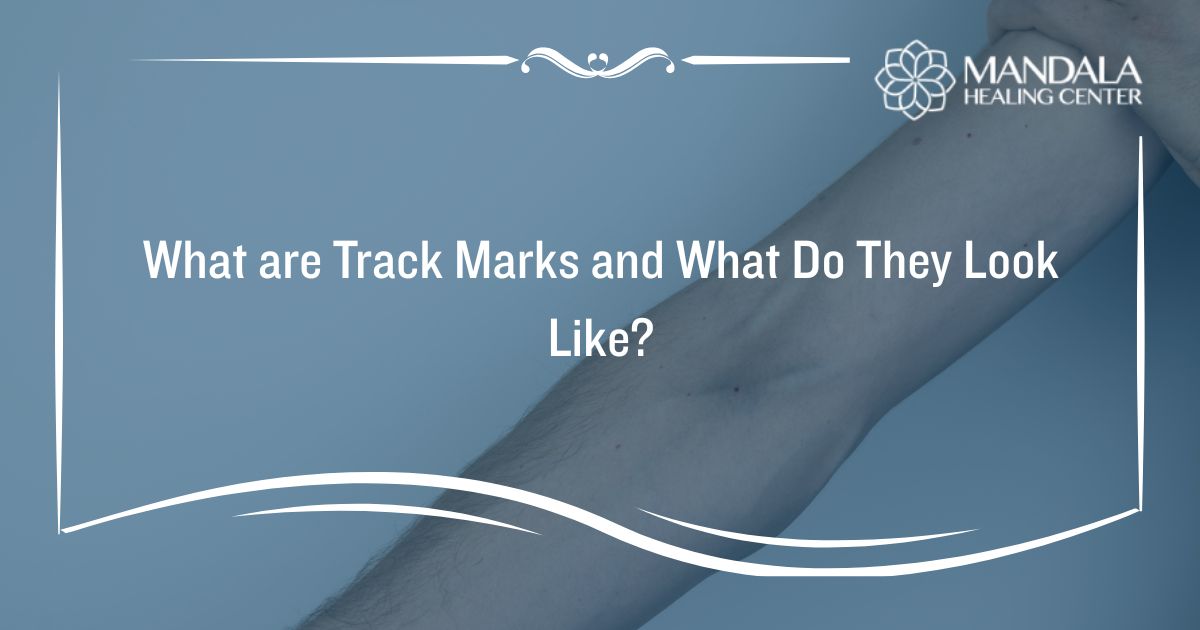
For many people struggling with substance use disorder, track marks are one of the most visible physical signs of intravenous drug use. These marks can tell a silent story of pain, dependency, and isolation. But they can also be a starting point—a sign that help is needed and that addiction treatment can make a difference.
In this article, we’ll explain what track marks are, what they look like, how they form, and how they relate to IV drug use. We’ll also discuss ways to heal track marks, how to hide track marks, and why professional care is crucial for recovery.
Understanding Track Marks
Track marks are the puncture wounds, scars, or discolorations left behind on the skin after repeated injections of injection drugs into the veins. These marks are most commonly found on the arms, but can also appear on the legs, hands, neck, or even feet, especially when the more accessible veins become damaged.
Over time, injecting drugs intravenously can cause serious harm to the vein and surrounding tissues, leading to collapsed veins, scar tissue, and visible marks that don’t easily fade.
What Do Track Marks Look Like?
Track marks can vary in appearance depending on how often a person uses drugs, what substances are injected, and how well the injection site is cared for.
Here is an overview of what track marks might look like:
- Fresh track marks often appear as small puncture wounds or red dots
- Old track marks may be darker, scarred over, or surrounded by discolored skin
- Collapsed veins may create a sunken appearance or thick scar tissue
- Bruising or hardened areas from poor blood flow and tissue damage
- Injection marks may look like scabs, sores, or open wounds if the site becomes infected
Because people hide track marks, you might not notice them unless you’re looking closely or the person wears long sleeves even in hot weather.
Common Injection Sites
While the arm veins are the most common site, injecting drugs into the same site over and over can quickly damage the veins. As a result, users may begin injecting in riskier areas, such as:
- Legs or thighs
- Feet (feet track marks are often more difficult to detect)
- Neck
- Groin
Changing or rotating injection sites is sometimes used as a form of harm reduction, but it still carries significant health risks.
Why Do Track Marks Form?
Track marks form for several reasons, especially with IV drug abuse. Repeated injections in the same spot weaken the skin and veins. Using dirty needles increases the risk of injection site reactions, infection, or abscesses, and poor technique can damage veins and promote scar tissue buildup. Lack of proper hygiene can worsen puncture marks and create long-lasting wounds.
Substances like heroin, meth, and other street drugs often have additives or impurities that irritate the drug injection site and damage tissues over time, especially with heroin track marks.
Can Track Marks Go Away?
One of the most common questions is: Do track marks go away?
The answer depends on several factors, including how long the person has been using, the severity of the vein damage, and whether the person has stopped using drugs. While some fresh track marks may fade with time, many old track marks turn into permanent track mark scars.
However, with proper care and the support of medical professionals, it is possible to heal track marks, reduce scarring, and improve physical health.
How to Heal Track Marks
If you or someone you love is in recovery, getting rid of track marks may be part of the emotional and physical healing process. Here are some ways to support the healing process:
Stop IV Drug Use
The first and most crucial step is to stop injecting drugs. Continued use will only worsen needle marks and vein damage.
Seek Professional Treatment
A professional treatment program can help address not just the addiction but also the physical effects of drug use. IV drug treatment programs can also provide access to medical treatment for infections, abscesses, and other complications.
Promote Blood Flow
Improving blood flow to damaged areas helps the skin and veins heal. Staying hydrated, gentle massage (if approved by a doctor), and avoiding tight clothing can help.
Use Healing Creams or Ointments
Some topical treatments may reduce inflammation, fade discoloration, or soften scar tissue. Always check with a healthcare provider before starting new treatments.
Avoid the Same Site
If someone is still using, it’s crucial to avoid track marks worsening by rotating injection sites—although the better solution is always to seek help and stop using altogether.
How to Hide Track Marks
While track marks can’t always be erased, some people may want to hide track marks—especially in professional or family settings.
Here are a few commonly used methods:
- Wearing long sleeves or layers, even in warm weather
- Using makeup or concealers to cover visible track marks
- Using bandages or wraps as a cover-up
- Avoiding places where other signs of drug use might be noticed
It’s important to note that these methods don’t treat the issue—they only hide the symptoms of a deeper problem. If you notice track marks on a loved one, it could be time for a compassionate conversation and support.
Other Signs of IV Drug Use
Visible track marks are one sign, but they’re not the only one. If you’re worried someone may be struggling with IV drug abuse, look for:
- Frequent wearing of long sleeves
- Unexplained bruises, abscesses, or sores
- Dramatic changes in mood, energy, or behavior
- Disappearing for long periods or secrecy
- Presence of syringes, dirty needles, or spoons
- You might also notice physical health problems like infections, fever, or signs of withdrawal.




The Risks of Ignoring Track Marks
Ignoring drug track marks can lead to serious consequences, such as:
- Infections that spread into the bloodstream (sepsis)
- Collapsed veins that make future medical care difficult
- Permanent scarring
- Risk of HIV, hepatitis, or other diseases from shared or dirty needles
- Emotional isolation or shame
In many cases, immediate medical treatment is needed—not just for the addiction but for the serious physical toll it takes.
Compassionate Addiction Treatment Options
The good news is that track marks don’t have to be the end of the story. With the right help, people can begin their recovery journey, heal emotionally and physically, and rebuild their lives.
IV drug treatment programs offer:
- Medical detox to manage withdrawal safely
- Access to medical professionals who can treat wounds and infections
- Cognitive behavioral therapy (CBT) to address underlying thoughts and triggers
- Dialectical behavior therapy (DBT) for emotional regulation
- Long-term inpatient and outpatient treatment programs tailored to the person’s needs
- Support for co-occurring disorders like alcohol use disorder or depression
Most importantly, evidence-based treatment helps break the cycle of substance abuse and creates real, lasting change.
You Are Not Alone
If you’re struggling with heroin addiction, injection drug use, or any other form of drug abuse, you are not alone. There is help, and there is hope. Whether you’re ready to enter a treatment center today or just thinking about what recovery might look like, the first step is to talk to someone.
No matter how visible your track marks are—whether they’re fresh, old, or hidden beneath long sleeves—they do not define who you are. Healing is possible.
Find Treatment and Support
Track marks are more than just injection marks—they’re physical reminders of the toll addiction takes. But they’re also a signal that someone may need help. By understanding what track marks look like, how to heal track marks, and why professional treatment matters, we can support ourselves and others on the path to recovery.
If you or someone you love is showing signs of IV drug abuse, reach out to a treatment center today. The recovery journey begins with one brave step—and that step can start right now.
Find support, treatment, and resources to overcome substance abuse at the Mandala Healing Center. Learn about your treatment programs or schedule an intake appointment by contacting us today.
Frequently Asked Questions (FAQ) About Track Marks
1. Are track marks a definite sign of drug use?
Not always. While track marks are commonly associated with intravenous drug use, some medical conditions or treatments (such as frequent blood draws or insulin injections) can also leave similar marks. However, in the context of other behavioral or physical signs, visible track marks may indicate a pattern of substance abuse.
2. How can I talk to a loved one if I suspect they are hiding track marks?
Approach the conversation with empathy and without judgment. Focus on your concern for their well-being rather than accusing them of drug use. For example, you might say, “I’ve noticed some changes and I’m worried about you—can we talk?” Offer to help them seek support rather than forcing them into treatment.
3. Is it dangerous to inject into areas like the neck or groin?
Yes, injecting into high-risk areas like the neck or groin significantly increases the risk of severe complications, including blood clots, nerve damage, infection, and even stroke. These sites are often used when other veins are damaged, and they signal an urgent need for medical and addiction treatment.
4. What’s the difference between a collapsed vein and a scarred vein?
A collapsed vein occurs when the vein walls cave in due to repeated trauma or inflammation, making it unusable for future injections or even medical IVs. A scarred vein, on the other hand, has hardened tissue from repeated healing, which can limit blood flow but may still be partially functional. Both are signs of advanced damage from IV drug use.
5. Can harm reduction strategies really prevent track marks?
Harm reduction techniques, such as using clean needles, rotating injection sites, and proper injection practices, can lower the risk of severe track marks and infections. However, they don’t eliminate the physical dangers of IV drug use. While harm reduction can be a short-term safety measure, long-term recovery and treatment are the safest paths forward.
6. Are there treatments specifically for the skin and vein damage caused by drug injection?
Yes, medical professionals can provide wound care, treat infections, and recommend therapies to promote skin healing. In some cases, dermatological treatments or minor surgical procedures may help reduce scarring. These services are often available through addiction treatment centers that offer integrated medical and behavioral care.
Sources





-

Can You Mix Adderall and Alcohol?
April 2, 2026
-
7 Reasons To Choose Palm Beach County for Addiction Treatment
March 31, 2026
-
How to Choose a Substance Abuse Counselor in Palm Beach County
March 31, 2026
-
PHCS PPO Network Rehab Coverage for Drug & Alcohol Treatment
March 30, 2026
-
What to Expect at a Long-Term Addiction Treatment Program in South Florida
March 25, 2026