
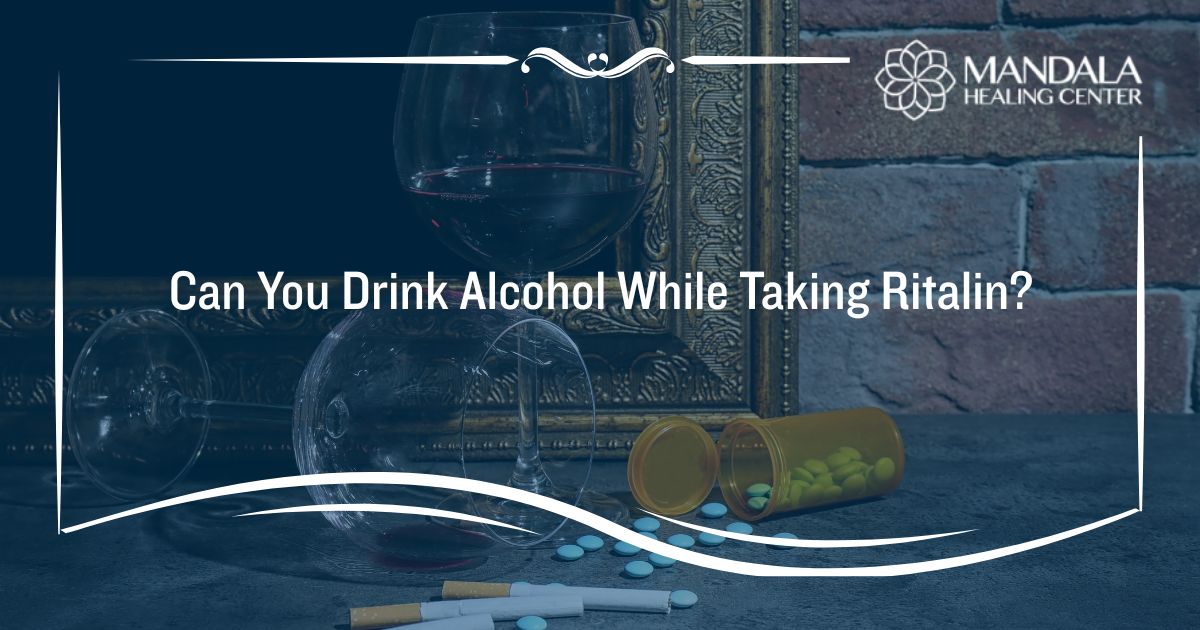
For many people, Ritalin (a prescription stimulant) and alcohol (a widely used depressant) may seem like unrelated substances. However, when it comes to their effects on the central nervous system and overall health risks, the two couldn’t be more different. Understanding how these substances interact is especially important for those dealing with substance use disorders, mental health issues, or concerns about mixing Ritalin and alcohol.
In this article, we’ll explore the effects of each substance, the dangers of combining Ritalin and alcohol, potential ritalin overdose symptoms, and safer paths toward long-term recovery.
Understanding Ritalin and Its Uses
Ritalin, the brand name for methylphenidate, is commonly prescribed to treat attention deficit hyperactivity disorder (ADHD) and, in some cases, narcolepsy. By increasing dopamine and norepinephrine levels in the brain, Ritalin helps individuals control their impulses and enhance cognitive performance.
When taken as prescribed, Ritalin can improve focus and reduce impulse control problems. However, ritalin abuse—using the drug without medical supervision or in larger doses than prescribed—has become a growing issue, particularly among college students and young people seeking enhanced cognitive function or using it for recreational purposes.
The Stimulant Effects of Ritalin
Ritalin is a stimulant, meaning it increases heart rate, blood pressure, and body temperature while boosting alertness. When misused, higher doses can overstimulate the central nervous system, causing sleep disturbances and other side effects. It can lead to blurred vision and reduced cognitive performance.
Ritalin misuse may also trigger dangerous ritalin overdose symptoms, such as rapid heartbeat, tremors, and confusion. An overuse of stimulants can also put extra strain on the cardiovascular system, increasing the risk of heart attack or sudden death.
Due to these potential risks, it’s crucial to take Ritalin only under the supervision of a healthcare professional.
Alcohol and Its Effects on the Body
Alcohol is a depressant that slows activity in the central nervous system, producing sedative effects and reducing inhibition. Occasional alcohol consumption can seem harmless, but alcohol use—especially in high amounts—can cause serious health issues, including:
- Impaired cognitive function and decision-making
- Increased breathing rate and decreased body temperature
- Damage to vital organs such as the liver, potentially leading to liver disease or liver damage
- Elevated risk of alcohol poisoning, particularly when people drink alcohol to excess
- Long-term addiction and becoming physically dependent on alcohol
Alcohol also tends to mask symptoms of other substances, creating a dangerous combination when used with prescription drugs like Ritalin.
The Dangerous Combination: Mixing Ritalin and Alcohol
Many people underestimate the health risks of mixing Ritalin and alcohol, assuming the stimulant will balance out the depressant. In reality, this creates a high-risk scenario that potentially leads to severe health issues.
Masking Effects
Because Ritalin masks alcohol’s sedative effects, people may drink much more than they realize, raising the chance of alcohol poisoning.
Cardiovascular Complications
The combination overstimulates the heart and blood vessels, increasing risks of heart attack, irregular heartbeat, and other cardiovascular complications.
Impaired Cognitive Function
Mixing the two substances can significantly impair cognitive function, reaction times, and decision-making, leading to accidents or greater risk behaviors.
Dangerous Levels of Overdose
Both substances strain vital organs, particularly the liver and heart, which can lead to unsafe levels of toxicity.
Because alcohol increases the unpredictable effects of Ritalin, this dangerous combination should be avoided entirely.
Who Is Most at Risk?
Certain groups face an increased risk when mixing Ritalin and alcohol, including college students who take Ritalin for recreational purposes or to “study longer” while attending parties where they drink alcohol, and young people experimenting with self-medication for mental health or academic pressure. Those already struggling with substance misuse or substance use disorders also face a higher risk of Ritalin misuse.
For these individuals, what starts as occasional alcohol consumption or taking Ritalin for focus can quickly escalate into ritalin addiction, alcohol dependency, and other mental health issues.
Health Risks of Ritalin and Alcohol Misuse
The combination of Ritalin and alcohol can have wide-reaching consequences for overall health, including:
- Liver damage and increased risk of liver disease
- Breathing rate irregularities and reduced oxygen supply to vital organs
- Increased risk of sleep disturbances, impulse control problems, and emotional instability
- Potential progression to harder drugs due to reduced inhibition and psychological aspects of addiction
- More severe withdrawal symptoms when stopping either or both Ritalin and alcohol
These outcomes can make long-term recovery more challenging and reinforce the cycle of substance abuse.
Signs of Ritalin or Alcohol Misuse
Recognizing early symptoms of misuse can be lifesaving. Some warning signs include:
- Needing larger doses of Ritalin to achieve the same effects
- Using Ritalin or alcohol for recreational purposes rather than prescribed or social contexts
- Experiencing sleep disturbances, blurred vision, or a rapid heartbeat
- Hiding consumption habits from loved ones
- Experiencing withdrawal symptoms, such as anxiety, fatigue, or irritability
If these signs sound familiar, seeking help from medical professionals and support groups can make a significant difference.
Seeking Help and Finding Support
Recovering from ritalin addiction, alcohol dependency, or the misuse of other substances is possible with the right help. Healthcare professionals and treatment centers offer tailored programs that address both the physical and psychological aspects of recovery.
Many treatment centers offer confidential evaluations to help determine your needs. An assessment can help identify potential substance abuse issues and guide treatment.
Attending support groups may also help people overcome Ritalin misuse. Building a network of peers can provide encouragement and accountability during long-term recovery.
Finally, therapy for mental health can help to address underlying mental health issues and stressors. This may reduce the need for self-medication and promote healthier coping mechanisms.
Choosing to seek help is an act of courage. Whether you’re struggling with ritalin abuse, alcohol dependency, or both, there are compassionate professionals ready to guide you toward a healthier future. By addressing the root causes of substance misuse, developing better coping skills, and building supportive relationships, lasting recovery is possible.
Find Treatment and Support
When it comes to ritalin vs alcohol, both substances affect the central nervous system in dramatically different ways. However, mixing Ritalin and alcohol creates a dangerous combination that can lead to health issues, overdose, and long-term consequences for your overall health.
If you or someone you love is struggling with addiction, ritalin abuse, or alcohol use, reaching out to a healthcare professional or seeking a free addiction assessment is the safest first step toward recovery. You don’t have to face this alone—help is available, and long-term recovery is within reach.
Find the treatment, resources, and support you need to overcome substance abuse at the Mandala Healing Center. Learn about our programs, ask questions, or schedule an intake appointment by contacting our specialists today.
Frequently Asked Questions (FAQ)
1. Can Ritalin cause long-term changes to the brain?
Yes. Prolonged ritalin abuse—especially at higher doses—can alter dopamine pathways, potentially impacting mood regulation, impulse control, and reward processing. Over time, this can increase vulnerability to substance use disorders and make stopping the medication without medical guidance more challenging.
2. Why do some people combine Ritalin and alcohol despite the risks?
For some, combining these two substances happens unintentionally, such as taking prescribed Ritalin and later deciding to drink alcohol. Others intentionally mix them to “balance” stimulant effects with alcohol’s sedative effects or to prolong partying. Unfortunately, this practice raises the greater risk of overdose, dependency, and harm to vital organs.
3. Are there safer alternatives to using Ritalin for cognitive performance?
If you’re taking Ritalin primarily to enhance cognitive performance or focus, consider consulting a healthcare professional about alternative options. Options may include non-stimulant ADHD medications, behavioral therapy, mindfulness strategies, or structured mental health support. Using Ritalin without medical oversight is risky and can lead to ritalin addiction or unintended health issues.
4. How can I tell if I’ve developed a dependency on Ritalin or alcohol?
Signs of becoming physically dependent include needing larger doses to feel the same effects, experiencing cravings, and having withdrawal symptoms when not using the substance. Emotional dependence—such as feeling unable to control impulses without Ritalin or alcohol—is also a red flag. If you notice these patterns, seeking help early can reduce the dangerous effects and improve your overall health.
5. What should I do if I suspect someone has alcohol poisoning or a Ritalin overdose?
Both situations require immediate action. If someone shows ritalin overdose symptoms (e.g., rapid heartbeat, confusion, or extreme agitation) or signs of alcohol poisoning (e.g., vomiting, irregular breathing, or unconsciousness), call emergency services right away. Prompt medical attention can prevent severe damage to the central nervous system and vital organs.
6. How can treatment centers help with combined substance misuse?
Specialized addiction treatment centers offer integrated care for people misusing both Ritalin and alcohol. Programs typically include detox supervision, therapy addressing psychological aspects, and aftercare planning with support groups. A free addiction assessment can determine the right level of care to start your journey toward long-term recovery.
Resources
-

Can You Mix Adderall and Alcohol?
April 2, 2026
-
7 Reasons To Choose Palm Beach County for Addiction Treatment
March 31, 2026
-
How to Choose a Substance Abuse Counselor in Palm Beach County
March 31, 2026
-
PHCS PPO Network Rehab Coverage for Drug & Alcohol Treatment
March 30, 2026
-
What to Expect at a Long-Term Addiction Treatment Program in South Florida
March 25, 2026