 Skip to the content

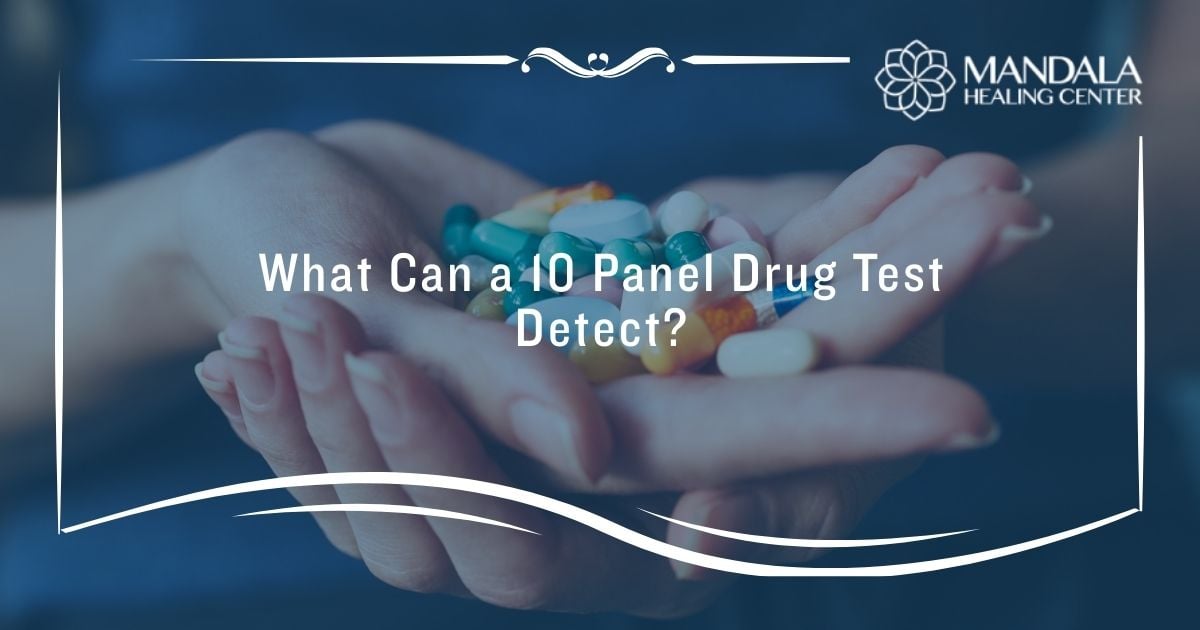
A 10-panel drug test is one of the most widely used forms of drug testing in the United States. It is commonly used by employers, courts, medical providers, and government agencies to screen for drug use. If you are preparing for a urine drug test, applying for a job, or complying with a doctor’s order, understanding what a 10-panel drug test can detect is essential.
This guide explains what substances are included, how the testing process works, detection times, and what your test results may mean.
What Is a 10 Panel Drug Test?
A 10-panel drug test is a type of panel drug test that screens for ten different categories of drugs in a single lab test. It is most commonly performed using urine, although blood, saliva tests, and hair tests can also be used in some settings.
Most employers rely on urine tests because they are cost-effective, non-invasive, and provide reliable results.
The purpose of a 10-panel drug screening is to identify recent use of commonly misused drugs, including both illegal drugs and certain prescription medications that are classified as controlled substances.
10-panel drug tests screen for commonly abused substances, like marijuana, opioids, and amphetamines. There are less extensive drug tests out there, like the 4-panel test.
What Does a 10 Panel Drug Test Detect?
A standard 10-panel drug test detects the presence of the following substances:
1. Marijuana (THC)
Marijuana is one of the most commonly detected drugs in urine tests. The test identifies THC metabolites, which remain in the body after marijuana use.
The detection window for THC is between 1 and 3 days for occasional users and up to 30 days or longer for heavy users.
Despite legalization in some states, marijuana remains federally illegal and may still be included in workplace drug testing programs.
2. Cocaine (Including Crack Cocaine)
Cocaine, including crack cocaine, is another drug included in the 10-panel drug screen.
The detection window for cocaine is 2 to 4 days in urine. The test identifies cocaine metabolites rather than the drug itself.
3. Amphetamines
This category includes:
- Amphetamines
- Methamphetamine
Some prescription medications used to treat attention deficit hyperactivity disorder (ADHD) also fall into this category. For example, medications prescribed for attention deficit hyperactivity disorder may trigger a positive result if properly documented.
The detection window for amphetamines is 1 to 3 days.
If you are prescribed amphetamines, the medical review officer will verify your prescription before reporting the final result to employers.
4. Opiates
A 10-panel drug test typically screens for opiates such as:
- Codeine
- Morphine
- Heroin (metabolized to morphine)
Codeine is commonly found in prescription medications used to treat pain or cough. The detection window for opioids is 1 to 3 days.
Because these drugs are controlled substances, proper documentation is required to avoid misinterpretation of positive drug test results.
5. Phencyclidine (PCP)
Phencyclidine, commonly known as angel dust, is a hallucinogenic drug. 10-panel drug tests screen for PCP.
The detection window for PCP is 5 to 7 days. In chronic users, detection times may be longer.
Although less common than other drugs, PCP remains included in most 10-panel drug tests.
6. Benzodiazepines
This group includes medications such as:
- Diazepam
- Alprazolam
- Clonazepam
- Lorazepam
Benzodiazepines are prescribed for anxiety, insomnia, and seizure disorders, but are also frequently misused.
The detection window for benzodiazepines is 3 to 7 days on average, and longer for long-acting medications like diazepam.
7. Barbiturates
Barbiturates are sedative medications that are less commonly prescribed today but may still be detected.
The detection window for barbiturates is 1 to 3 weeks, depending on the specific drug.
8. Methadone
Methadone is used to treat opioid dependence and chronic pain. That said, some people begin abusing it. For this reason, methadone is included in 10-panel drug tests.
The detection window for methadone is 3 to 7 days.
9. Propoxyphene
Though less common today, some 10-panel drug tests still screen for propoxyphene, a pain medication.
10. MDMA (Ecstasy)
MDMA is a synthetic drug with stimulant and hallucinogenic effects. It is commonly abused in the rave and club scene. 10-panel drug tests will determine if you have MDMA in your system.
The detection window for Molly is between 1 and 3 days.
How the Urine Drug Testing Process Works
Understanding the sample collection process can help you prepare and avoid mistakes.
Step 1: Sample Collection
You will provide a urine sample in a designated collection area. The technician will:
- Provide a sealed collection cup.
- Add blue dye to the toilet bowl to prevent tampering.
- Turn off access to tap water to reduce dilution attempts.
- Check the temperature and appearance of the sample.
In rare cases, observed collections are required to ensure integrity.
Step 2: Laboratory Testing
The urine sample is sent to a certified lab for analysis. The initial test is typically an immunoassay screening. If a positive result occurs, a confirmatory test using gas chromatography/mass spectrometry (GC/MS) is performed.
This two-step process ensures reliable results and reduces the likelihood of false positives.
Step 3: Medical Review Officer Evaluation
A medical review officer (MRO) reviews all non-negative drug test results. The MRO contacts the individual to determine whether prescription medications or over-the-counter medications could explain the findings.
If valid documentation is provided, the test may be reported as a negative drug test result to the employer.
Detection Window and Detection Times
The detection window refers to how long a drug remains detectable in urine after drug use. Detection times vary based on:
- Frequency of use
- Body metabolism
- Hydration
- Type of drug
- Overall health
For example:
- Marijuana: Up to 30 days for chronic users
- Cocaine: 2 to 4 days
- Amphetamines: 1 to 3 days
- Benzodiazepines: Up to 7 days or longer
A 10-panel drug test primarily detects recent use rather than long-term substance abuse history.
What Do Drug Test Results Mean?
Drug test results generally fall into four categories:
Negative Result
A negative result means no drugs were detected above the established cutoff levels. Most employers consider this a pass.
Positive Result
A positive result means the presence of one or more substances was detected. The medical review officer will determine whether the result is due to legitimate prescription use.
Inconclusive Result
An inconclusive result may occur if the sample is invalid, diluted, or contaminated. Additional time and retesting may be required.
Final Result
The final result is reported after confirmation testing and MRO review. This may take several business days, depending on lab processing time.
Can Certain Foods or Medications Cause False Positives?
False positives are uncommon but possible.
Certain foods, such as poppy seeds, may trigger opiate detection in some cases. However, modern testing methods have reduced this risk significantly.
Some medications and over-the-counter products may also interfere with screening tests. This is why confirmatory lab testing and MRO review are critical parts of the process.
Drinking excessive water, adding other substances, or attempting to dilute the sample with tap water can result in invalid or rejected tests. Collection procedures are designed to prevent tampering.
Why Employers Use 10 Panel Drug Testing
Many employers implement workplace drug testing programs to maintain a drug-free workplace. Industries such as transportation, healthcare, construction, and government often require routine testing.
Workplace drug testing is intended to reduce safety risks, lower liability, and promote productivity.
Most employers use the 10-panel drug test because it covers a broad range of commonly misused drugs while remaining cost-effective.
Is Alcohol Included in a 10 Panel Drug Test?
Standard 10-panel drug tests do not typically include alcohol. Alcohol testing is usually performed separately using breath, blood, or urine analysis when required.
Preparing for a 10 Panel Drug Test
If you are scheduled for a test:
- Bring documentation for any prescription medications.
- Follow all instructions provided.
- Do not attempt to alter the urine sample.
- Allow sufficient time for the process.
Trying to manipulate test results often leads to invalid samples and further investigation.
Get Connected to Professional Addiction Treatment
A 10-panel drug test is a comprehensive screening tool designed to detect a wide range of drugs, including marijuana, cocaine, amphetamines, opiates like codeine, benzodiazepines such as diazepam, and phencyclidine (angel dust), among others.
The process is structured to ensure accuracy, from controlled sample collection procedures to confirmatory lab analysis and review by a medical review officer. Detection windows vary, but most substances are identifiable within a few days of recent use.
Whether required by a doctor’s order, court system, or workplace drug testing program, understanding how a 10-panel drug test works can help you prepare and interpret your test results with confidence.
If you failed a drug test due to a substance use disorder, it’s time to seek help. At the Mandala Healing Center, we can provide you with the tools and support you need to achieve long-term sobriety. Contact us today for more information on how our addiction treatment center works.
Frequently Asked Questions (FAQ)
1. Can a 10-panel drug test detect synthetic or newer designer drugs?
Standard 10-panel drug tests are designed to detect commonly misused drugs and specific controlled substances. They do not typically detect many synthetic or designer drugs, such as synthetic cannabinoids (“K2” or “Spice”) or certain synthetic stimulants, unless those substances are specifically included in an expanded panel.
If an employer or medical provider needs broader screening, they may order an expanded panel drug test that includes additional drugs. Always confirm which substances are included before testing if this is a concern.
2. How accurate is a 10-panel drug test?
When performed by a certified lab using proper procedures, a 10-panel drug test is highly accurate. The combination of initial screening and confirmatory testing significantly reduces the risk of incorrect drug test results.
False positives are uncommon, and false negatives are rare when proper sample collection and handling protocols are followed. In rare cases, improper storage, contamination, or failure to follow procedures can affect reliability. Accredited labs follow strict federal and state guidelines to ensure consistent, reliable results.
3. Can secondhand smoke or environmental exposure cause a positive result?
Under normal circumstances, incidental exposure to drugs, such as secondhand marijuana smoke, is unlikely to produce a positive result on a urine drug test. Cutoff levels are set high enough to avoid triggering positive results from casual or environmental exposure.
However, extreme and prolonged exposure in poorly ventilated areas could theoretically increase risk, though documented cases are rare. If you believe environmental exposure may have influenced your test results, you can raise that concern with the medical review officer.
4. What happens if I refuse to take a 10-panel drug test?
Refusal policies vary depending on the situation. In workplace drug testing, most employers treat refusal to test the same as a positive result. This may lead to withdrawal of a job offer, disciplinary action, or termination.
In court-ordered or probation settings, refusing a drug screening may carry legal consequences. If a test is required under a doctor’s order or regulatory requirement, refusal could impact medical care or professional licensing. Always review the terms provided by the requesting authority before making a decision.
5. Will CBD products affect my 10-panel drug test?
CBD (cannabidiol) products that contain trace amounts of THC may potentially lead to a positive result, depending on the product and frequency of use. While many CBD products are labeled as THC-free, mislabeling and contamination can occur.
Because drug testing detects THC metabolites rather than CBD itself, the risk depends on whether THC is present in the product. If you use CBD products regularly, consider discussing this with a healthcare provider before undergoing drug screening.
6. Can medical conditions affect drug test outcomes?
Certain medical conditions may influence how drugs are metabolized or excreted, which can affect detection times. For example, liver or kidney impairment may slow the elimination of certain substances.
However, medical conditions alone do not typically cause positive drug test results unless drugs or medications are present. If you have a chronic medical condition and are taking prescribed medications, documentation and open communication during the review process are essential to ensure accurate interpretation of your final result.
Learn more about residential addiction treatment.
Previous in this series: 10 Advantages of Residential Addiction Treatment in Palm Beach County · Next: 5 Benefits of a Short Term Addiction Treatment Program


-

Signs Your Drinking May Be Becoming a Problem
October 8, 2026
-

How to Get Into Rehab Quickly in Florida
September 30, 2026
-

Can You Go to Rehab Without Detoxing First?
September 24, 2026
-

Can You Become Addicted to Alcohol Without Drinking Every Day?
September 19, 2026
-

Inpatient vs. Outpatient Rehab: Which One Is Right for You?
September 14, 2026