
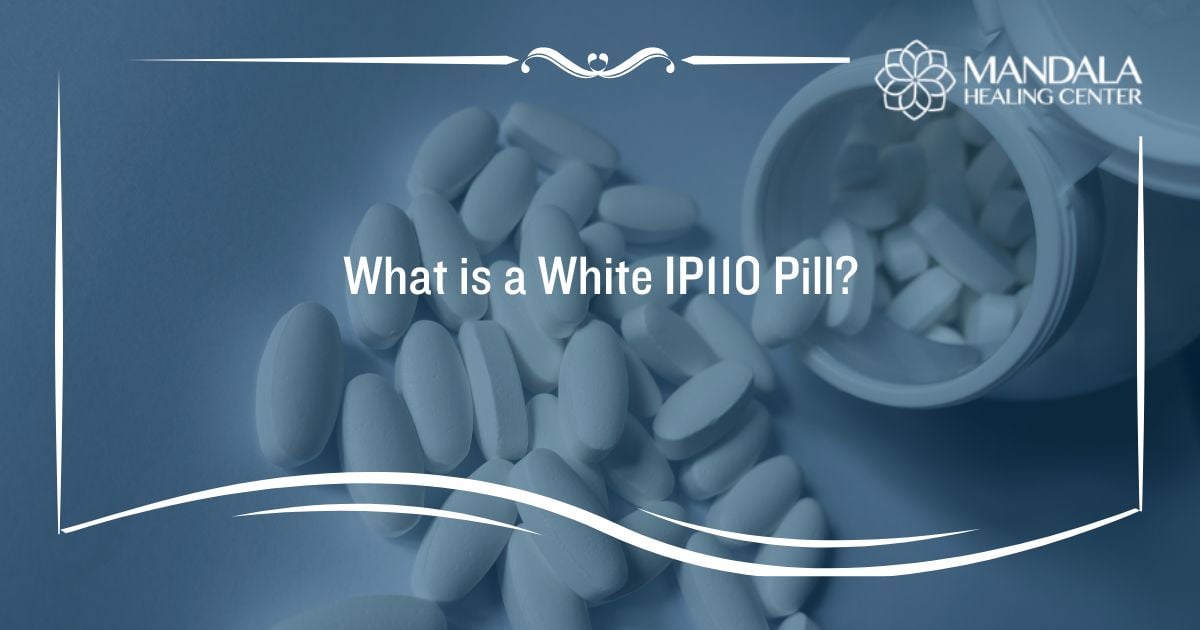
The white IP110 pill is a widely prescribed combination medication used to treat pain, especially moderately severe to severe pain. It contains two active ingredients: hydrocodone bitartrate, a strong opioid painkiller, and acetaminophen, a non opioid pain reliever often found in over-the-counter medications like Tylenol.
Due to its potency and potential for dependence, the white IP110 pill is classified as a Schedule II controlled substance by the Drug Enforcement Administration (DEA).[1] While it can provide effective pain relief, it also comes with serious health risks, including severe liver damage, respiratory depression, and physical and psychological dependence.
In this article, we will explain what the IP110 pill is, how it works, its benefits and risks, and how it fits into the broader landscape of pain management and opioid use disorder in the United States.
What Does the White IP110 Pill Contain?
Each white IP110 pill contains:
- Hydrocodone Bitartrate 10 mg: An opioid medication that binds to opioid receptors in the brain and spinal cord to block pain signals.
- Acetaminophen 325 mg: A non opioid pain reliever that enhances the overall pain-relieving effect of hydrocodone and can also reduce fever.
The combination of these two ingredients makes the IP110 pill a commonly prescribed solution for patients with chronic pain, joint pain, or acute injury-related discomfort.
How the IP110 Pill (Hydrocodone Bitartrate and Acetaminophen) Works
The white IP110 pill targets the central nervous system (CNS). Hydrocodone, as an opioid, interacts with the brain and nervous system to block the perception of pain.[2] Acetaminophen works differently — though it also acts on the CNS, it enhances hydrocodone’s effects and helps lower fever or inflammation.
When used correctly, this combination medication can relieve pain efficiently, especially in patients who do not respond to other pain relievers. However, because of its powerful action on the CNS, the drug can also cause dangerously slow breathing, shallow breathing, and mood disorders in some individuals.
[elementor-template id=”173075″]
Medical Use and Effectiveness of the IP 110 Pill
Hydrocodone-acetaminophen medications like IP110 are typically prescribed for:
- Post-surgical pain management
- Chronic conditions such as arthritis or back pain
- Acute pain from injuries or dental procedures
- Pain from cancer or other long-term illnesses
According to the CDC, over 142 million opioid prescriptions were dispensed in 2020 alone — a number that has declined from previous years but still reflects the ongoing demand for effective pain relief.[3]
Medical professionals generally recommend the white IP110 pill for short-term use due to the risk of developing dependence and opioid addiction.
IP 110 White Pill: Risks and Side Effects
Despite its effectiveness, the IP110 white pill comes with a range of serious risks:
Physical Dependence
Regular use of opioid medications can lead to physical dependence, where the body adapts to the drug and experiences withdrawal symptoms if it’s suddenly stopped. These symptoms can include:[4]
- Muscle aches
- Intense discomfort
- Mood disorders
- Breathing problems
- Gastrointestinal tract distress
If you experience these symptoms, you should reach out to a hydrocodone detox center. These programs can help you overcome your physical dependence safely and comfortably.
Respiratory Depression
Hydrocodone can slow the CNS to the point where breathing becomes dangerously shallow. Slow breathing or respiratory depression is a common cause of opioid overdose.
Severe Liver Damage from Acetaminophen Overdose
The acetaminophen component in IP110 can cause serious liver damage or even failure, especially if taken in higher doses or combined with other medications that contain acetaminophen. The FDA warns that exceeding 4,000 mg of acetaminophen per day can be fatal.[5]
Opioid Use Disorder and Hydrocodone Addiction
The potential for hydrocodone addiction is high. Individuals may find themselves taking more of the drug to achieve the same pain-relieving effect, a phenomenon known as tolerance. Continued misuse can lead to opioid use disorder, a chronic medical condition requiring evidence-based treatment.
Warnings and Interactions
If you are taking the white IP110 pill, you must consult your healthcare provider immediately if you experience:
- Slow or shallow breathing
- Yellowing of the skin or eyes (a sign of liver distress)
- Confusion or extreme drowsiness
- Signs of an opioid overdose, including unconsciousness or inability to wake up
The risk of serious liver damage and overdose increases when the pill is taken with alcohol or multiple medications, especially those also metabolized by the liver.
It’s also important to inform your doctor if you’re using over-the-counter medications, such as cold and flu treatments, as many also contain acetaminophen.
Alternatives to the White IP110 Pill
While the IP110 white pill is a commonly prescribed option for pain, it’s not the only one. Medical professionals may consider other pain relievers, including:
- Nonsteroidal anti-inflammatory drugs (NSAIDs) like ibuprofen
- Non opioid pain relievers
- Topical treatments for joint or muscle pain
- Physical therapy and psychological interventions
- Medication-assisted treatment (MAT) for those with pill addiction or at risk of opioid addiction
For patients with a history of substance abuse, chronic pain, or those undergoing substance abuse recovery, these alternatives may help control pain without the same risks associated with opioids.
Opioids and the Nervous System
Understanding how opioids affect the nervous system is key to understanding both their benefit and dangers.
The brain and spinal cord form the central hub of how we feel and respond to pain. When hydrocodone binds to opioid receptors in the brain, it alters how the nervous system responds to pain signals.
However, this interference also suppresses essential CNS functions — such as breathing and alertness — making opioids like hydrocodone both powerful and dangerous.
Managing Withdrawal and Dependence
If you or someone you know is struggling with opioid use disorder after taking the IP110 pill, help is available.
Symptoms of withdrawal from opioids include:[4]
- Muscle aches
- Shaking
- Anxiety
- Sweating
- Insomnia
- Cravings
Managing withdrawal symptoms typically involves medication-assisted treatment (MAT), behavioral therapy, and support groups. Medications like buprenorphine or methadone can ease withdrawal and reduce the risk of relapse, supporting a drug-free life.
The Role of Healthcare Providers
Only a qualified healthcare provider can determine whether the white IP110 pill is appropriate for your treatment plan. Always discuss your full medical history, including:
- Other prescription medications
- Use of over-the-counter or herbal supplements
- History of substance abuse
- Any signs of mood disorders or mental health issues
If you’re taking the IP110 pill and experience side effects, your doctor may adjust the dose, switch to other pain relievers, or recommend non-drug therapies to manage pain.
Get Connected to Hydrocodone Addiction Treatment
The white IP110 pill — combining hydrocodone bitartrate and acetaminophen — is a potent tool in the arsenal of pain management, especially for those experiencing moderately severe pain or chronic conditions. However, it carries the same risks as many opioid medications: dependence, overdose, and organ damage.
Used responsibly and under the guidance of medical professionals, the IP110 pill can offer effective pain relief. But for those at risk of substance abuse, or for whom pain persists beyond short-term use, alternative treatments may provide safer long-term solutions.
If you or a loved one developed an addiction to hydrocodone after taking the IP110 pill, it’s time to seek professional help. At the Mandala Healing Center, we offer evidence-based addiction treatment to ensure you receive the tools you need to recover. Contact us today for more information on how we can help you.
Frequently Asked Questions (FAQ)
1. How long does the white IP110 pill stay in your system?
Hydrocodone, the opioid in the IP110 pill, has a half-life of about 3.8 hours, but it can be detected in urine for up to 3–4 days, in blood for up to 24 hours, and in hair for up to 90 days after the last dose. Acetaminophen is typically cleared more quickly, usually within 24 hours. However, individual metabolism, liver function, and dosage all affect how long the drug remains in your system.
2. Can you drive or operate machinery while taking IP110?
No. Hydrocodone can cause drowsiness, dizziness, and slowed reaction times, which can impair your ability to drive or operate heavy machinery. You should avoid these activities until you know how the medication affects you and only proceed under a healthcare provider’s advice.
3. Is the IP110 pill safe during pregnancy or breastfeeding?
The use of hydrocodone-acetaminophen during pregnancy may increase the risk of neonatal opioid withdrawal syndrome and potential birth defects. During breastfeeding, small amounts can pass into breast milk and may cause respiratory issues or excessive drowsiness in the infant. Always consult with your doctor before using this medication if you are pregnant or nursing.
4. What should I do if I miss a dose of IP110?
If you miss a dose and are taking the medication on a regular schedule, take it as soon as you remember. If it’s close to the time of your next dose, skip the missed dose — never double up. Taking doses too close together increases the risk of overdose, especially with the acetaminophen component.
5. Can IP110 be cut or crushed to take a smaller dose?
No. Crushing, chewing, or splitting the tablet can alter how the medication is absorbed and may result in too much hydrocodone being released at once, increasing the risk of overdose. Only a healthcare provider can safely adjust your dosage or recommend alternatives.
6. Are there natural or non-drug alternatives for managing pain if I want to avoid opioids?
Yes. Depending on the condition, options like physical therapy, acupuncture, nerve stimulation therapies, cognitive behavioral therapy (CBT), and anti-inflammatory diets can be part of a comprehensive evidence-based treatment plan. These alternatives may help reduce reliance on opioids, especially in cases of chronic or joint pain.
References:
- The Drug Enforcement Administration (DEA): Drug Scheduling
- The National Library of Medicine (NLM): Hydrocodone
- The Centers for Disease Control and Prevention (CDC): Opioid Dispensing Rate Maps
- Medline Plus: Opiate and opioid withdrawal
- Harvard Health Publishing: Acetaminophen safety: Be cautious but not afraid

-

How Long Does Buprenorphine Stay in Your System?
May 19, 2026
-
How Much Does a Detox Program in West Palm Beach Cost?
April 28, 2026
-
How Long Do South Florida Rehab Programs Typically Last?
April 21, 2026
-
What Does Freebasing Mean?
April 13, 2026
-
How to Get Florida Medicaid to Pay for Drug & Alcohol Rehab Services
April 10, 2026